Banner
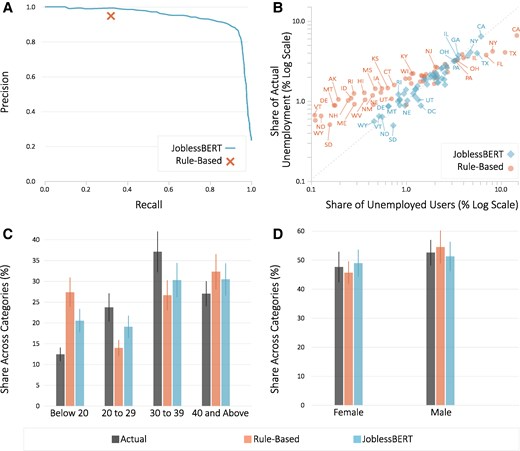
Social Media Is A Faster Source For Unemployment Data Than Government

Government unemployment data today are what Nielsen TV ratings were decades ago - a flawed metric...
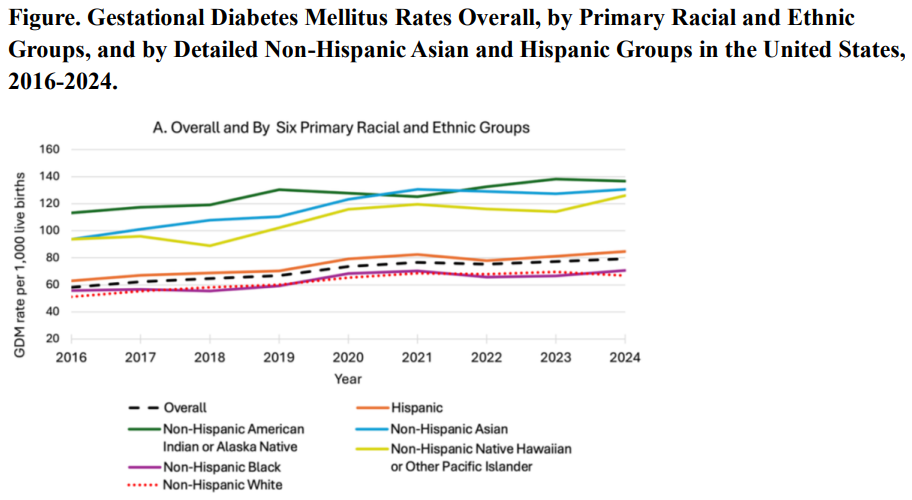
Gestational Diabetes Up 36% In The Last Decade - But Black Women Are Healthiest

Gestational diabetes, a form of glucose intolerance during pregnancy, occurs primarily in women...
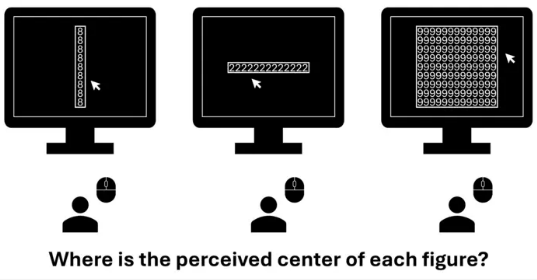
Object-Based Processing: Numbers Confuse How We Perceive Spaces

Researchers recently studied the relationship between numerical information in our vision, and...

Males Are Genetically Wired To Beg Females For Food

Bees have the reputation of being incredibly organized and spending their days making sure our...

User picture.
News StaffRSS Feed of this column.

News Releases From All Over The World, Right To You... Read More »

Blogroll

Why men have more heart disease than premenopausal women has been unclear, but a new study shows that the sex hormones testosterone and estrogen alter cardiovascular risk factors in a way that raises a man's risk of heart disease. Results of the study will be presented Saturday at the Endocrine Society's 97th annual meeting in San Diego.

Men have higher testosterone and lower estrogen levels than premenopausal women. Therefore, doctors have suspected that testosterone may promote cardiovascular disease or that estrogen may protect against it, or both, according to Elaine Yu, MD, MSc, the study's lead investigator and an assistant professor at Harvard Medical School, Boston.

A new study has found that high levels of blood lipids such as cholesterol and triglycerides can keep Vitamin E, an essential micronutrient, tied up in the blood stream, and prevent vitamin E from reaching the tissues that need it. That means measuring only blood levels may offer a distorted picture of whether or not a person has adequate amounts of the vitamin, and that past methods of estimating tissue levels are flawed.

A team of researchers can detect how taste is encoded in patterns of neural activity in the human brain.

That means they can basically read your mind when it comes to food.

Tastants in the mouth activate specific receptors on the tongue corresponding to each of the basic tastes: sweet, salty, sour, bitter, and savory (umami). The signal is then transduced further to the brain. How the peripheral signal is used by the central nervous system to encode taste quality is largely unknown.

An important food resource has been disappearing from streams without anyone noticing until now.

In a new study published March 6 in the journal Science, a team of researchers led by University of Georgia ecologists reports that nutrient pollution causes a significant loss of forest-derived carbon from stream ecosystems, reducing the ability of streams to support aquatic life.

The findings show that the in-stream residence time of carbon from leaves, twigs and other forest matter, which provide much of the energy that fuels stream food webs, is cut in half when moderate amounts of nitrogen and phosphorus are added to a stream.

We have tens or hundreds of active 'foreign' genes, according to a new paper, and that may merit a rethink of how we discuss evolution, say the authors.

The composition of intestinal bacteria and other micro-organisms--called the gut microbiota--changes over time in unhealthy ways in black men who are prediabetic, a new study finds. The results will be presented Friday at the Endocrine Society's 97th annual meeting in San Diego.