Older people who eat large amounts of meat have a lower risk of dementia and cognitive decline than they should have with a gene that some link to increased risk.
The gene that has been linked to increased risk is Apolipoprotein E, which plays a role in the transport of cholesterol and fats in the brain and blood. The gene exists in three main variants: epsilon 2, 3 and 4. Since each person inherits two APOE genes, one from each parent, giving six possible genotypes): 2/2, 2/3, 2/4, 3/3, 3/4 and 4/4. In Sweden, where the study was done, approximately 30 per cent of the population are carriers of the gene combinations APOE 3/4 or APOE 4/4.
A new DNA analysis reveals that long before the Incan Empire took over Peru, animals were being transported across the Andes, a trek that also involved rainforests, highlands and deserts.
The analysis was of parrot feathers discovered at Pachacamac, Peru, a religious hub that is far outside the birds’ native rainforest range. The burial feather assemblage included the Scarlet Macaw, Blue-and-yellow Macaw, Red-and-green Macaw and Mealy Amazon. DNA sequencing, isotope chemistry and computational landscape modeling says the western side of the Andes was just as inhospitable to these species one thousand years ago as it is today.
The common imagery of prehistoric people is either rooting through dirt for grubs and picking berries, or hunting mastodons with spears. Those are both true but some also had a good variety in meals. They were also fishers, not just hunter-gatherers.
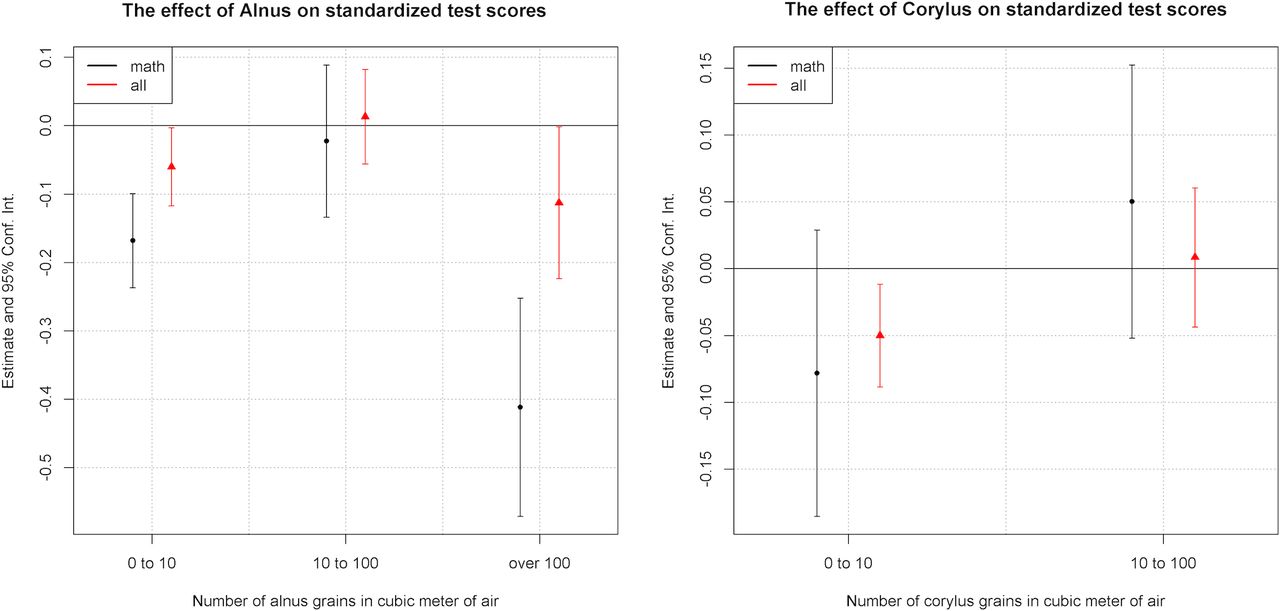
Epidemiologists say that pollen can cause worse outcomes for students in math, chemistry and physics.
Allergic rhinitis, an allergic reaction to things such as dust, pet hair, and pollen, is common. Epidemiologists link that to cardiovascular health and even blanket terms like wellness. There is no question people with allergies suffer, especially during peak pollen production, but a new paper says allergy sufferers may be less likely to be good at math and science, and pollen could be why.
COVID-19 lockdowns were an important tool in mitigating risks of acquiring the disease and putting those with comorbidities at higher risk, but objective epidemiologists questioned the value of lockdowns beyond three weeks. Some areas exceeded SAR and R0 models by months or, in states like California, years.
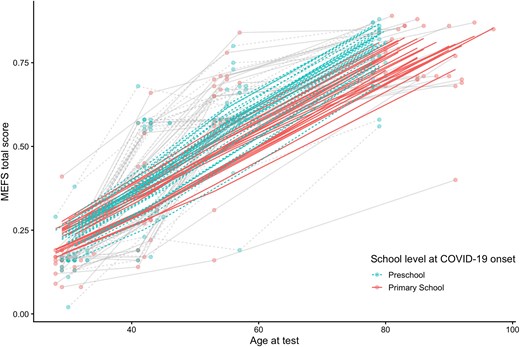
The value of public education over home-schooling or private has been touted by proponents as social adjustment, so there was also concern about how children might be stunted by not having access to anything except close family and device screens.
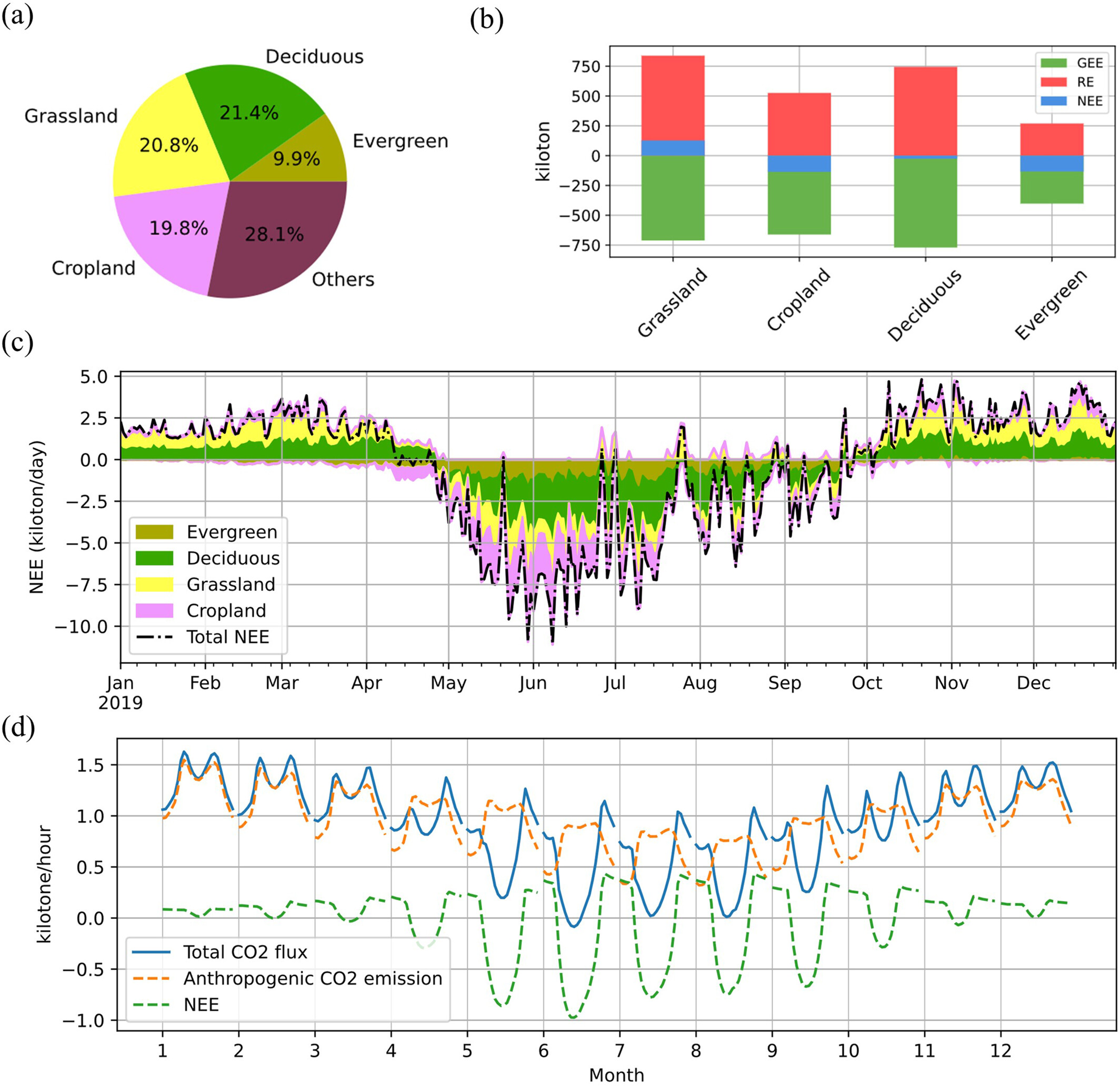
A new study finds that even in urban environments, trees make a terrific contribution to offsetting carbon dioxide emissions in cities, while grass is less valuable.
Soil respiration of grass exceeds photosynthesis so grassy areas release more carbon dioxide than they bind, making them a source of CO2 rather than mitigation, whereas on summer days, tree absorption can cover the emissions from Munich's urban car traffic and even exceed them at times.


 Why Antarctic Sea Ice Stopped Growing In 2015
 Wealth Correlated To Loneliness
 Ousiometrics Analysis Says All Human Language Is Biased
  Wavelengths Of Light Are Why CO2 Cools The Upper Atmosphere But Warms Earth