Banner
Why Antarctic Sea Ice Stopped Growing In 2015

Though numerical models and popular films like An Inconvenient Truth projected Arctic ice...

Wealth Correlated To Loneliness

You may have read that Asian cultures respect the elderly more than Europe but Asian senior citizens...

Ousiometrics Analysis Says All Human Language Is Biased

A new tool drawing on billions of uses of more than 20,000 words and diverse real-world texts claims...

Wavelengths Of Light Are Why CO2 Cools The Upper Atmosphere But Warms Earth

There are concerns about projected warming on the Earth’s surface and in the lower atmosphere...

User picture.
News StaffRSS Feed of this column.

News Releases From All Over The World, Right To You... Read More »

Blogroll

A new epidemiology paper correlates a 5 percent increase of a person's total energy intake provided by sweet drinks each day with an 18 percent greater risk of developing type 2 diabetes may increase by 18%.

The authors estimate that replacing the daily consumption of one serving of a sugary drink with either water or unsweetened tea or coffee can lower the risk of developing diabetes by between 14% and 25%.

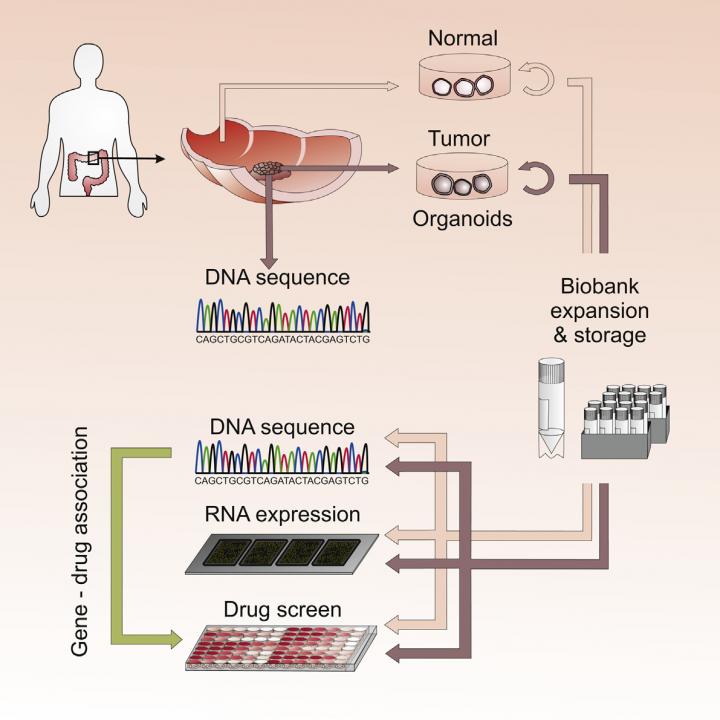
"Organoids", a futuristic-sounding term for three-dimensional cultures derived from tumors of cancer patients, closely replicate key properties of the original tumors - so close that these "organoid" cultures could be used for large-scale drug screens for the detection of genetic changes associated with drug sensitivity and pave the way for personalized treatment approaches. 

Urinary tract infections are common and wide-spread antibiotic resistance has led to calls for new ways to combat these infections. A recent paper details  an experimental drug that stabilizes the human immune defense protein HIF-1α can protect human bladder cells and mice against a major UTI pathogen, and it might provide a therapeutic alternative or complement to antibiotic treatment.

Health interventions to increase exercise in older people are making senior citizens a giant class in a way we don't do with other demographics - in the modern world there is a big difference between someone 65 and someone 80, it is not simply 15 years, but advertising treats everyone with gray hair the same, yet don't do it with Generation X and Millennials.

A research team writes in Cell Metabolism that they have uncovered a clue to how bacteria may promote some colon cancers.

The work used metabolomic technologies to find molecular evidence suggesting a vicious circle in which cancerous changes in colon cells promote the growth of bacterial conglomerations called biofilms, and biofilms in turn promote cancer development. 

On the whole, the findings suggest that removing bacterial biofilms could be a key strategy for preventing and treating colon cancers, which currently kill about 50,000 Americans per year. The study also revealed an apparent metabolic marker of biofilm-associated colon cancers.

The Andromeda galaxy is our nearest galactic neighbor in space. Though it is 2.5 million light-years away, its spiral of over 100 billion stars makes it visible as a cigar-shaped smudge of light high in the autumn sky.

But there is also something that takes Hubble to notice - a huge bubble of hot, diffuse plasma surrounding it. If we could see that gargantuan halo from Earth, it would appear to be 100 times the angular diameter of the full Moon. 

The gargantuan halo can be thought of as the "atmosphere" of a galaxy and is estimated to contain half the mass of the stars in the Andromeda galaxy itself. Astronomers were able to identify the halo by measuring how it filtered the light of distant bright background objects called quasars.