Banner
Why Antarctic Sea Ice Stopped Growing In 2015

Though numerical models and popular films like An Inconvenient Truth projected Arctic ice...

Wealth Correlated To Loneliness

You may have read that Asian cultures respect the elderly more than Europe but Asian senior citizens...
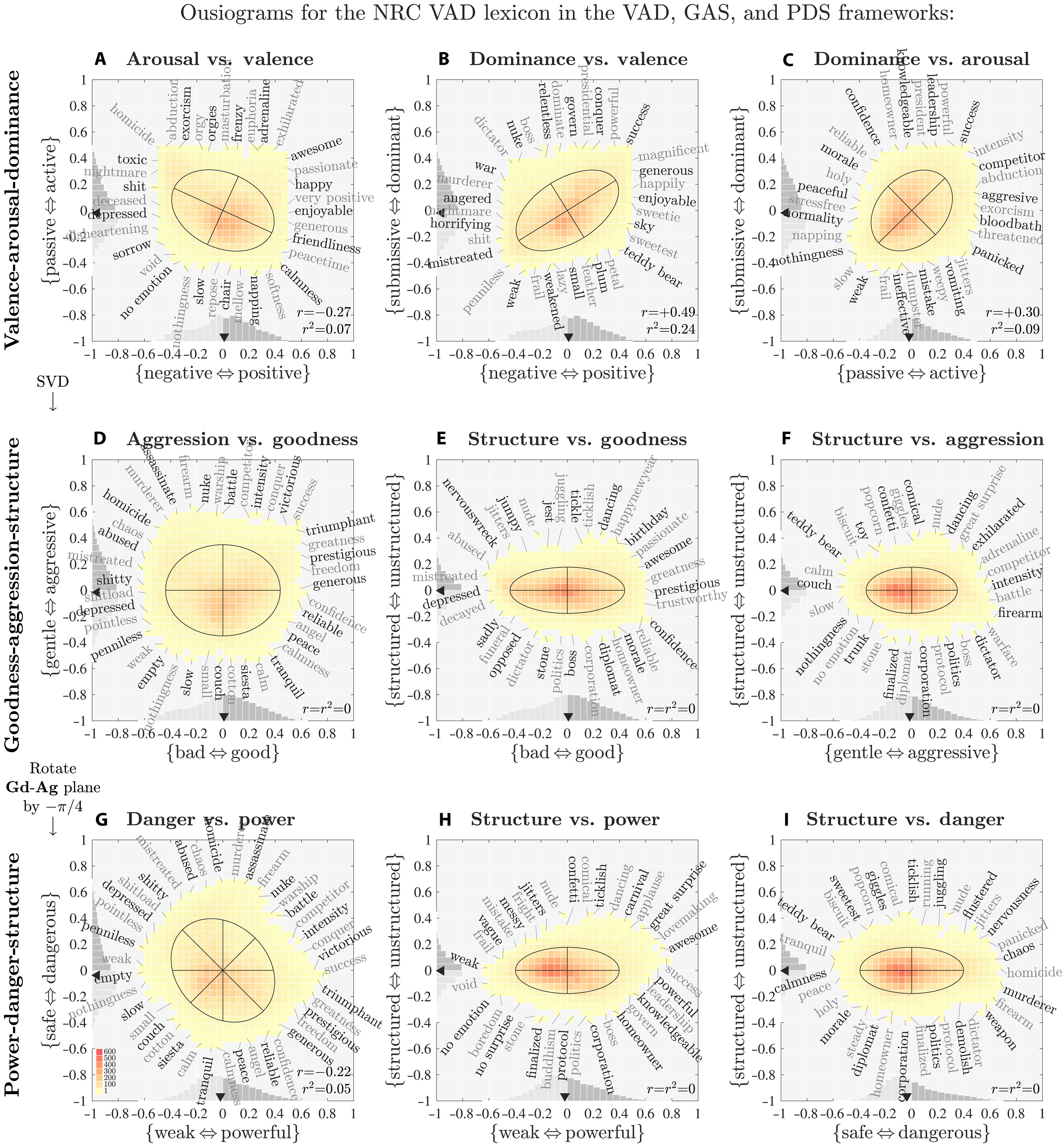
Ousiometrics Analysis Says All Human Language Is Biased

A new tool drawing on billions of uses of more than 20,000 words and diverse real-world texts claims...
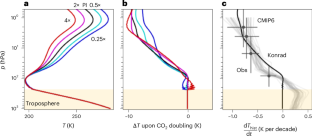
Wavelengths Of Light Are Why CO2 Cools The Upper Atmosphere But Warms Earth

There are concerns about projected warming on the Earth’s surface and in the lower atmosphere...

User picture.
News StaffRSS Feed of this column.

News Releases From All Over The World, Right To You... Read More »

Blogroll
Epilepsy is a neurological disorder that affects approximately two percent of the population.

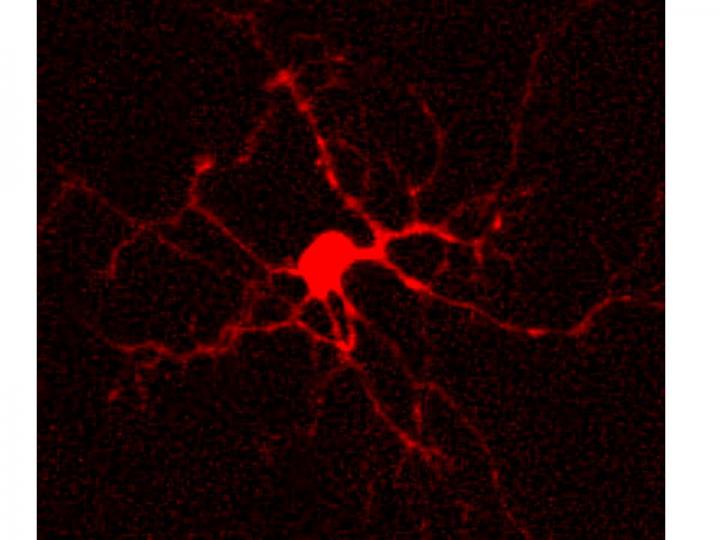
Despite extensive research and breakthroughs, one-third of patients are resistant to currently available therapies. A team of researchers as discovered a new cause to explain the development of temporal lobe epilepsy and may lead to future treatments: At an early stage, astrocytes are uncoupled from each other. 

This results in the extracellular accumulation of potassium ions and neurotransmitters, which cause hyperexcitability of the neurons.

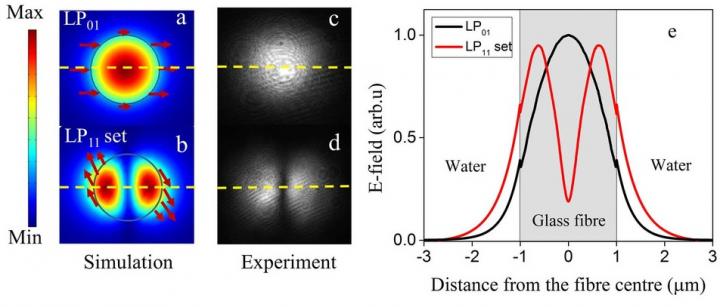
 Most people don't realize that light can take different shapes. In the fundamental mode, light energy is most intense at the center and gradually fades towards the edge of the beam.

Light also has higher order modes. For example, the energy pattern can look like a donut, with most of the energy contained in a ring, and none in the hole or middle. Scientists create higher order modes by shining light through crystals and in recent years passing light along optical microfibers or nanofibers to manipulate particles has gained popularity in research labs because it could some day have applications in physics and biology. 
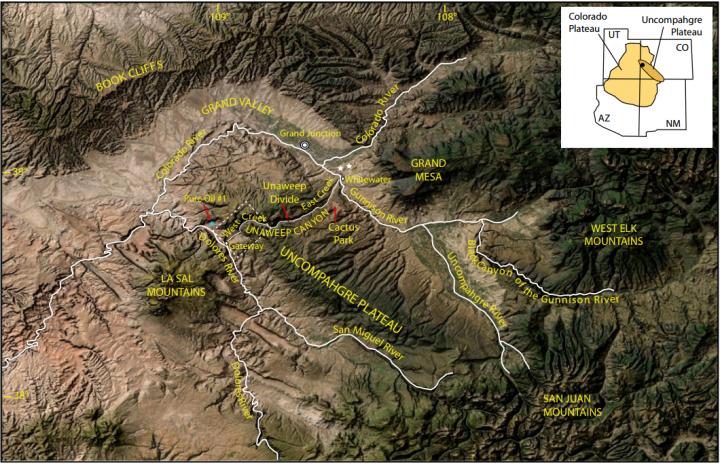
One canyon on Earth has two mouths - but that is not the only mystery.

First formally documented by western explorers mapping the Colorado Territory in the 1800s, Unaweep Canyon is a puzzling landscape and so it has inspired numerous scientific hypotheses for its origin. A new paper published in Geosphere by Gerilyn S. Soreghan and colleagues brings together old and new geologic data of this region to further the hypothesis that Unaweep Canyon was formed in multiple stages.
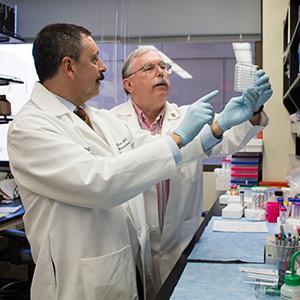
80 percent of patients survive when kidney cancer is detected early - but it is often not easy. However, finding it early has been among the disease's greatest challenges.

Kidney cancer is the seventh most common cancer in men and the 10th most common in women, affecting about 65,000 people each year in the United States. About 14,000 patients die of the disease annually. Like most cancers, kidney tumors are easier to treat when diagnosed early. But symptoms of the disease, such as blood in the urine and abdominal pain, often don't develop until later, making early diagnosis difficult. 

Citizen science botanists in the Western Cape Province of South Africa have discovered two new species of beautiful blue-flowered legumes.

Few people take the chance to tramp the empty rolling ranges of mountains and the fragmented and jagged coastline of the Southern Cape in South Africa. Most avoid it because of how wild and tough-going it can be. This region is part of a unique and species rich global flora called the Cape Floral Kingdom. Yet there are a band of intrepid walkers and climbers who traverse these areas every week searching for rare and endangered plants.

Cancer cells crowded tightly together suddenly surrender their desire to spread, and this change of heart is related to a cellular pathway that controls organ size. These two stunning observations are reported today by researchers at Georgetown Lombardi Comprehensive Cancer Center in the journal Oncogene.