Banner
Why Antarctic Sea Ice Stopped Growing In 2015

Though numerical models and popular films like An Inconvenient Truth projected Arctic ice...

Wealth Correlated To Loneliness

You may have read that Asian cultures respect the elderly more than Europe but Asian senior citizens...

Ousiometrics Analysis Says All Human Language Is Biased

A new tool drawing on billions of uses of more than 20,000 words and diverse real-world texts claims...

Wavelengths Of Light Are Why CO2 Cools The Upper Atmosphere But Warms Earth

There are concerns about projected warming on the Earth’s surface and in the lower atmosphere...

User picture.
News StaffRSS Feed of this column.

News Releases From All Over The World, Right To You... Read More »

Blogroll

Tumors acquiring resistance is one of the major barriers to successful cancer therapy. Feng Fu, Sebastian Bonhoeffer (ETH Zurich) and their collaborator Martin Nowak (Harvard) use mathematical models to characterize how important aspects of tumor microenvironment can impair the efficacy of targeted cancer therapies.

Failure of cancer therapy is commonly attributed to pre-existing resistant mutants already present prior to treatment. However, the research publishing this week in PLOS Computational Biology highlights the important role of tumor sanctuaries in the rapid acquisition of resistance.

Scientists at Albert Einstein College of Medicine of Yeshiva University and their international collaborators have developed a novel fluorescence microscopy technique that for the first time shows where and when proteins are produced. The technique allows researchers to directly observe individual messenger RNA molecules (mRNAs) as they are translated into proteins in living cells.

The technique, carried out in living human cells and fruit flies, should help reveal how irregularities in protein synthesis contribute to developmental abnormalities and human disease processes including those involved in Alzheimer's disease and other memory-related disorders.

ESA’s Rosetta spacecraft has made the first measurement of molecular nitrogen at a comet,  Comet 67P/Churyumov–Gerasimenko,  providing clues about the temperature environment in which it formed. 

A means by which the removal of carbon dioxide (CO2) from coal-fired power plants might one day be done far more efficiently and at far lower costs than today has been discovered by a team of researchers with the U.S. Department of Energy (DOE)'s Lawrence Berkeley National Laboratory (Berkeley Lab). By appending a diamine molecule to the sponge-like solid materials known as metal-organic-frameworks (MOFs), the researchers were able to more than triple the CO2-scrubbing capacity of the MOFs, while significantly reducing parasitic energy.

Among approximately 19,000 individuals, the use of aspirin and nonsteroidal anti-inflammatory drugs (NSAIDs) was associated with an overall lower risk of colorectal cancer, although this association differed according to certain genetic variations, according to a study in the March 17 issue of JAMA.

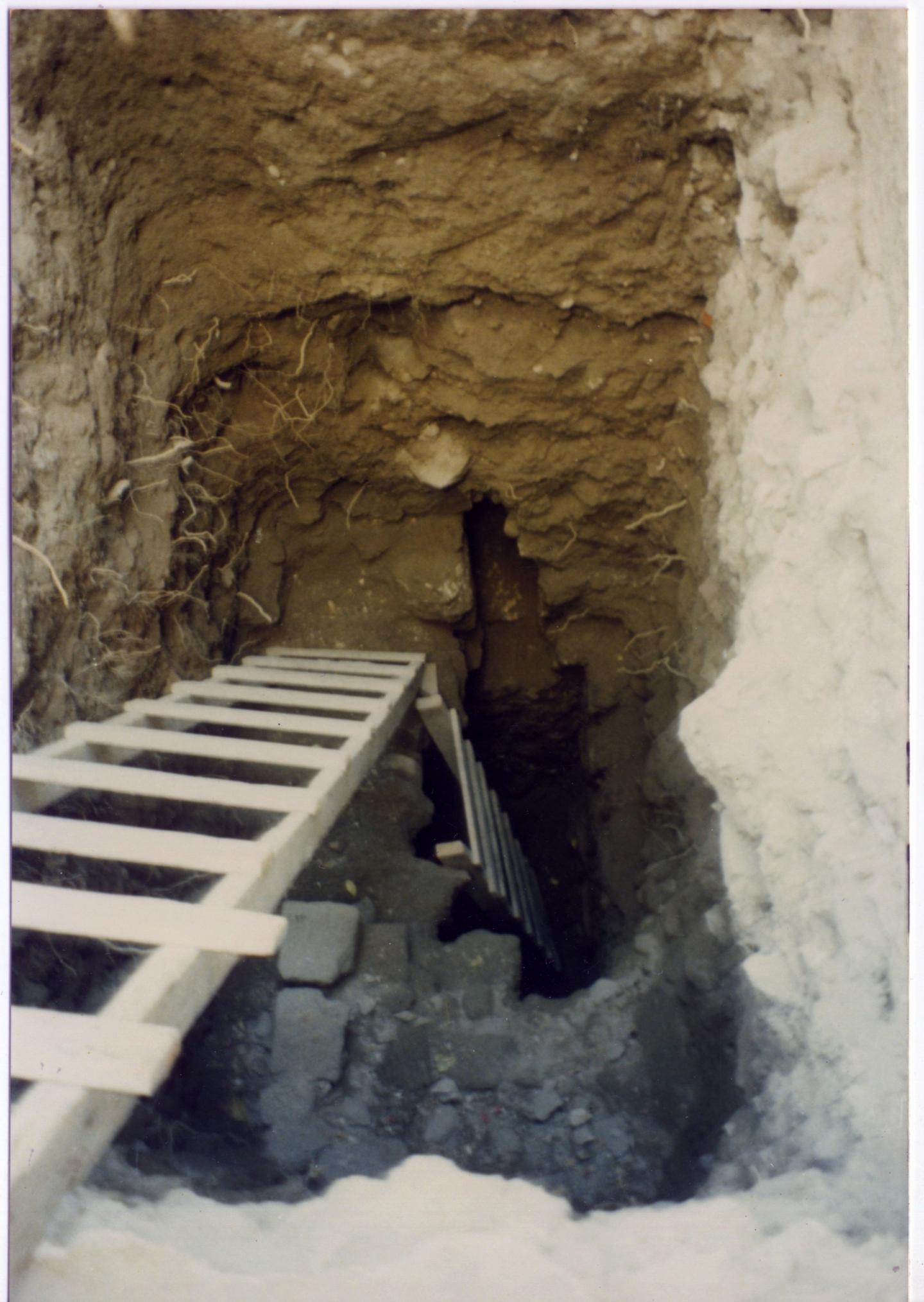
A medieval cesspit in the old city of Jerusalem has revealed the presence of a number of ancient parasite eggs, which gives researchers a glimpse into the nature and spread of infectious diseases in the Middle East during the 15th century. 

Scientists found evidence of six species of intestinal parasites in the 500-year-old latrine, which included large quantities of roundworm and whipworm, both spread by fecal contamination of food and probably endemic to the region dating back to human evolution out of Africa. Two of the parasites detected, Entamoeba dysentery and fish tapeworm, were common in northern Europe in the medieval period, but either very rare or almost completely absent among the populations of the medieval Middle East.