A survey on the experience of auditory hallucinations, commonly referred to as hearing voices, found that the majority of voice-hearers hear multiple voices with distinct character-like qualities, with many also experiencing physical effects on their bodies.
In other words,voices in people's heads may be more varied and complex than previously thought. Or they are so subjective as to defy science.
Auditory hallucinations are a common feature of many psychiatric disorders, such as psychosis, schizophrenia and bipolar disorder, but are sometimes experienced by people without a diagnosed psychiatric condition. It is estimated by social scientists that five percent of adults may experience auditory hallucinations during their lifetimes.
Ritalin, Adderall and their ilk are Schedule II controlled substances - the same as cocaine and methamphetamine - but they are widely available on college campuses, thanks to the ADHD diagnosis craze that made prescriptions easy to get and prevalent starting in the 1990s.
As a result, a lot of students are abusing the drugs. How many? 17 percent of all college students, according to a recent literature review.
It's that time of year - the NCAA tournament, called "March Madness", when office pools all across the United States have people researching teams and reading predictions to try and optimize their chances of winning money by predicting basketball games.
They are, sadly, doomed to fail.
Last year, Warren Buffett offered $1 billion for a perfect winning bracket, but the highest scoring bracket among ESPN.com subscribers was still 18 games off - and those people pay to know sports.
More and more animal shelters and zoos have begun playing human music, the kind of fad that people who anthropomorphize animal behavior say works even though there is no evidence.
Now a new study by animal behaviorists has gone beyond that and says while they don't think human music works, music created especially for animals does.
Finally, programming for cats is not just in movies.
Rosacea is estimated to affect up to 16 million people in the United States alone, with symptoms typically including redness, visible blood vessels, and pimple-like sores on the skin of the central face.
Because rosacea affects facial appearance, it can also have a psychological impact on those who suffer from it, according to surveys by the National Rosacea Society.
A new injectable polymer
called PolySTAT
strengthens blood clots and that means that soldiers who might otherwise die from uncontrolled bleeding before reaching a surgical hospital could be saved. Likewise for civilian traumas.
A tourniquet won't stop bleeding from a chest wound, and clotting treatments that require refrigerated or frozen blood products aren't always available in the field.


 Why Antarctic Sea Ice Stopped Growing In 2015
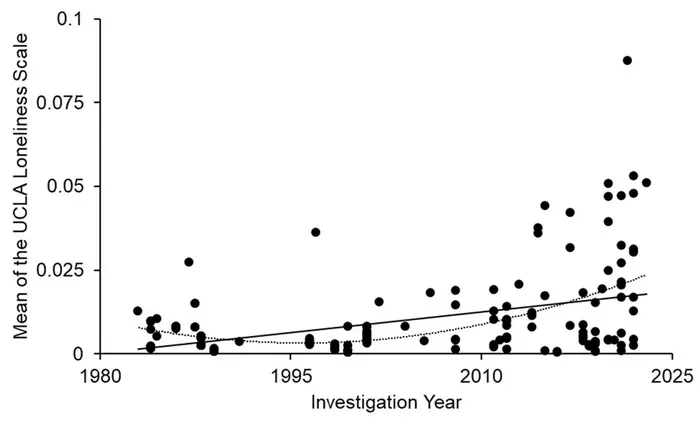 Wealth Correlated To Loneliness
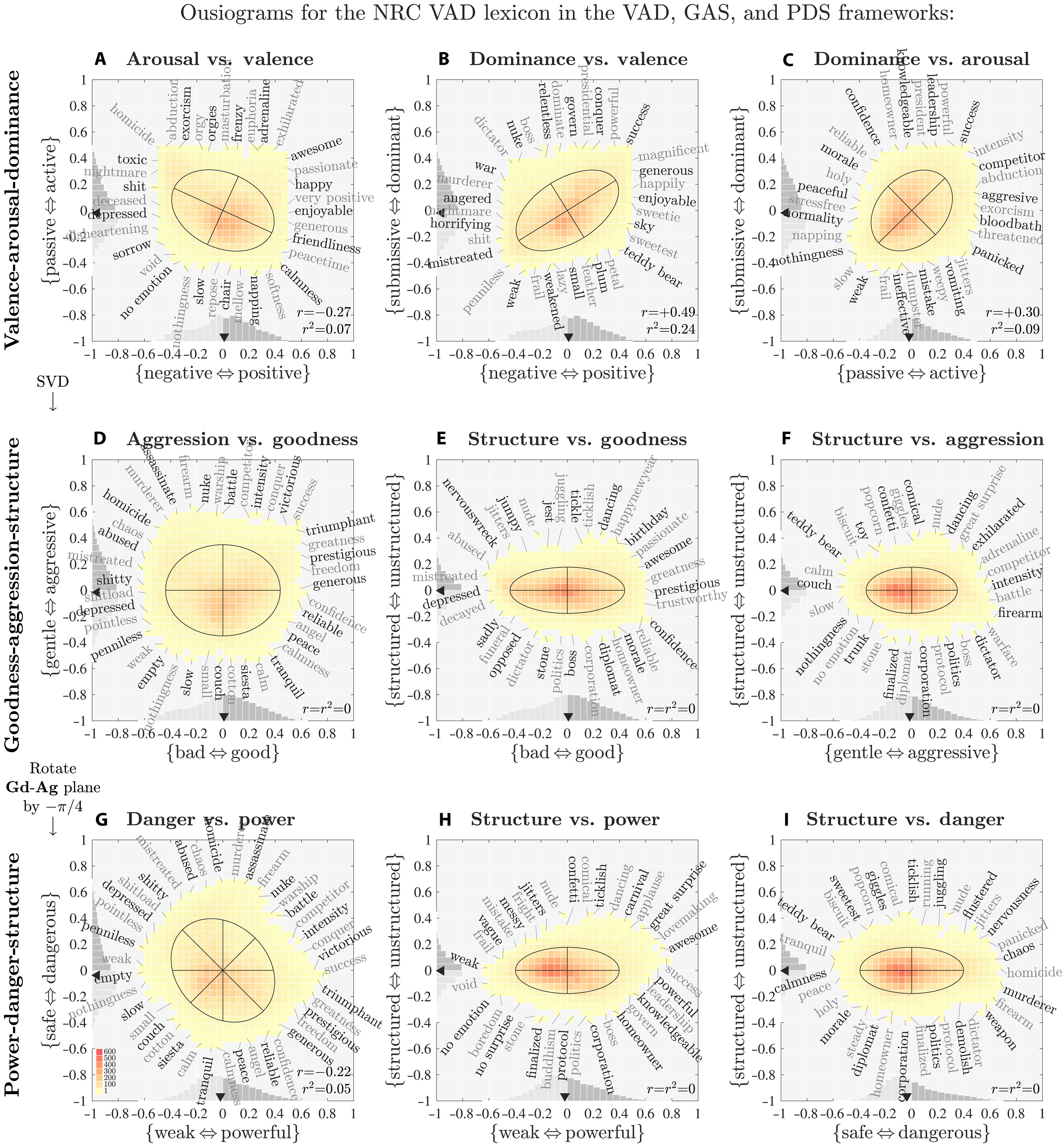 Ousiometrics Analysis Says All Human Language Is Biased
 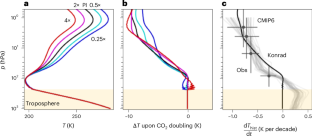 Wavelengths Of Light Are Why CO2 Cools The Upper Atmosphere But Warms Earth