Banner
Why Antarctic Sea Ice Stopped Growing In 2015

Though numerical models and popular films like An Inconvenient Truth projected Arctic ice...
Wealth Correlated To Loneliness

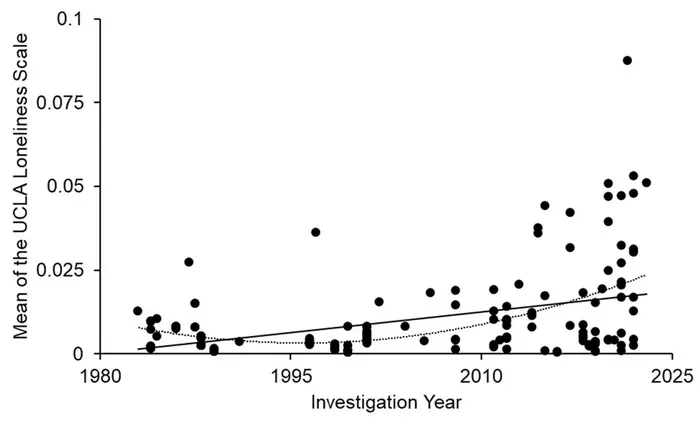
You may have read that Asian cultures respect the elderly more than Europe but Asian senior citizens...

Ousiometrics Analysis Says All Human Language Is Biased

A new tool drawing on billions of uses of more than 20,000 words and diverse real-world texts claims...

Wavelengths Of Light Are Why CO2 Cools The Upper Atmosphere But Warms Earth

There are concerns about projected warming on the Earth’s surface and in the lower atmosphere...

User picture.
News StaffRSS Feed of this column.

News Releases From All Over The World, Right To You... Read More »

Blogroll

The world's national parks and nature reserves receive around eight billion visits every year, according to the first study into the global scale of nature-based tourism in protected areas. The paper, by researchers in Cambridge, UK, Princeton, New Jersey, and Washington, DC, published in the open access journal PLOS Biology, is the first global-scale attempt to answer the question of how many visits protected areas receive, and what they might be worth in terms of tourist dollars.

The authors of the study say that this number of visits could generate as much as US$600 billion of tourism expenditure annually - a huge economic benefit which vastly exceeds the less than US$10 billion spent safeguarding these sites each year.

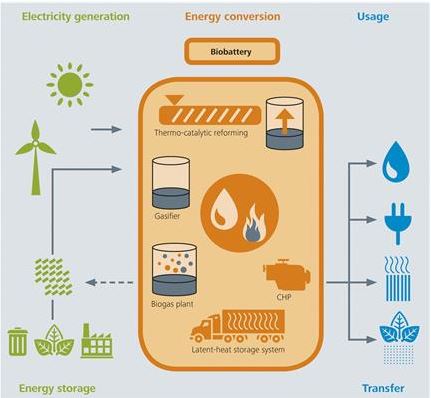
Sewage sludge, green waste, even animal excrement can be utilized for energy recovery with  the biobattery modular concept. 

Biogas plants are an important element for decentralized energy supply. They produce electricity from renewable resources and can compensate for highly fluctuating wind and solar energy. There are already 8,000 plants in operation in Germany with an electrical output of 3.75 gigawatts in total, that is the equivalent to roughly three nuclear power plants. However, the plants have several disadvantages too: they only process a limited range of organic substances and are in competition with the cultivation of food plants.

There is microbiology and then there is micro-micro-microbiology.

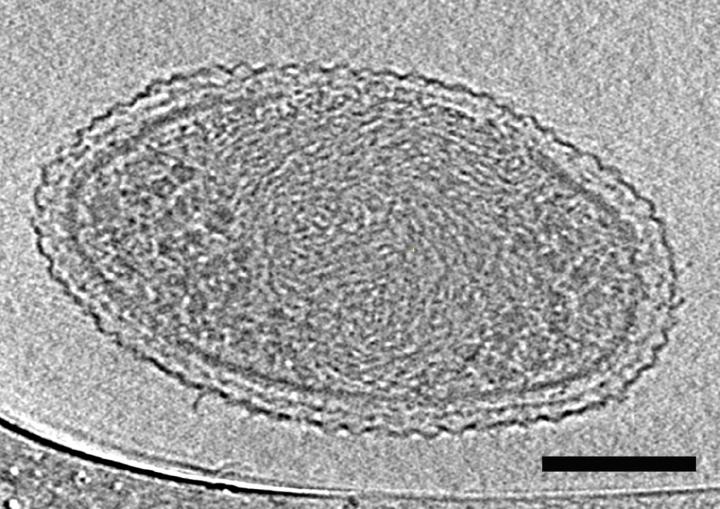
The existence of ultra-small bacteria has been debated for decades, but now there is comprehensive electron microscopy and DNA-based evidence of the elusive microbes that are about as small as life can get. 

The cells have an average volume of 0.009 cubic microns (a micron is one millionth of a meter). About 150 of these bacteria could fit inside an Escherichia coli cell and more than 150,000 cells could fit onto the tip of a human hair. 
The Intrexon synthetic biology company announced today that it is acquiring Okanagan Specialty Fruits, the science start-up behind the non-browning Arctic apple, for $31 million in Intrexon common stock and $10 million in cash.
New transcriptome data for underutilized legumes means underappreciated crops could soon become valuable tools in agriculture.

Thousands of species belong to the legume family, the Fabaceae, yet only a few of them are used in mainstream agriculture. Dozens more are underutilized. Unlike soybean, peanut, chickpea, and other chart toppers, the underutilized species can grow in areas of very poor soil with limited water availability. This is because they are equipped with unique variations in plant growth genes that have been lost from mainstream crops through years of breeding.
A new type of methane-based, oxygen-free life form can metabolize and reproduce similar to life on Earth.

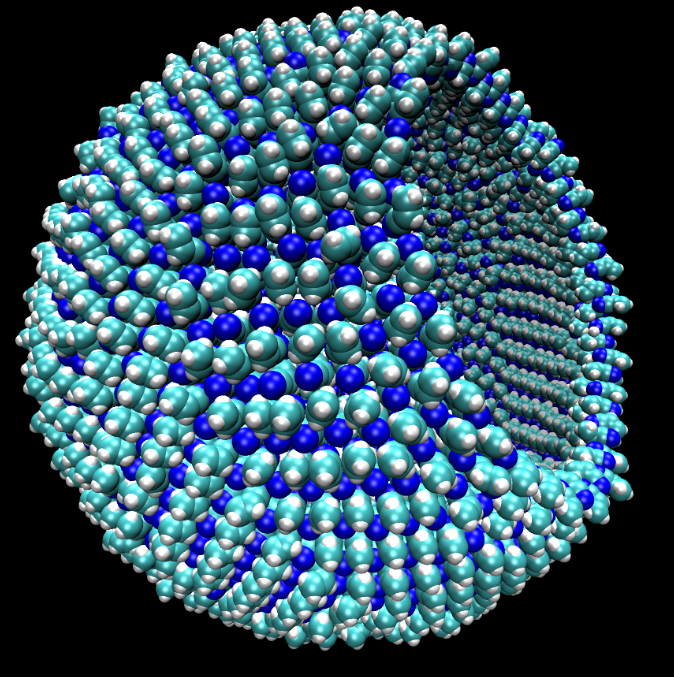
This hypothetical cell membrane, modeled by a team of researchers, is composed of small organic nitrogen compounds and capable of functioning in liquid methane temperatures of 292 degrees below zero - necessary for a harsh, cold world - specifically Titan, the giant moon of Saturn, a planetary body awash with seas not of water, but of liquid methane, Titan could harbor methane-based, oxygen-free cells.