Mitochondria, the energy power plants inside our cells, are able to oxidize the food we eat to create a universal energy currency for all our currency. These intracellular organelles possess their own DNA, and proteins derived from their genetic instructions are produced according to a specific process which is not well known.
What is well-known is that misregulation of this process can cause mitochondrial diseases in humans. A team led by Jean-Claude Martinou, professor at the Faculty of Science of the University of Geneva (UNIGE), has discovered a new component of the process which was unknown in mammals. It relates to the biogenesis of ND6, a protein essential for mitochondrial activity and provides insight into the general process of mitochondrial RNA maturation.
Genetically modified crops have long drawn fire from environmentalists, who worry that there could be contamination of organic food or creation of FrankenWeeds. Properly used, there is no chance of that, the only thing that can happen is trace material.
Still, they have worries and science may have an answer: modern plant genes damaging the claims of the $105 billion organic food industry might be mitigated by...plant genes.
Precision medicine could prevent the flawed 'one size fits all' diet recommendations we currently get from the federal government and self-professed nutrition experts who latch onto the latest fad to sell books.
29 million Americans already already have diabetes and the way to separate those with the highest risk of developing the disease from those with lower risk, and channel resources into areas most likely to help each of them individually, is the goal of the "precision medicine" approach.
Diabetes is a significant risk factor for developing eye diseases and the most common diabetic eye disease and a leading cause of blindness is diabetic retinopathy, which is caused by elevated blood sugar levels damaging the blood vessels of the retina and affects approximately 7.7 million Americans.
About 750,000 Americans with diabetic retinopathy have diabetic macular edema (DME) in which fluid leaks into the macula, the area of the retina used when looking straight ahead. The fluid causes the macula to swell, blurring vision.
Cancer vaccines turn the body's own immune system specifically against tumor cells and one area of study are vaccines that are directed against neoantigens, proteins that have undergone a genetic mutation in tumor cells and are therefore different than counterparts in healthy cells.
In 2006, a somewhat common yet unpredictable decline in bees occurred, just as had happened in previous decades and leading back as long as anecdotal records have been kept. While scientists tried to determine the cause, various constituents rushed to lay blame for this new short-term decline on various environmental factors. The science consensus was that it was parasites but while the investigation was ongoing, the European Union wanted to know if it was due to a newer class of pesticides, called neonicotinoids, that had been introduced as a safe alternative a decade earlier, due to a mass die-off of bees.
Bee numbers have rebounded nicely but the report says they are not out of the woods yet.


 Why Antarctic Sea Ice Stopped Growing In 2015
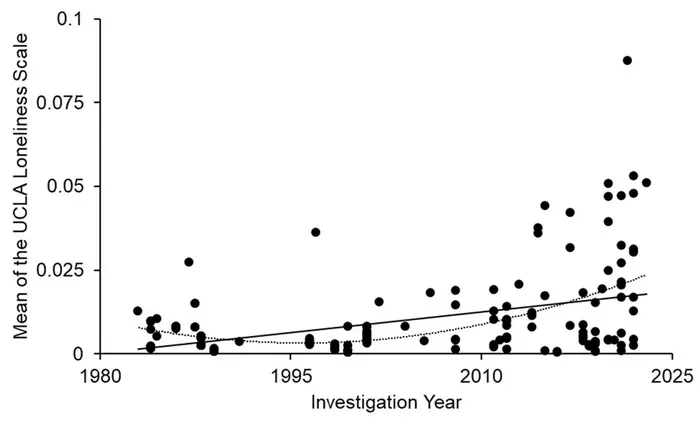 Wealth Correlated To Loneliness
 Ousiometrics Analysis Says All Human Language Is Biased
  Wavelengths Of Light Are Why CO2 Cools The Upper Atmosphere But Warms Earth