Banner
Why Antarctic Sea Ice Stopped Growing In 2015

Though numerical models and popular films like An Inconvenient Truth projected Arctic ice...
Wealth Correlated To Loneliness

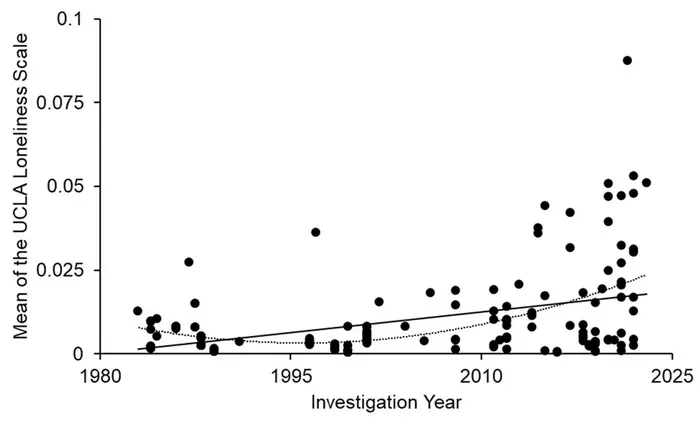
You may have read that Asian cultures respect the elderly more than Europe but Asian senior citizens...

Ousiometrics Analysis Says All Human Language Is Biased

A new tool drawing on billions of uses of more than 20,000 words and diverse real-world texts claims...

Wavelengths Of Light Are Why CO2 Cools The Upper Atmosphere But Warms Earth

There are concerns about projected warming on the Earth’s surface and in the lower atmosphere...

User picture.
News StaffRSS Feed of this column.

News Releases From All Over The World, Right To You... Read More »

Blogroll
The distinctive "fecal prints" of microbes could provide a record of how Earth and life have co-evolved over the past 3.5 billion years as the planet's temperature, oxygen levels, and greenhouse gases have changed but it's been difficult to decipher much of the information contained in this record.

A new project sheds light on the mysterious digestive processes of microbes, opening the way towards a better understanding of how life and the planet have changed over time. Using a new technique, researchers  focused on the microbes that live on the ocean floor where the microbes consume the sulfate found in seawater because oxygen is in short supply.
Scrapie is a neurodegenerative disease that has been known for centuries and which affects sheep and goats. Similar to Bovine Spongiform Encephalopathy (BSE) or mad cow disease, scrapie is caused by a transmissible pathogen protein called prion.

A new study finds that the pathogens responsible for scrapie in small ruminants (prions) have the potential to convert the human prion protein from a healthy state to a pathological state. In mice models reproducing the human species barrier, this prion induces a disease similar to Creutzfeldt-Jakob disease.

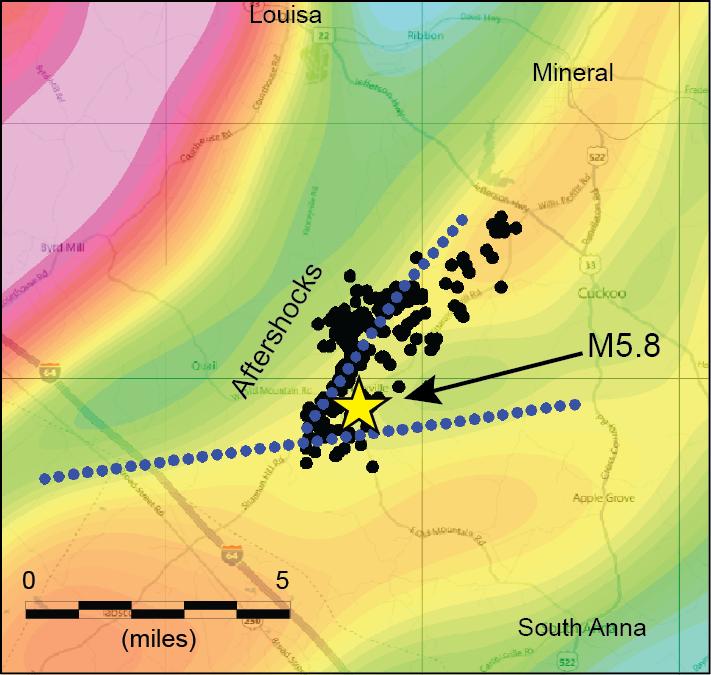
The 2011 east coast earthquake felt by people from Georgia to Canada likely originated from a fault “junction” just outside of Mineral, Virginia, according to new U.S. Geological Survey research published in the Geological Society of America’s Special Papers.

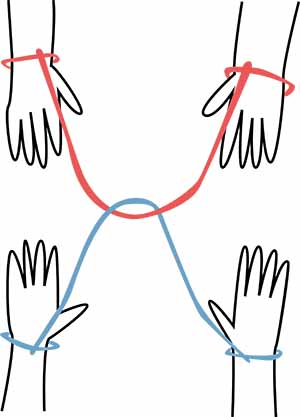
A young boy sits on the carpet, his feet disappearing into a giant pair of sweatpants he put on over his own clothes before loosely tying his ankles together.

He has taken the sweatpants off and is now trying to put them back on inside out without removing the ankle cuffs.

Yes, it can be done.


Holly Bernstein, who earned a PhD in mathematics at Washington University in St. Louis in 1999, watches him struggle for a bit and then says, “Remember the pants have more than one hole. You don’t necessarily have to put them back on the way you put them on in the first place.”

Lost memories can be restored, which offers some hope for patients in the early stages of Alzheimer's disease.

The belief has been that memories are stored at the synapses -- the connections between brain cells, or neurons -- which are destroyed by Alzheimer's disease. The new study provides evidence contradicting the idea that long-term memory is stored at synapses.

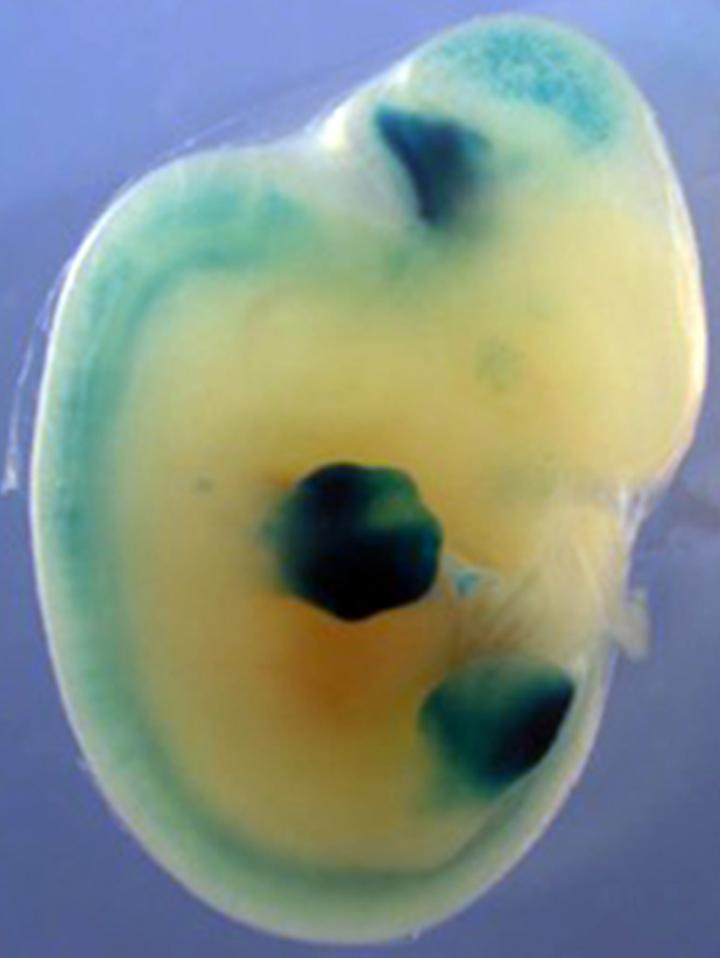
The evolutionary adaptations of ancient lobe-finned fish transformed pectoral fins used underwater into strong, bony structures that enabled emerging tetrapods, animals with limbs, to allow them crawl in shallow water or on land. 

The disconnect between paleontology and evolutionary biology has been why the modern structure called the autopod, comprising wrists and fingers or ankles and toes, has no obvious morphological counterpart in the fins of living fishes.