Banner
Why Antarctic Sea Ice Stopped Growing In 2015

Though numerical models and popular films like An Inconvenient Truth projected Arctic ice...

Wealth Correlated To Loneliness

You may have read that Asian cultures respect the elderly more than Europe but Asian senior citizens...

Ousiometrics Analysis Says All Human Language Is Biased

A new tool drawing on billions of uses of more than 20,000 words and diverse real-world texts claims...

Wavelengths Of Light Are Why CO2 Cools The Upper Atmosphere But Warms Earth

There are concerns about projected warming on the Earth’s surface and in the lower atmosphere...

User picture.
News StaffRSS Feed of this column.

News Releases From All Over The World, Right To You... Read More »

Blogroll

Nature enjoys variety, that is why it seems like evolution must have been drinking during the creation of some of the crazier things in biology. 

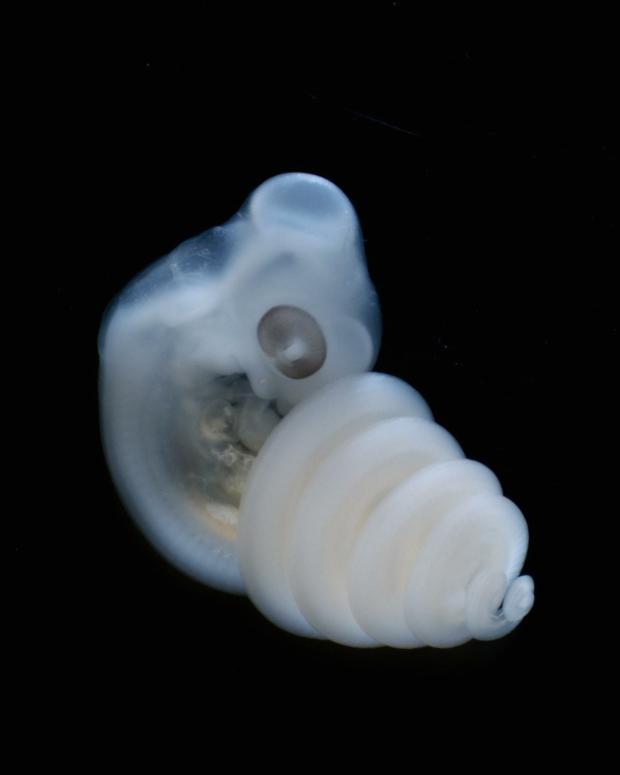
There is no intelligent reason why snakes and lizards have two genitalia while birds and people have one - or why the former group's paired structures are located somewhat at the level of the limbs while with humans and birds it appears a bit further down. In fact, snake and lizard genitalia are derived from tissue that gives rise to hind legs, while mammalian genitalia are derived from the tail bud. But despite such noteworthy contrasts, these structures are functionally analogous and express similar genes. 

How do these equivalent structures arise from different starting tissues? 

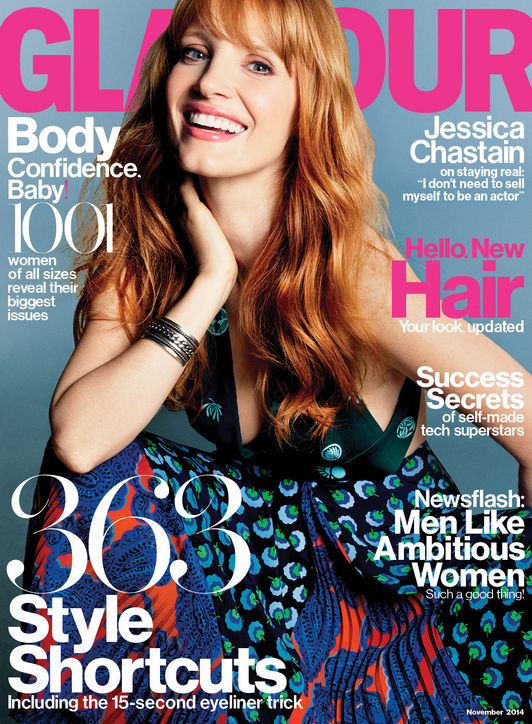
Fashion and beauty magazines are tremendously successful, as are television ad campaigns where women who are 5'10" and weigh 120 lbs. model jeans. Clearly, most women do not look like that and never will, so why do they buy magazines and clothes that remind them of it?

While critics insist that Americans, the fattest people on the planet, are under too much pressure to be thin, the truth is instead that they like role models, no differently than how some parents will buy a particular magazine if it has a female scientist on the cover.

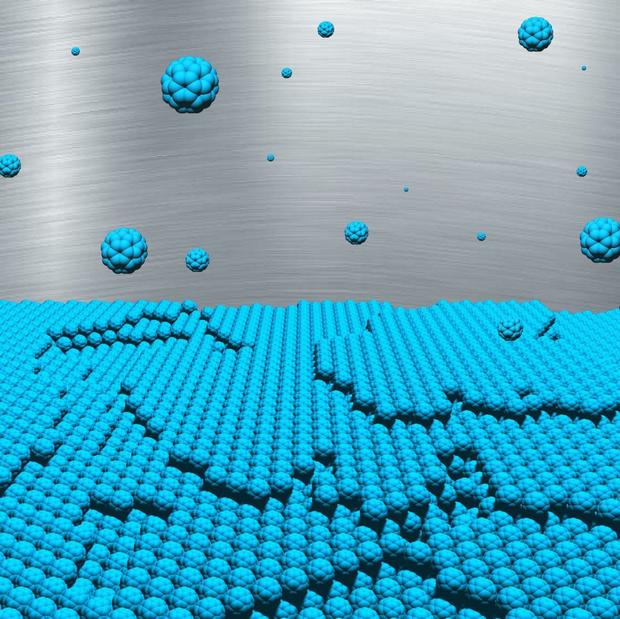
Researchers have witnessed how football-shaped carbon molecules known as
buckyballs
arrange themselves into ultra-smooth layers, all in real time, and by piecing that together with theoretical simulations, the investigators believe they can advance the field of plastic electronics. 

Buckyballs are spherical molecules which consist of 60 carbon atoms (C60), named such because they are reminiscent of American architect Richard Buckminster Fuller's geodesic domes. With their structure of alternating pentagons and hexagons, they also resemble tiny molecular footballs.

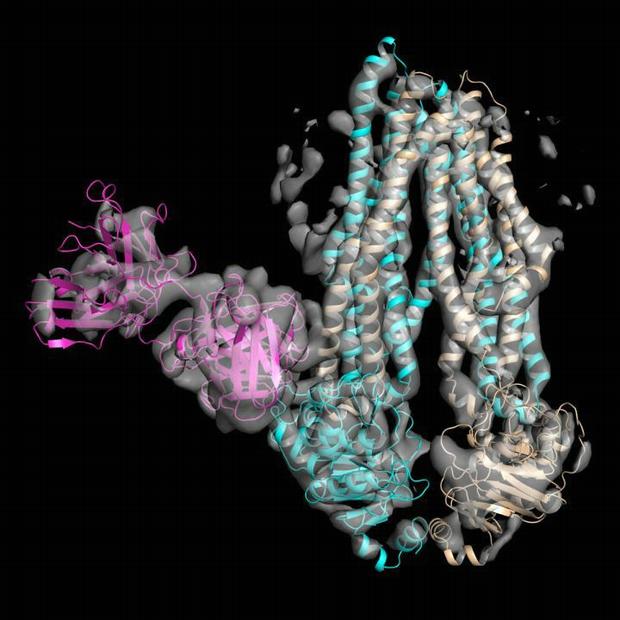
The structure of an asymmetrical ABC transporter complex has been determined with the aid of a high-resolution cryo-electron microscope.

ABC transporters cause bacteria and other pathogens to become resistant to antibiotics. They can also help cancer cells to defend themselves against cytostatic agents and thus determine whether chemotherapy will succeed.   

"ABC transporters causes diseases such as cystic fibrosis, while on the other hand they are responsible for the immune system recognising infected cells or cancer cells," explains Professor Robert Tampé from the Institute for Biochemistry at the Goethe University. 

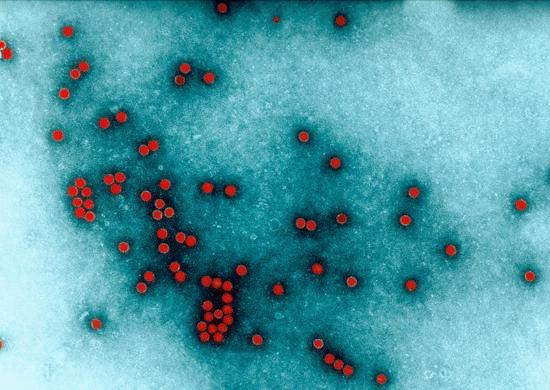
A serious epidemic of poliomyelitis that struck the Republic of the Congo in 2010 has been identified as a vaccine-resistant strain of polio.

The epidemic affected 445 people in the city of Pointe-Noire, the economic capital of the country, killing almost half of them. The researchers fear the emergence of other strains against which vaccines would have little effect.
Like coffee but your liberal guilt won't let you enjoy it if the energy to heat the water might have come from natural gas or nuclear energy?

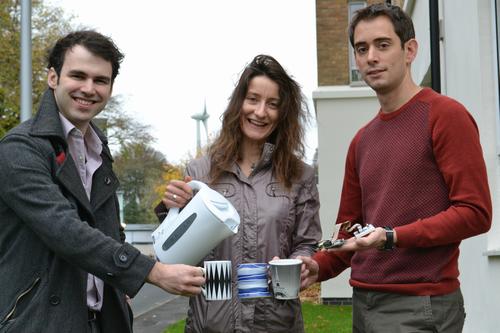
There may be hope for the future. Researchers at Lancaster University have used a Raspberry Pi to determine the optimum time for a cup of tea in terms of impact on the environment - it only allows a kettle to boil when the University’s wind turbine is producing electricity. Windy Brew is the brainchild of Dr. Will Simm, Dr. Peter Newman, Dr. Maria Angela Ferrario and Dr. Stephen Forshaw.

It envisions a future where man does not reshape nature, but where we are hostage to it.