Banner
Why Antarctic Sea Ice Stopped Growing In 2015

Though numerical models and popular films like An Inconvenient Truth projected Arctic ice...

Wealth Correlated To Loneliness

You may have read that Asian cultures respect the elderly more than Europe but Asian senior citizens...
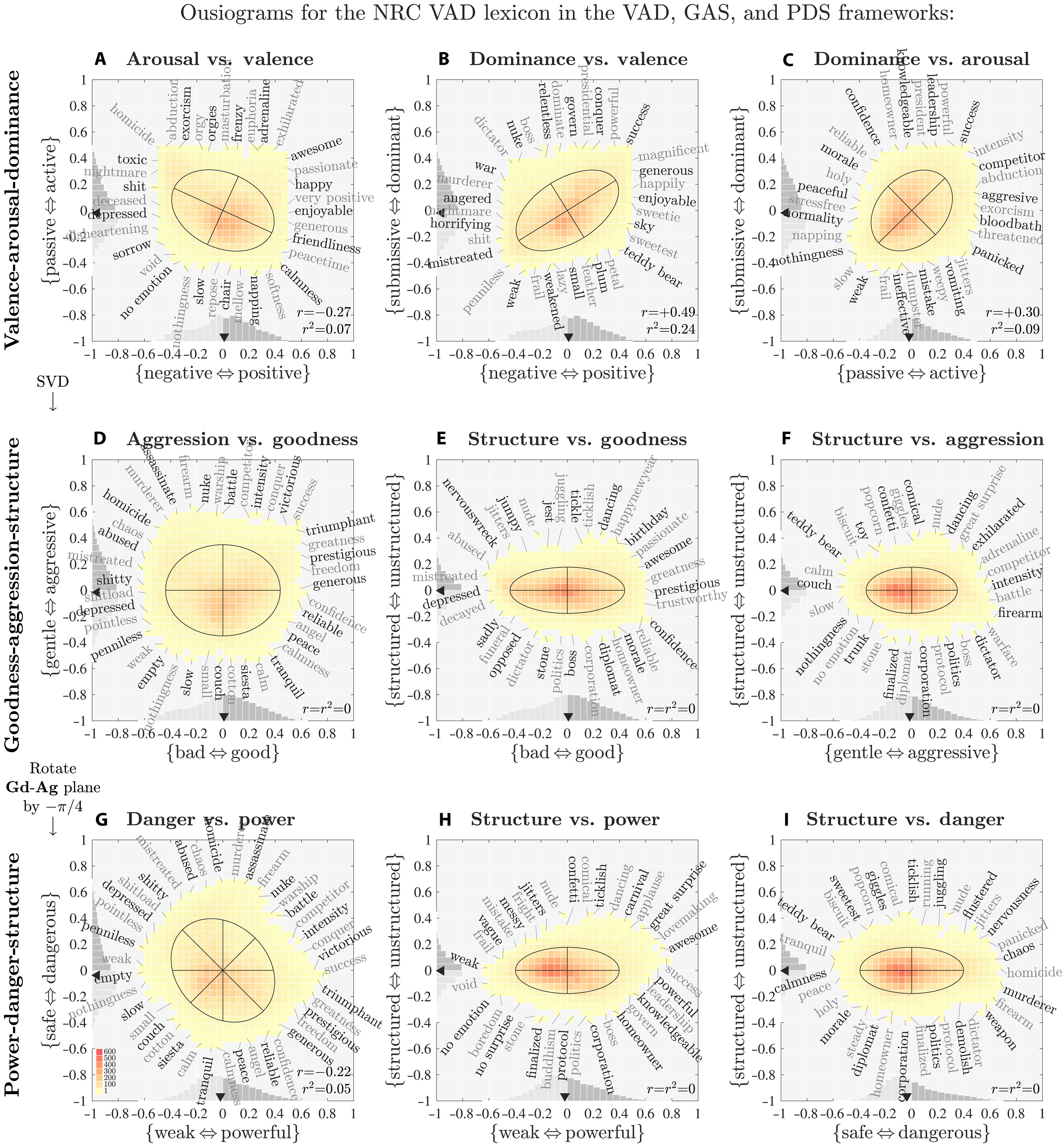
Ousiometrics Analysis Says All Human Language Is Biased

A new tool drawing on billions of uses of more than 20,000 words and diverse real-world texts claims...
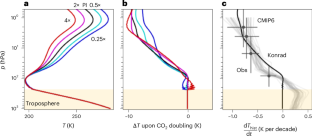
Wavelengths Of Light Are Why CO2 Cools The Upper Atmosphere But Warms Earth

There are concerns about projected warming on the Earth’s surface and in the lower atmosphere...

User picture.
News StaffRSS Feed of this column.

News Releases From All Over The World, Right To You... Read More »

Blogroll

It's not easy to blame childhood obesity on sunsets but scholars at the London School of Hygiene and Tropical Medicine and the University of Bristol say that later daylight couldn't hurt - and they even defend daylight savings time, which most people can't find much good to say about.

The scholars analyzed the lifestyles of over 23,000 children aged 5-16 years in nine countries; England, Australia, USA, Norway, Denmark, Estonia, Switzerland, Brazil and Madeira and Portugal. They looked for associations between the time of sunset and physical activity levels, measured via waist-worn accelerometers; electronic devices that measure body movement.

In the United States, professional basketball, the NBA, opens its regular season tonight. That means at this time tomorrow there will be talk that some player 'flopped' - fell on the ground to draw a foul and get a chance at a free basket.

A new analysis has found that two-thirds of the falls examined by the group at Ben-Gurion University of the Negev were found to be intentional.  And it happens a lot.

It happens so much because there is insufficient punishment for deception and teams are not doing the math. A cost/benefit analysis of "flopping" finds that 90 percent of the time no penalty is awarded, so as a strategy it is pointless.

Men who have had sex with more than 20 women have a 28% lower risk of getting prostate cancer than those who have had only one partner  - but males having more than 20 male partners face a 100% higher risk of getting prostate cancer than those who have never slept with a man. 

The results were obtained as part of the Montreal study PROtEuS (Prostate Cancer&Environment Study), in which 3,208 men responded to a questionnaire on, amongst other things, their sex lives. Of these men, 1,590 were diagnosed with prostate cancer between September 2005 and August 2009, while 1,618 men were part of the control group.

Risk Associated with Number of Partners

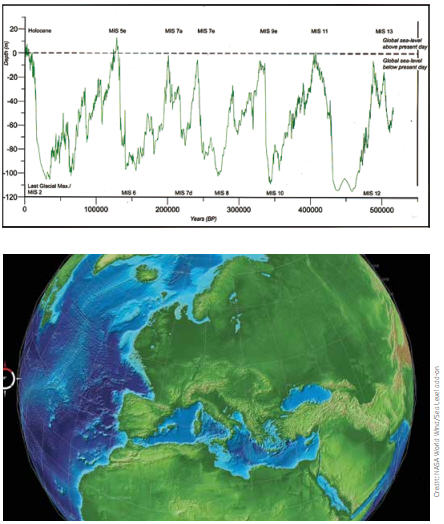
The social sciences have simultaneously become increasingly specialized and over-lapping. A new field calls itself Continental Shelf Prehistoric Research and it studies the remains of prehistoric human settlements which are now submerged beneath coastal waters.

Some of the now-drowned sites are tens of thousands of years old, requiring archaeologists to get help from oceanography and the geosciences. A recent paper describes how during the successive ice ages of the last million years, the sea level dropped at times by up to 120 meters and the exposed area of the continental shelf added 40% to the land area of Europe; a terrain occupied by vegetation, fauna, and people.

Economics is a dwindling field. Long called the 'dismal science' it is now considered just another philosophical school of thought; people in the money business who want quantification hire physicists rather than economists.

And the lack of female interest in the field shows it is no longer in vogue. A new analysis finds that women make up 57 percent of undergraduate classes at UK universities but only 27 percent of economics students. The women who like math are doing something else with it. 1.2 percent of females apply to study economics while 3.8 percent of boys do.  

If it isn't taxes, it is OPEC but oil prices are likely to go up - people are still going to drive. It's necessary.

So is physical fitness but a new economics analysis finds that if prices to swim go up, people are inclined to drop it rather than pay more - but a gym membership stays. That's reason enough for economists behind a new paper to advocated a new government subsidy.

The work by Brunel University London's Health Economics Research Group consisted of interviews with 1,683 people, 83% of whom took part in physical activity in some form. It found that people facing 10% higher entry fees to swimming pools were 29% less active, once other variations such as their age and differences in income were taken into account.