Banner
Why Antarctic Sea Ice Stopped Growing In 2015

Though numerical models and popular films like An Inconvenient Truth projected Arctic ice...

Wealth Correlated To Loneliness

You may have read that Asian cultures respect the elderly more than Europe but Asian senior citizens...
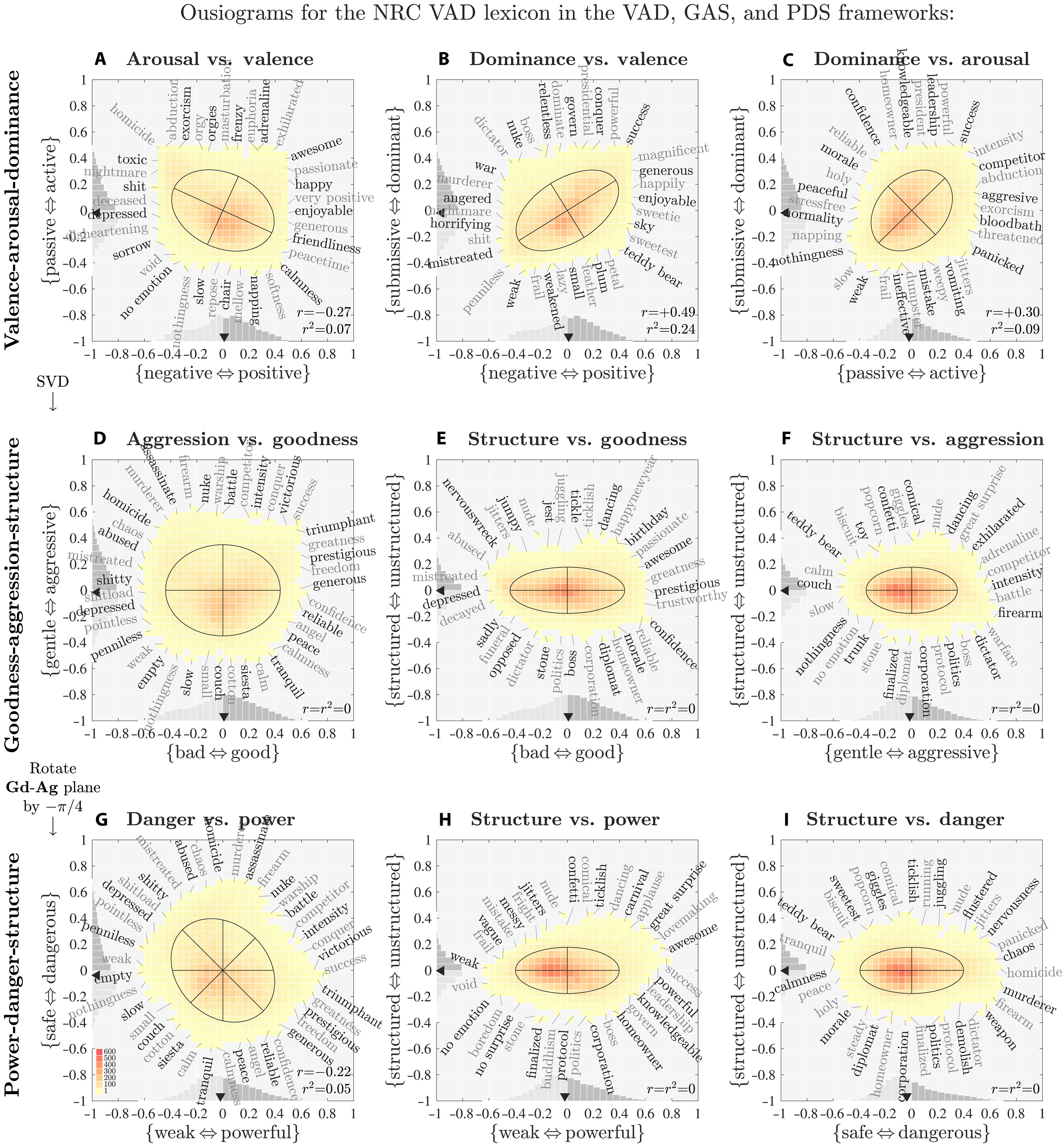
Ousiometrics Analysis Says All Human Language Is Biased

A new tool drawing on billions of uses of more than 20,000 words and diverse real-world texts claims...

Wavelengths Of Light Are Why CO2 Cools The Upper Atmosphere But Warms Earth

There are concerns about projected warming on the Earth’s surface and in the lower atmosphere...

User picture.
News StaffRSS Feed of this column.

News Releases From All Over The World, Right To You... Read More »

Blogroll
Researchers on an international team recently showed a way to quickly and reliably find the fastest way through a city maze. But rather than using a satellite navigation system, they used chemistry.

It needs a little work before UPS can use it, since the chemical processor was in alkaline liquid, bit it is intriguing proof of concept.

A novel method to test for vitamin B12 deficiency is sensitive enough to work on anyone, including newborn babies and large swaths of the general population. It uses a single drop of blood collected from a finger prick which is then blotted and dried overnight on a card consisting of filter paper.

The dried blood spot card analysis is sensitive enough to measure the amount of methylmalonic acid (MMA), an indicator of a person's B12 level, according to study author Yvonne Lamers of the University of British Columbia. "This minimally invasive approach helps us measure deficiency in an easier and more convenient way, especially in large samples of people. Our method is the first to make dried blood spot analysis sensitive enough to test healthy people for B12 deficiency."

Each year, nearly 600,000 children die from severe, dehydrating diarrhea and millions more are hospitalized. Enterotoxigenic Escherichia coli (ETEC)
may be the first enteric illness encountered by many infants, and it causes several hundred million cases of diarrhea each year, mainly in children.

A team of astronomers recently reported discovering a pulsating star that appears to shine with the energy of 10 million suns. A pulsar is a type of rotating neutron star that emits a bright beam of energy that regularly sweeps past Earth like a lighthouse beacon.

What are the odds finding another one so bright? According to one of the paper's authors, quite good. 

Professor Deepto Chakrabarty of the Kavli Institute for Astrophysics and Space Research at the Massachusetts Institute of Technology says he is optimistic that astronomers will find additional ultra-bright pulsars now that they know such objects exist.

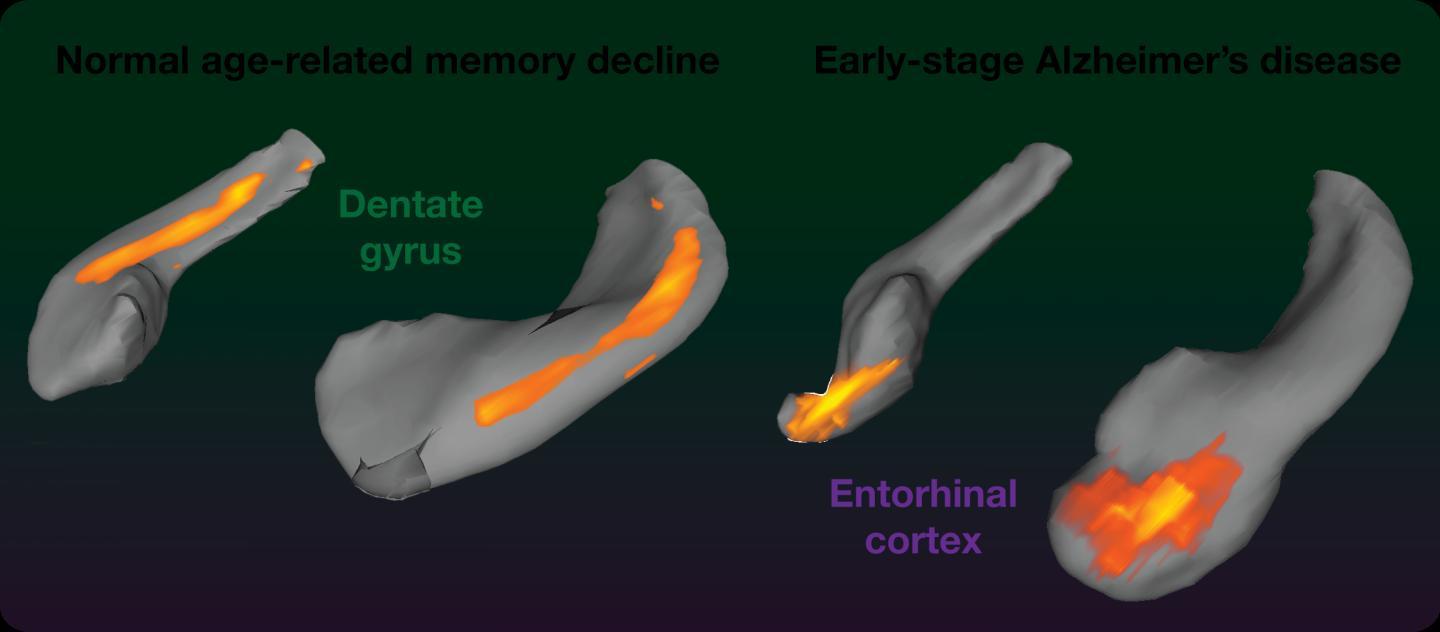
A new study has found that  age-related memory decline in healthy older adults
can be reversed by dietary cocoa flavanols, the naturally occurring bioactives found in cocoa.

The expanding thermonuclear fireball of a nova is a staple of movies and fiction but last year one was witnessed in the constellation Delphinus with unprecedented clarity. The observations produced the first images of a nova during the early fireball stage and revealed how the structure of the ejected material evolves as the gas expands and cools.