Banner
Why Antarctic Sea Ice Stopped Growing In 2015

Though numerical models and popular films like An Inconvenient Truth projected Arctic ice...

Wealth Correlated To Loneliness

You may have read that Asian cultures respect the elderly more than Europe but Asian senior citizens...
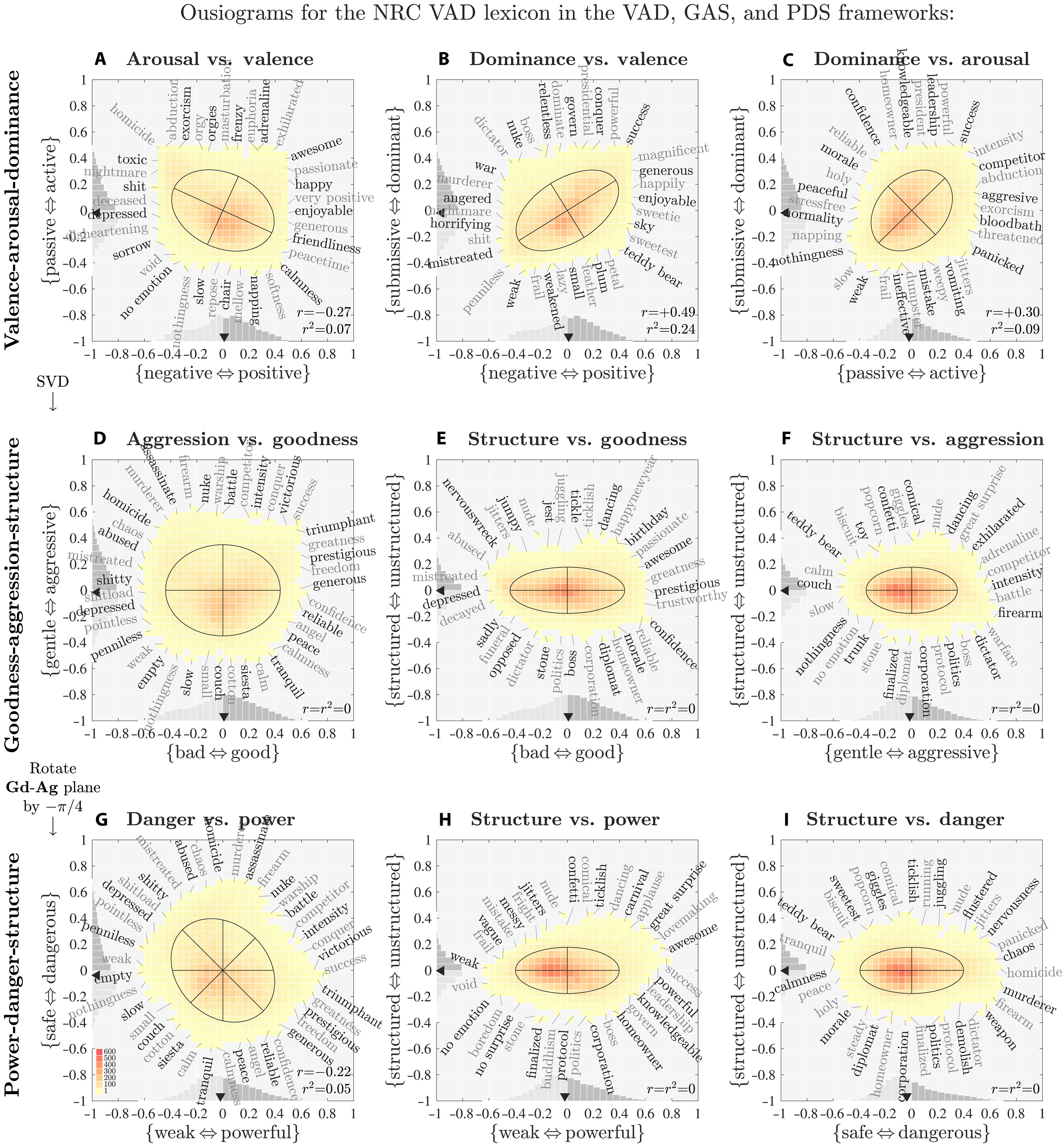
Ousiometrics Analysis Says All Human Language Is Biased

A new tool drawing on billions of uses of more than 20,000 words and diverse real-world texts claims...
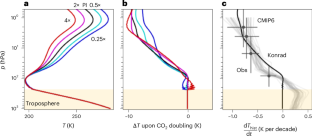
Wavelengths Of Light Are Why CO2 Cools The Upper Atmosphere But Warms Earth

There are concerns about projected warming on the Earth’s surface and in the lower atmosphere...

User picture.
News StaffRSS Feed of this column.

News Releases From All Over The World, Right To You... Read More »

Blogroll

Three years ago, a patient at Sahlgrenska University Hospital received a blood vessel transplant grown from her own stem cells. Two other transplants were performed in 2012. The patients, two young children, had the same condition as in the first case – they were missing the vein that goes from the gastrointestinal tract to the liver. 

Professors
Suchitra Sumitran-Holgersson, Professor of Transplantation Biology at The Univerisity of Gothenburg, and Michael Olausson, Surgeon/Medical Director of the Transplant Center and Professor at Sahlgrenska Academy, came up with the idea, planned and carried out the procedure.

In a new study, researchers have shown that shutting off the blood supply to an arm or leg before cardiac surgery protects the heart during the operation.

The research group wanted to see how the muscle of the left chamber of the heart was affected by a technique, called RIPC (remote ischemic preconditioning), during cardiac surgery. RIPC works by shutting off the blood supply to an arm or a leg before heart surgery. The goal is to reduce risk during cardiac surgery in the future.

The technique is not new, but its effects have never before been tested directly on the left chamber of the heart.

Focus on greenhouse gases in the atmosphere has led to a lot of confusion among the public: bad storms are caused by global warming but a lack of warming is not.

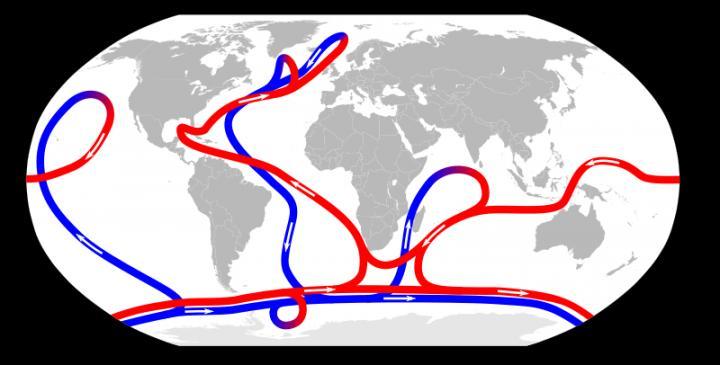
There may be a reason things don't add up, according to a paper in Science. The circulation of the ocean plays an equally important role in regulating the earth's climate, it finds. In their study, the researchers say the major cooling of Earth and continental ice build-up in the Northern Hemisphere 2.7 million years ago coincided with a shift in the circulation of the ocean – which pulls in heat and carbon dioxide in the Atlantic and moves them through the deep ocean from north to south until it's released in the Pacific.

 Massive amounts of erupting lava have connected with the fall of civilizations, the destruction of supercontinents and dramatic changes in climate and ecosystems. 

Since August 31st, Bárðarbunga volcano in central Iceland has been spewing spectacular amounts of lava. A new paper finds that high mantle temperatures miles beneath the Earth's surface are essential for generating such large amounts of magma - and  Bárðarbunga volcano lies directly above the hottest portion of the North Atlantic mantle plume.

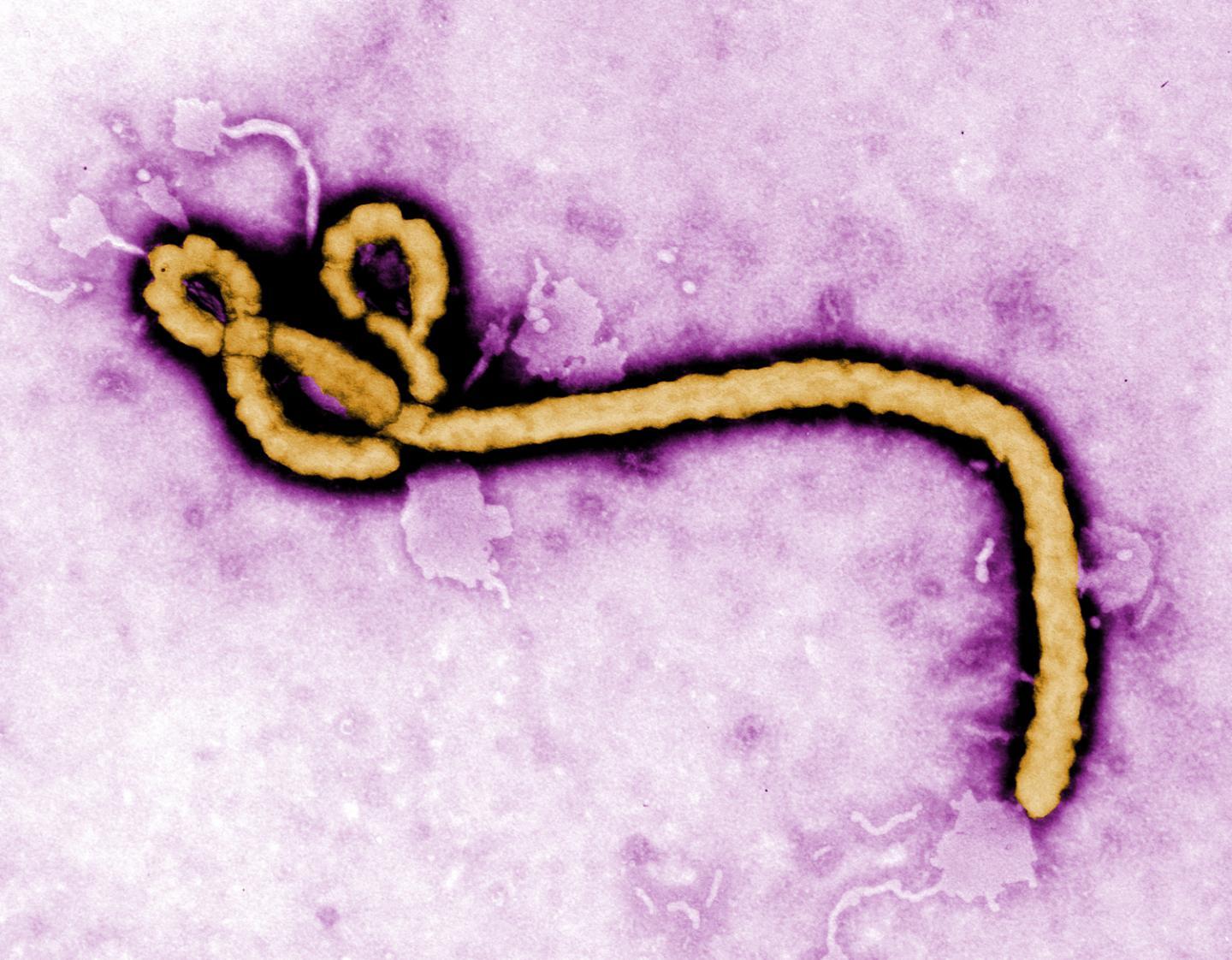
Though Ebola tends to occur in waves, the filoviruses family to which Ebola and its lethal relative Marburg belong, are at least 16 million years old.

Filoviruses likely existed in the Miocene Epoch, and at that time, the evolutionary lines leading to Ebola and Marburg had already diverged, according to a paper inl PeerJ. It was once believed that the viruses only came into being some 10,000 years ago, coinciding with the rise of agriculture but now it is believed to have developed at the time when great apes arose.

There may soon be a new way to use stem cells in the fight against brain cancer. A team has created a way to genetically engineer stem cells so that they can produce and secrete tumor-killing toxins that eradicate cancer cells remaining in mouse brains after their main tumor has been removed.

The stem cells are placed at the site encapsulated in a biodegradable gel. This method solves the delivery issue that probably led to the failure of recent clinical trials aimed at delivering purified cancer-killing toxins into patients' brains.