Banner
Why Antarctic Sea Ice Stopped Growing In 2015

Though numerical models and popular films like An Inconvenient Truth projected Arctic ice...

Wealth Correlated To Loneliness

You may have read that Asian cultures respect the elderly more than Europe but Asian senior citizens...
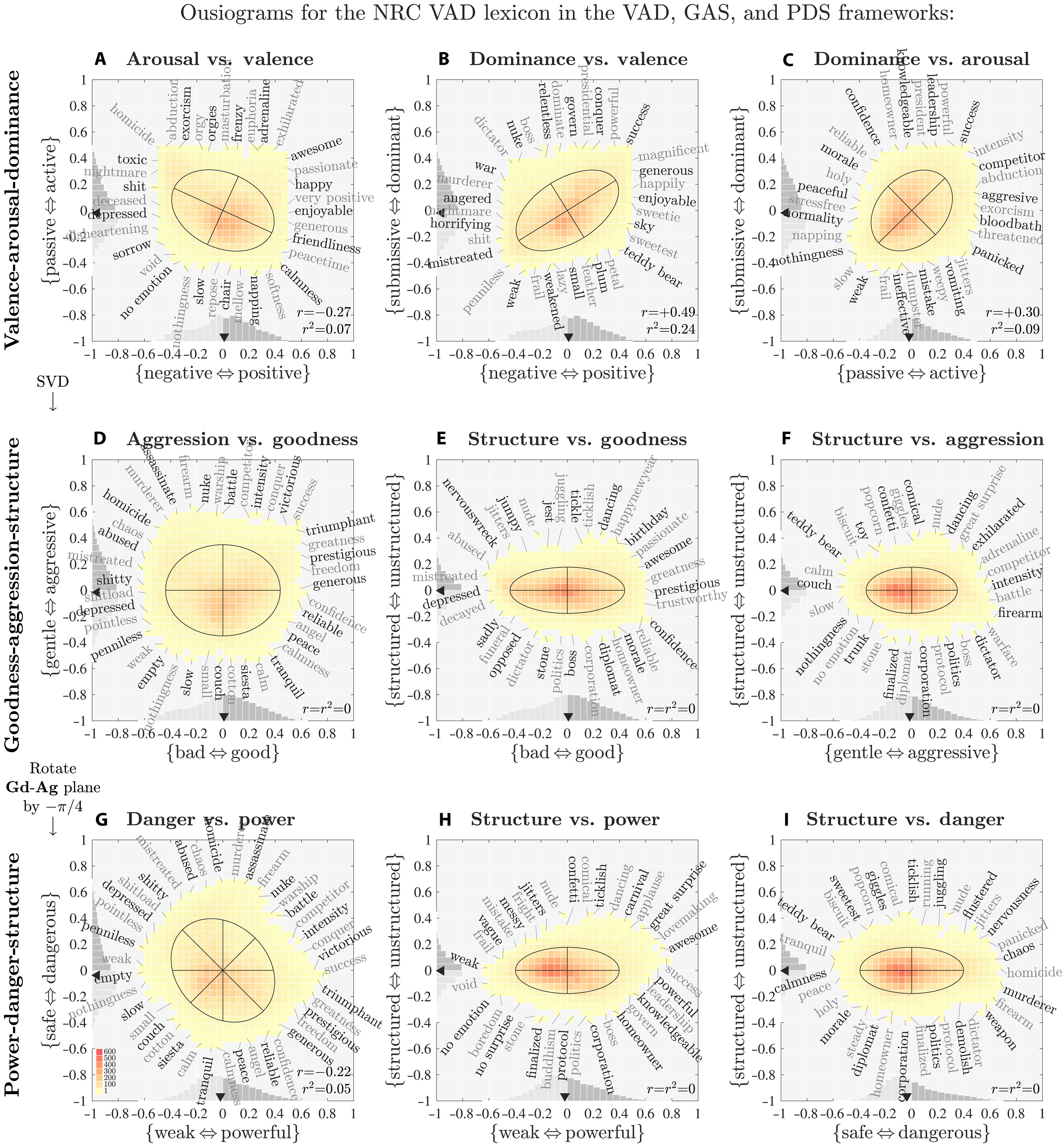
Ousiometrics Analysis Says All Human Language Is Biased

A new tool drawing on billions of uses of more than 20,000 words and diverse real-world texts claims...

Wavelengths Of Light Are Why CO2 Cools The Upper Atmosphere But Warms Earth

There are concerns about projected warming on the Earth’s surface and in the lower atmosphere...

User picture.
News StaffRSS Feed of this column.

News Releases From All Over The World, Right To You... Read More »

Blogroll

There is no substitute for a hearing test, especially in an age group that doesn't self-report very well.

Currently, the American Academy of Pediatrics and
the Bright Futures children's health organization
recommends screening adolescents with subjective questions but that does not reliably identify teenagers who are at risk for hearing loss, according to researchers at Penn State College of Medicine. 

"We found that you can't rely on the Bright Futures questions to select out teenagers at high risk for hearing loss who would warrant an objective screen," said Deepa Sekhar, M.D., M.Sc., assistant professor of pediatrics.

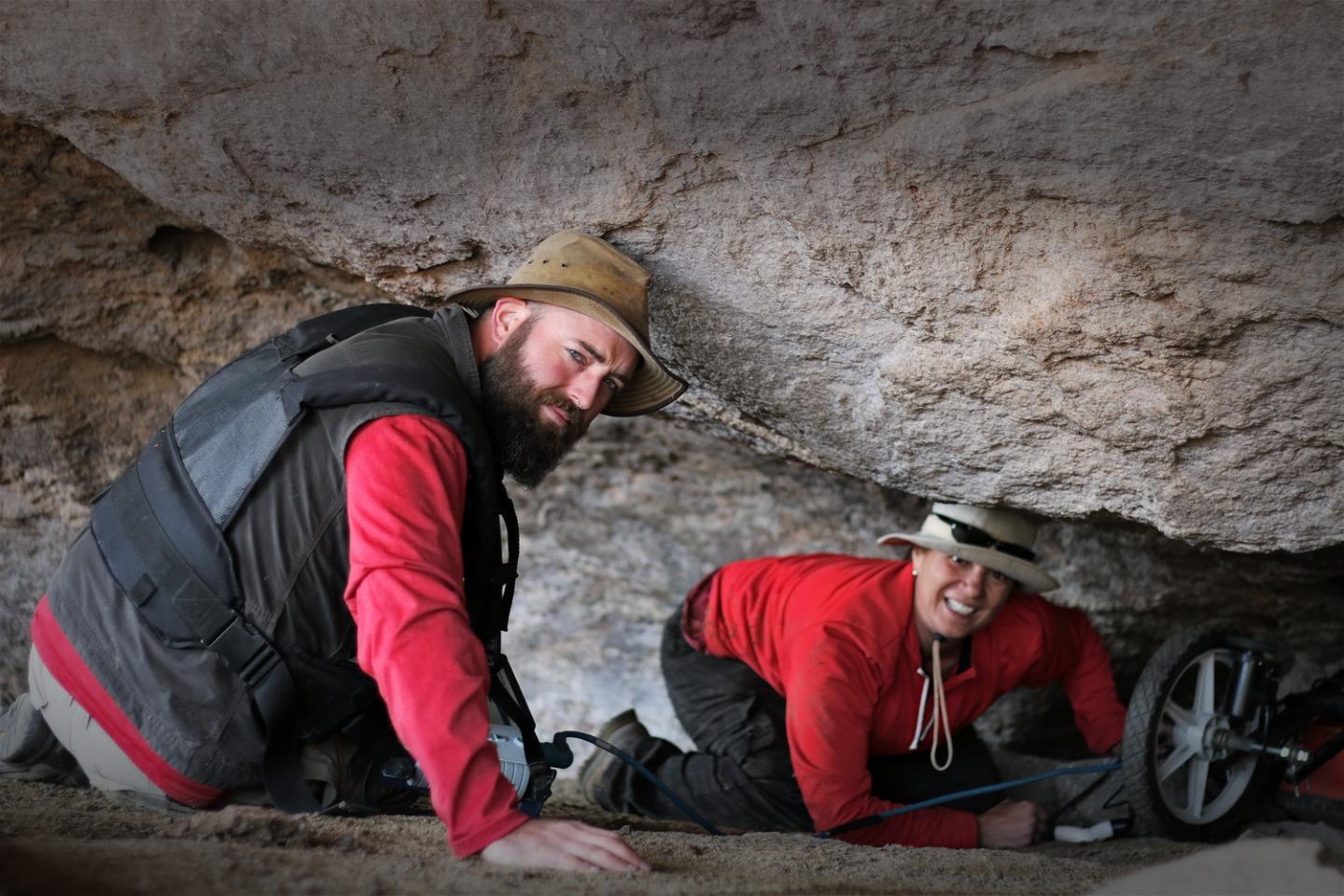
Think you're extreme? 12,000 years ago Ice Age Humans lived and worked at an altitude of almost 15,000 feet, high in the Peruvian Andes.

The sites in the Pucuncho Basin, located in the Southern Peruvian Andes, are the highest-altitude Pleistocene archaeological sites found to-date. The primary site, Cuncaicha is a rock shelter at 4,480 meters above sea level, with a stone-tool workshop below it. There is also a Pucuncho workshop site where stone tools were made at 4,355 meters above sea level.

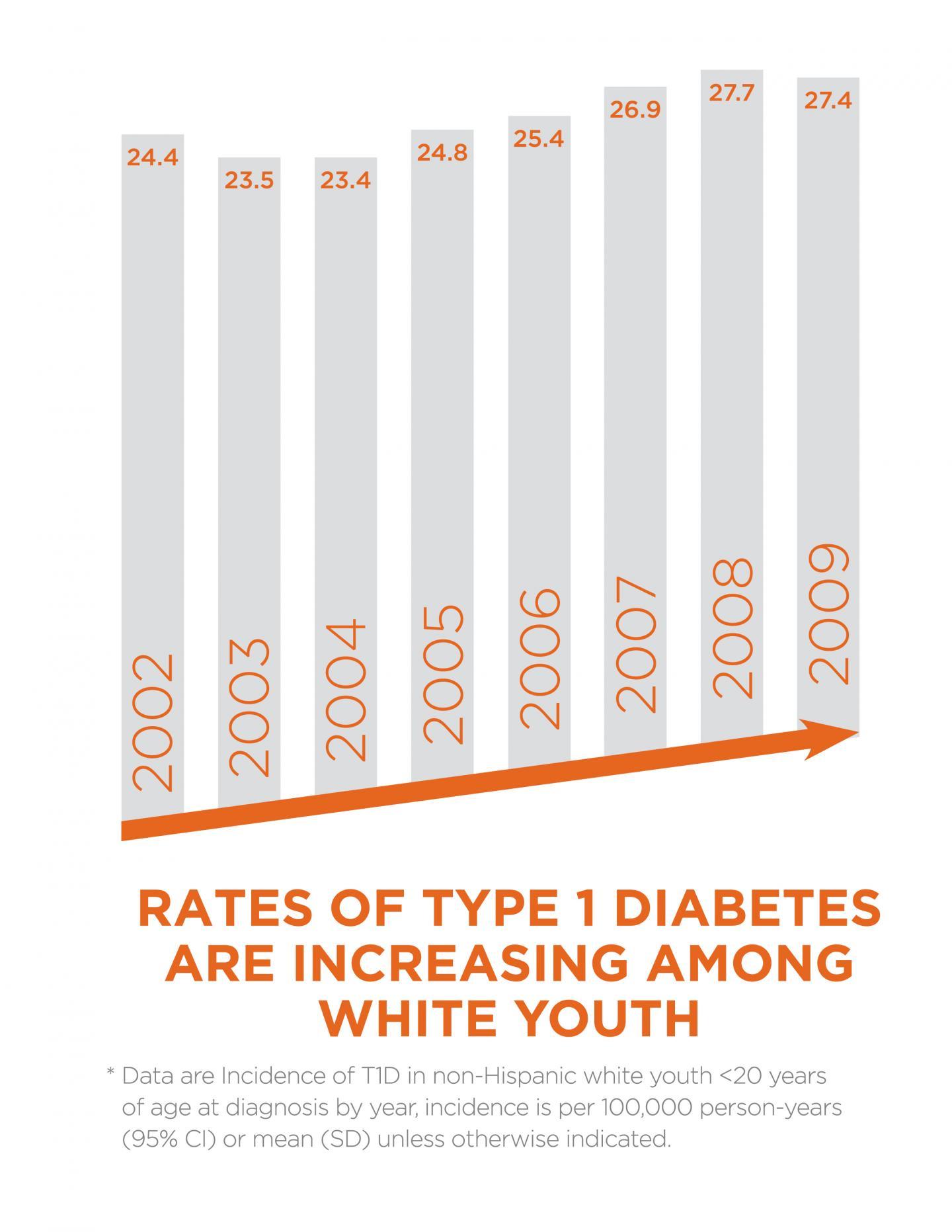
White children diagnosed with type 1 diabetes increased significantly from 2002 to 2009 in all but the youngest age group, according to a new paper in Diabetes.

A new study finds that though most U.S. adults fail to meet recommended daily levels of 10 key nutrients, those with disabilities do substantially worse.

At least 10 percent of U.S. adults fit into one or more category of disability, from those who have difficulties with activities of daily living, such as dressing, bathing and eating, to those who cannot use their legs or struggle to accomplish routine tasks, such as money management or household chores.

Up to 64% of people worldwide use medicinal plants to treat illnesses and relieve pain, and the herbal medicine market is worth $60 billion annually. Despite the increasing popularity of herbal medicine, the sale of medicinal plants is mostly unregulated, because they do not claim to be medicine in countries where regulation happens. 

It's obvious why people in developing nations embrace herbal alternatives to medicine - medicine is expensive. In wealthier countries, it is instead embraced by people who have plenty of money but don't trust science.

While studying the atmosphere on Saturn's moon Titan, scientists discovered intriguing zones of organic molecules unexpectedly shifted away from its north and south poles. These misaligned features seem to defy conventional thinking about Titan's windy atmosphere, which should quickly smear out such off-axis concentrations.

"This is an unexpected and potentially groundbreaking discovery," said Martin Cordiner, an astrochemist working at NASA's Goddard Space Flight Center in Greenbelt, Maryland, and the lead author of a study published online today in the Astrophysical Journal Letters. "These kinds of east-to-west variations have never been seen before in Titan's atmospheric gases. Explaining their origin presents us with a fascinating new problem."