Banner
Why Antarctic Sea Ice Stopped Growing In 2015

Though numerical models and popular films like An Inconvenient Truth projected Arctic ice...

Wealth Correlated To Loneliness

You may have read that Asian cultures respect the elderly more than Europe but Asian senior citizens...

Ousiometrics Analysis Says All Human Language Is Biased

A new tool drawing on billions of uses of more than 20,000 words and diverse real-world texts claims...

Wavelengths Of Light Are Why CO2 Cools The Upper Atmosphere But Warms Earth

There are concerns about projected warming on the Earth’s surface and in the lower atmosphere...

User picture.
News StaffRSS Feed of this column.

News Releases From All Over The World, Right To You... Read More »

Blogroll

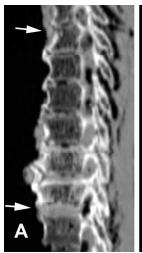
A systemic disease that causes inflammation in the spinal joints and was thought to have affected members of the ancient Egyptian royal families may have been another condition, according to a new study published in Arthritis&Rheumatology.

The authors refutes claims of Ankylosing spondylitis in royals like King Amenhotep III (1390–1352 BC), finding instead a degenerative spinal condition called diffuse idiopathic skeletal hyperostosis (DISH) in royal Egyptian mummies from the 18th to early 20th Dynasties.

Without question American CO2 emissions have plummeted, even after being driven into more coal usage due to political concerns about nuclear energy. Cleaner natural gas made the difference but environmental critics say the energy emissions burden simply shifted to developing nations - poor people can't have air conditioning. 

Yet a new study in Nature Climate Change shows that environmentalists don't need to be criticizing the world's poor.  Improving household electricity access in India over the last 30 years contributed only marginally to the nation's total carbon emissions growth.   

New research into a rare pathogen has shown how a unique evolutionary trait allows it to infect even the healthiest of hosts through a smart solution to the body's immune response against it.

Scientists at the University of Birmingham have explained how a particular strain of a fungus, Cryptococcus gattii, responds to the human immune response and triggers a 'division of labour' in its invading cells, which can lead to life-threatening infections.

(Vienna, October 17, 2014) Two new pill-only regimens that rapidly cure most patients with genotype 1 hepatitis C (HCV) infection could soon be widely prescribed across Europe. Two recently-published studies1,2 confirmed the efficacy and safety of combination therapy with two oral direct-acting antiviral agents (DAAs), with around 90% of patients cured after just 12-weeks of treatment.

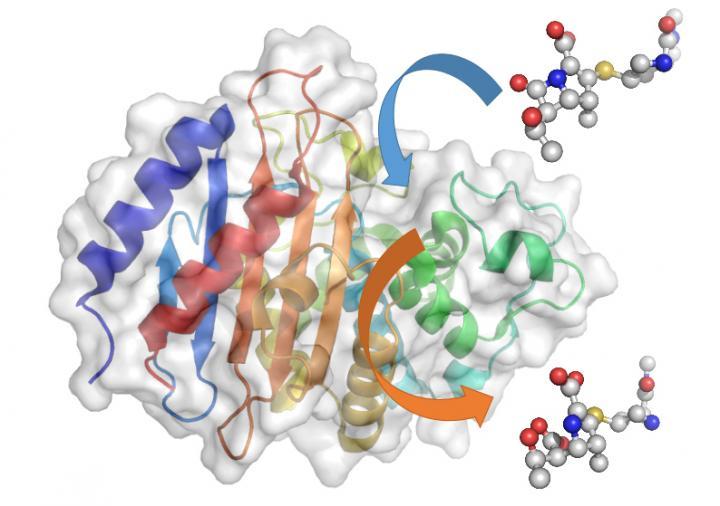
Computer simulations show how bacteria are able to destroy antibiotics, focusing on the role of enzymes in the bacteria which split the structure of the antibiotic and stop it working, making the bacteria resistant. 

The new findings show that it's possible to test how enzymes react to certain antibiotics and thus design new antibiotics with a much lower risk of resistance, and even to choose the best medicines for specific outbreaks.

Using QM/MM - quantum mechanics/molecular mechanics simulations – the research team were able to gain a molecular-level insight into how enzymes called 'beta-lactamases' react to antibiotics.

 A region of human chromosome 16, known as 16p11.2, is prone to genetic changes in which segments of DNA are deleted or duplicated and is considered to be one of the leading candidates for genetic causes of autism, schizophrenia, and other conditions.

A new study finds that a genetic variation that evolved in the last 250,000 years, after the divergence of humans from ancient hominids, likely plays an important role in disease.