Banner
Why Antarctic Sea Ice Stopped Growing In 2015

Though numerical models and popular films like An Inconvenient Truth projected Arctic ice...
Wealth Correlated To Loneliness

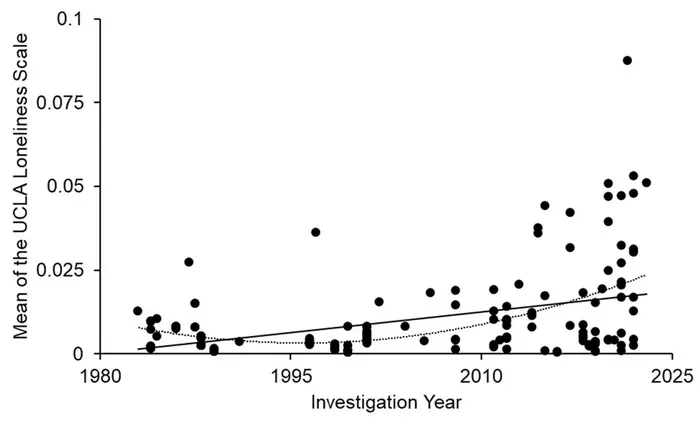
You may have read that Asian cultures respect the elderly more than Europe but Asian senior citizens...
Ousiometrics Analysis Says All Human Language Is Biased

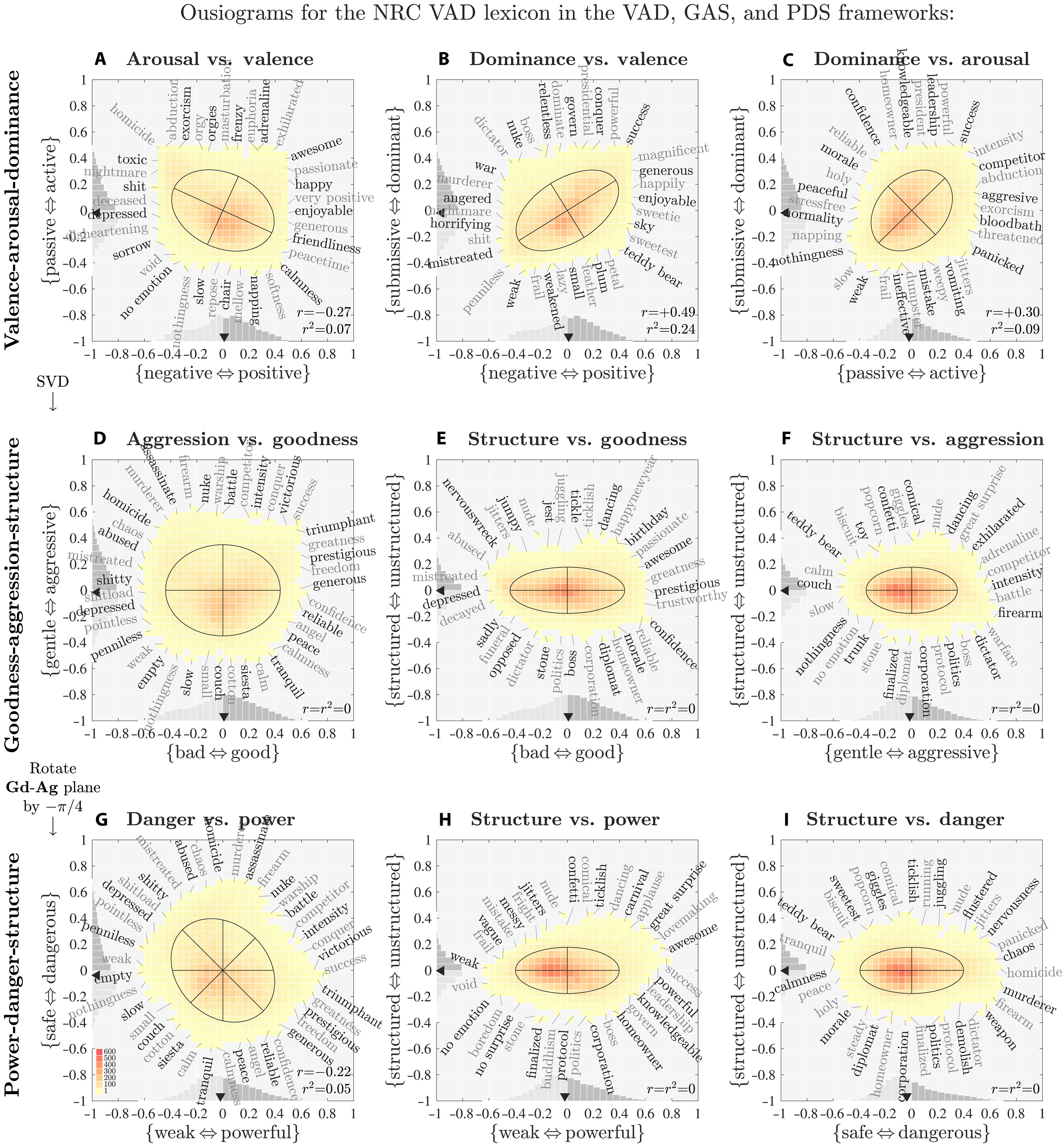
A new tool drawing on billions of uses of more than 20,000 words and diverse real-world texts claims...
Wavelengths Of Light Are Why CO2 Cools The Upper Atmosphere But Warms Earth

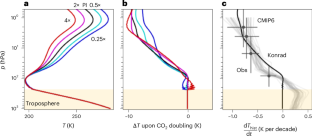
There are concerns about projected warming on the Earth’s surface and in the lower atmosphere...

User picture.
News StaffRSS Feed of this column.

News Releases From All Over The World, Right To You... Read More »

Blogroll

Reading glasses have served us for centuries. Why fix a good thing? Because science and technology can. 

Presbyopia, blurriness in near vision experienced by many people over the age of 40, could one day be relegated to olden days if a thin ring inserted into the eye gains popularity.

A new study has found that people who play action video games such as the "Call of Duty" or "Assassin's Creed" seem to learn a new sensorimotor skill faster than non-gamers do. Sorry, Bungie, "Destiny" was not out when they did the study and auto-rifles would mess up the results anyway.

A new sensorimotor skill, such as learning to ride a bike or typing, often requires a new pattern of coordination between vision and motor movement. With such skills, an individual generally moves from novice performance, characterized by a low degree of coordination, to expert performance, marked by a high degree of coordination. As a result of successful sensorimotor learning, one comes to perform these tasks efficiently and perhaps even without consciously thinking about them.

When most people think of first responders, they think of paramedics or combat medics or other medically-trained personnel doing CPR and other life-saving procedures in stressful situations.

They do not think of acupuncture.
 
A review article in Medical Acupuncture - since it is a review, it is collating other articles about acupuncture, rather than science or medicine - argues that first responders should be trained in integrative medicine approaches such as acupuncture, hypnosis and biofeedback to provide adjunctive treatment to help relieve patients' pain and stress. Maybe they could teach some yoga and the benefits of organic food during the next earthquake as well.

We assume that we can see the world around us in sharp detail but our eyes only process a fraction of our surroundings precisely.

In a series of experiments, psychologists at Bielefeld University investigated how the brain fools us into believing that we see in sharp detail. They find that our nervous system uses past visual experiences to predict how blurred objects would look in sharp detail.

Its central finding is that our nervous system uses past visual experiences to predict how blurred objects would look in sharp detail.

Computer chips with superconducting circuits would be 50 to 100 times as energy-efficient as today's chips due to a lack of electrical resistance.

That means less heat, less deformation and less energy cost.

Superconducting chips also promise greater processing power. Superconducting circuits that use so-called Josephson junctions have been clocked at 770 gigahertz, or 500 times the speed of the chip in the iPhone 6.

DNA analysis has become increasingly cost-effective since the human genome was first fully sequenced in the year 2001.

Sequencing a complete genome, however, still costs around $1,000 each so sequencing the genetic code of 100s of individuals would be expensive. For non-human studies, researchers very quickly hit the limit of financial feasibility.