Banner
Why Antarctic Sea Ice Stopped Growing In 2015

Though numerical models and popular films like An Inconvenient Truth projected Arctic ice...

Wealth Correlated To Loneliness

You may have read that Asian cultures respect the elderly more than Europe but Asian senior citizens...

Ousiometrics Analysis Says All Human Language Is Biased

A new tool drawing on billions of uses of more than 20,000 words and diverse real-world texts claims...

Wavelengths Of Light Are Why CO2 Cools The Upper Atmosphere But Warms Earth

There are concerns about projected warming on the Earth’s surface and in the lower atmosphere...

User picture.
News StaffRSS Feed of this column.

News Releases From All Over The World, Right To You... Read More »

Blogroll

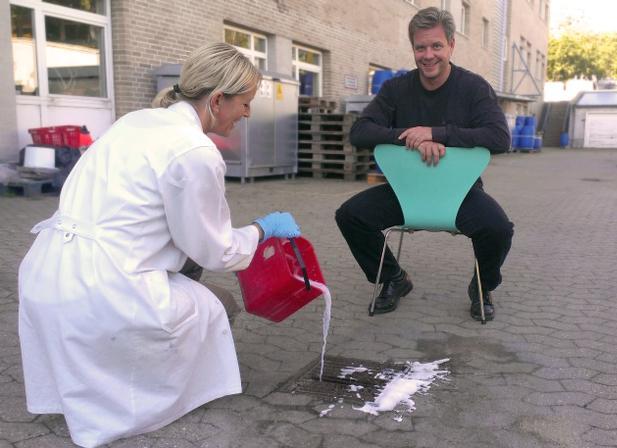
When you take a shower and use soap and then lather, rinse and repeat twice with that shampoo, it gets washed off your body and goes down the drain.

Environmentalists have claimed these soaps and shampoos and washing machine detergents - surfactants - seep into groundwater, lakes and streams, where they could pose a risk to fish and frogs.

But do they? Not likely, finds a new report of the potential impact on the environment of the enormous amounts of common surfactants used day in and day out by consumers all over the world. 

Though it has been researched for decades, the cause of nodding syndrome, a disabling disease affecting African children, is unknown. A new report suggests that blackflies infected with the parasite Onchocerca volvulus may be capable of passing on a secondary pathogen responsible for the spread of the disease. 

Concentrated in South Sudan, Northern Uganda, and Tanzania, nodding syndrome is a debilitating and deadly disease that affects young children between the ages of 5 and 15. When present, the first indication of the disease is an involuntary nodding of the head, followed by epileptic seizures. The condition can cause cognitive deterioration, stunted growth, and in some cases, death.

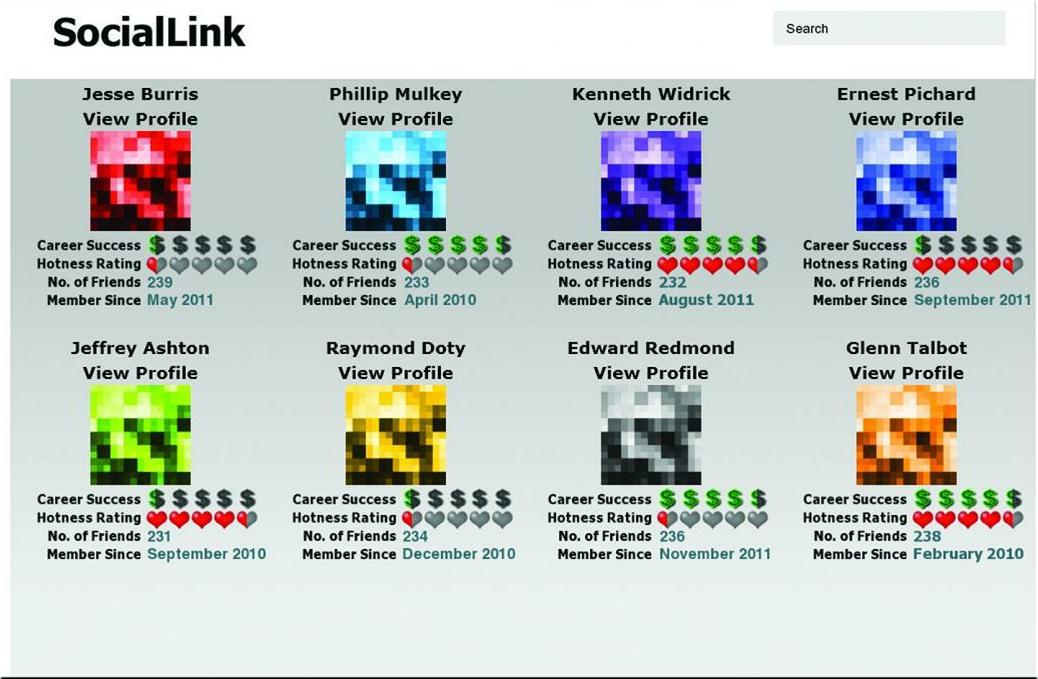
Call it cathartic but one modern way people in a bad mood feel better is to go on social media like Facebook and find friends doing even worse.

A new paper says that generally people use social media to connect with people who are posting positive and success-oriented updates. No one wants to hang out with downers - unless they are in a bad mood. Then people want to read about less attractive, less successful and more miserable people. The authors believe the
findings give more context to recent papers stating that found people who spend a lot of time on Facebook tend to be more frustrated, angry and lonely – presumably because of all the happy updates from friends that make them feel inadequate. 

A new study has found that lungs become more inflammatory with age and that ibuprofen can lower that inflammation - and the difference can be dramatic.

Immune cells from old mouse lungs, after lung inflammation was reduced by ibuprofen, fought tuberculosis bacteria as effectively as cells from young mice. The ibuprofen had no effect on the immune response to TB in young mice. The researchers already knew that old mice had a harder time clearing TB from the lungs than young mice, but had not investigated the role of lung inflammation in that response. 

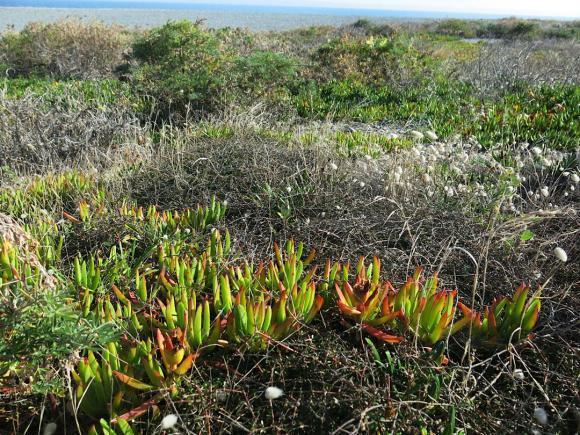
The idea of evolutionary imbalance when it comes to invasive species is not new, Charles Darwin articulated it. 

The concept is that species from regions with deep and diverse evolutionary histories are more likely to become successful invaders in regions with less deep, less diverse evolutionary histories. Darwin's original insight was that the more challenges a region's species have faced in their evolution, the more robust they'll be in new environments.

To predict the probability of invasiveness, ecologists
Dov Sax of Brown University and Jason Fridley of Syracuse University

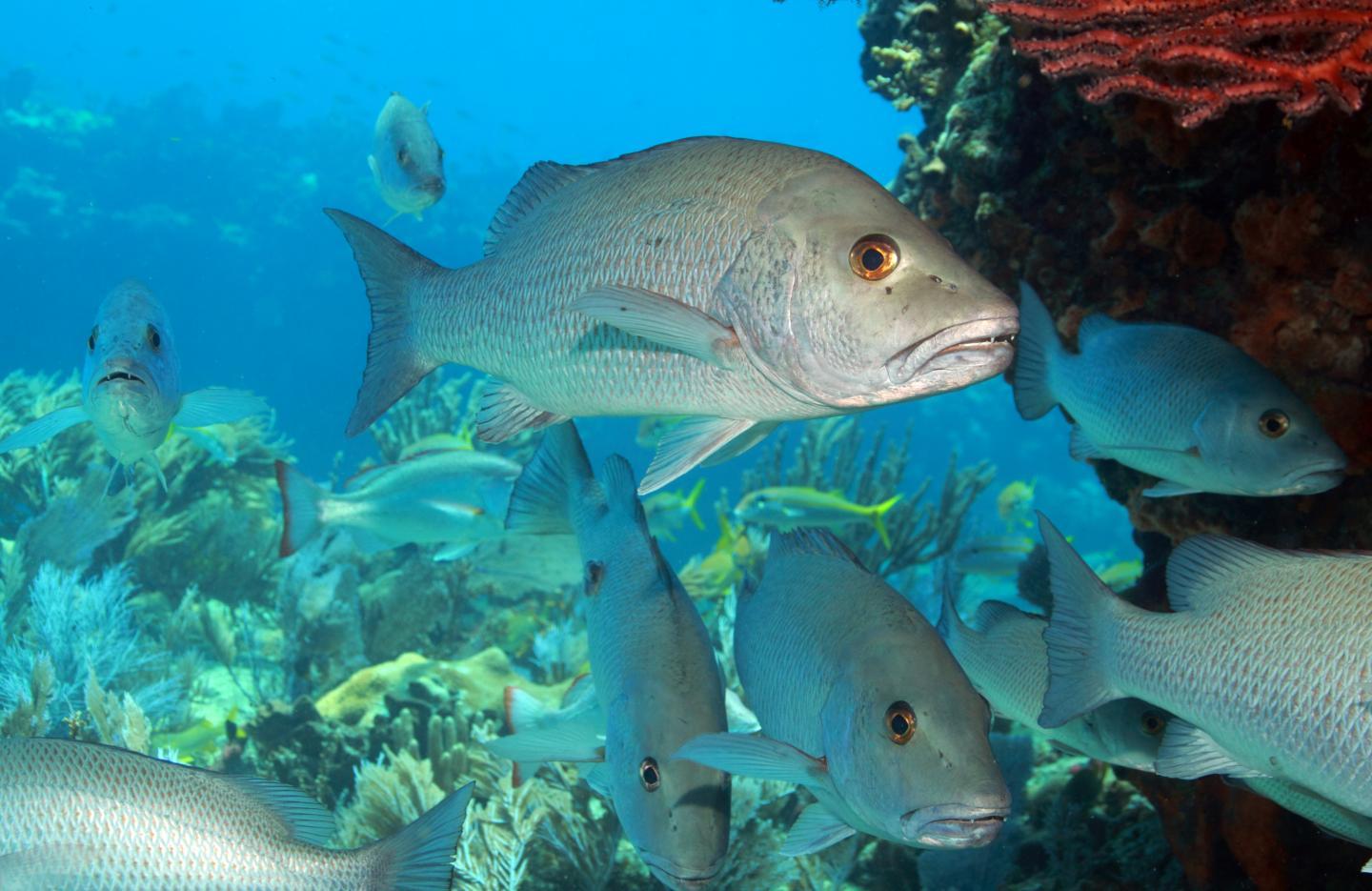
Researchers recently used audio and video recording tools to record larval orientation behavior in the pelagic environment. 

In their field experiment, the scientists put the recording devices i a drifting in situ chamber called DISC  near Fowey Rocks lighthouse in the northern Florida Keys. In total 58 deployments were conducted, 27 during the day and 31 at night. The team also recorded sounds in a laboratory setting to confirm that the sounds observed in the field were from gray snapper larvae. The researchers also referred to the public sound archive at the Macaulay Library to compare the larval sounds to those produced by adult L. griseus.