Banner
Why Antarctic Sea Ice Stopped Growing In 2015

Though numerical models and popular films like An Inconvenient Truth projected Arctic ice...

Wealth Correlated To Loneliness

You may have read that Asian cultures respect the elderly more than Europe but Asian senior citizens...
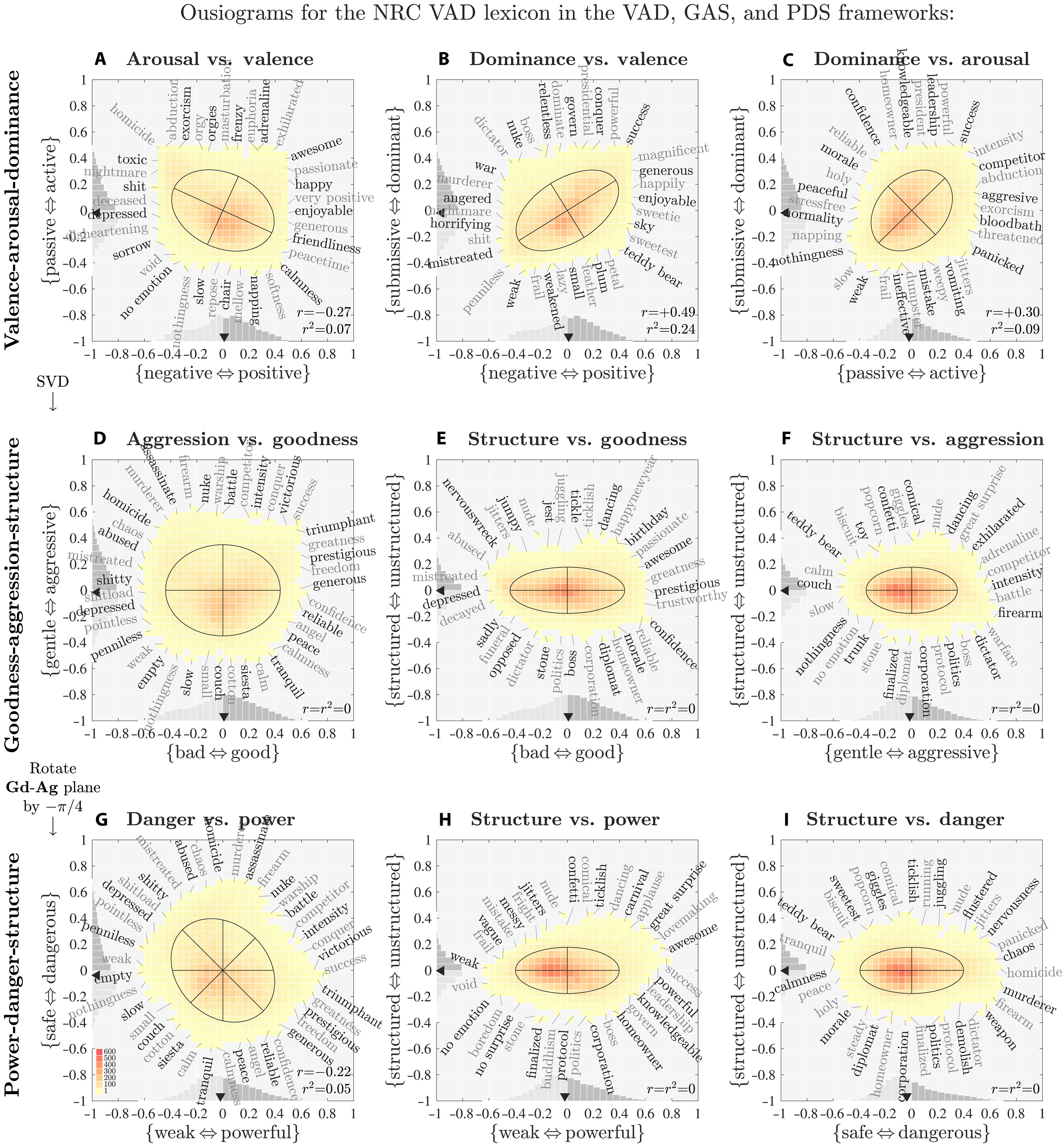
Ousiometrics Analysis Says All Human Language Is Biased

A new tool drawing on billions of uses of more than 20,000 words and diverse real-world texts claims...

Wavelengths Of Light Are Why CO2 Cools The Upper Atmosphere But Warms Earth

There are concerns about projected warming on the Earth’s surface and in the lower atmosphere...

User picture.
News StaffRSS Feed of this column.

News Releases From All Over The World, Right To You... Read More »

Blogroll

Artifacts from a 325,000-year-old site in Armenia finds that human technological innovation occurred intermittently throughout the Old World, rather than spreading from a single point of origin (usually hypothesized as Africa), as previously thought. 

Electricity and magnetism rule our digital world but they are really 19th century advancements still being optimized in the 21st.

In our current scheme, semiconductors process electrical information while magnetic materials enable long-term data storage but research team has discovered a way to fuse these two distinct properties in a single material.

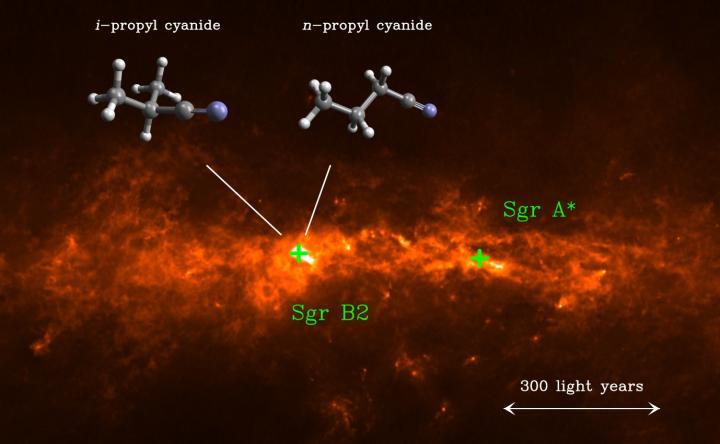
Scientists have time detected a carbon-bearing molecule with a "branched" structure in interstellar space.

The molecule, iso-propyl cyanide (i-C3H7CN), was discovered in the giant gas cloud Sagittarius B2, a region of ongoing star formation close to the center of our galaxy that is a hot-spot for molecule-hunting astronomers.

If good things come in small packages, then nanoparticles are going to make engineers very happy.

The National Institute of Standards and Technology (NIST) recently issued Reference Material (RM) 8027, the smallest known reference material ever created for validating measurements of these man-made, ultra-fine particles between 1 and 100 nanometers (billionths of a meter) in size.

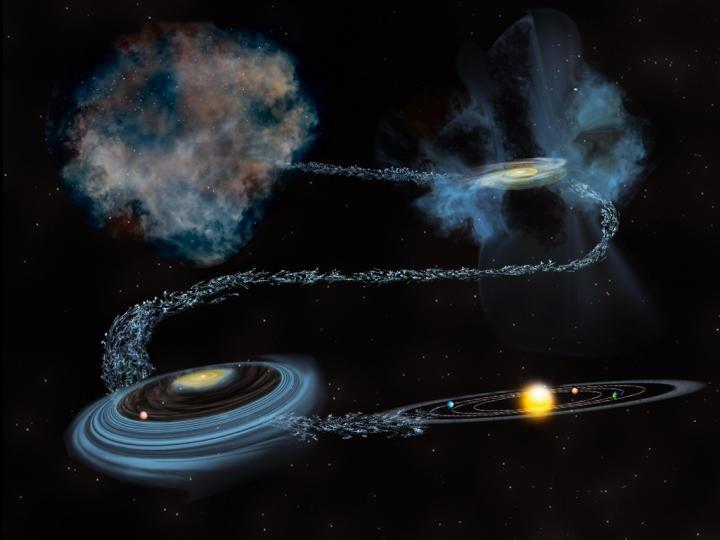
It's no surprise that water was crucial to the formation of life on Earth. What may surprise you is that water on earth is older than the sun itself.

Identifying the original source of Earth's water is key to understanding how life-fostering environments came into being and how likely they are to be found elsewhere. A new paper in Science says that much of our Solar System's water likely originated as ices that formed in interstellar space. Water is found throughout the Solar System, not just on Earth; on icy comets and moons, and in the shadowed basins of Mercury and in mineral samples from meteorites, the Moon, and Mars. 

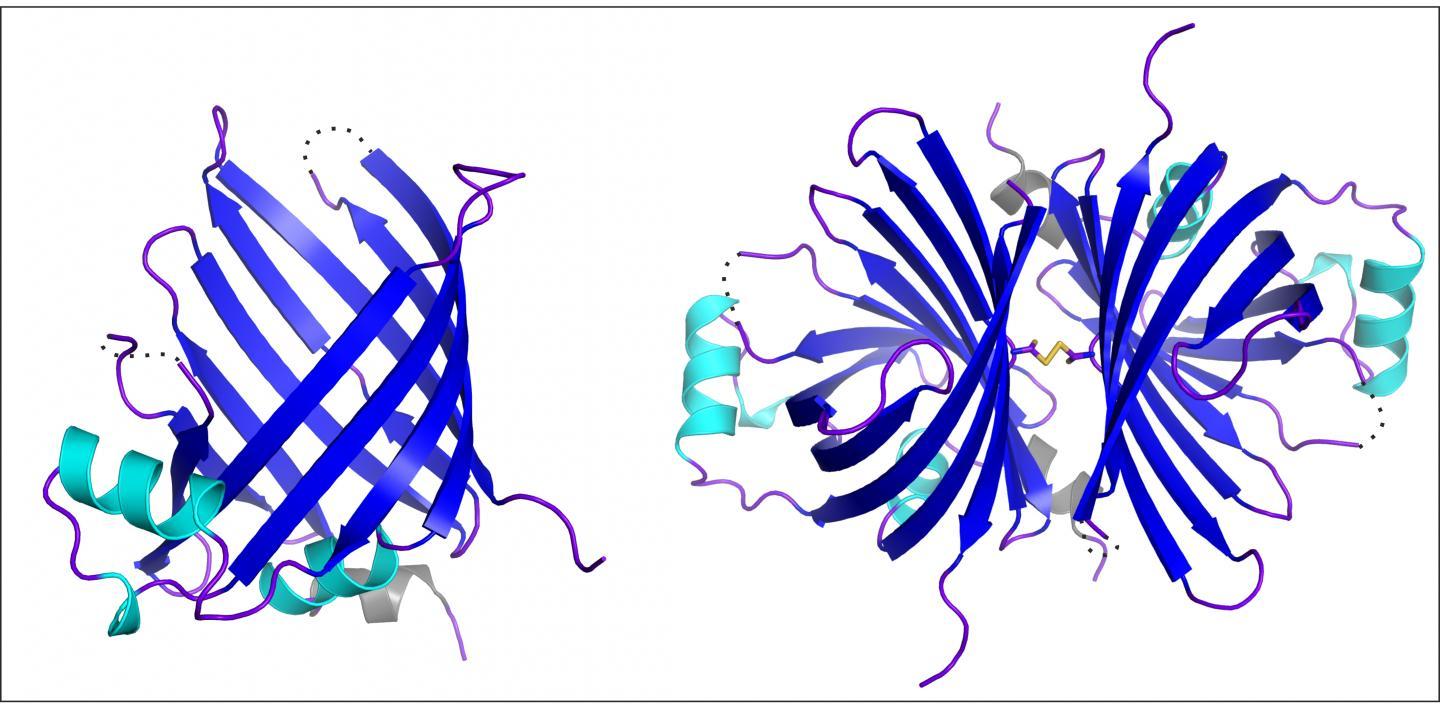
A team of researchers headed by Prof Dr. Nicole Frankenberg-Dinkel at Ruhr-University Bochum have revealed similarities and differences in the assembly of the light-harvesting machinery of the cryptophyte Guillardia theta compared to cyanobacteria and red algae.

Cryptophytes: Matryoshka dolls of the waters