Banner
Why Antarctic Sea Ice Stopped Growing In 2015

Though numerical models and popular films like An Inconvenient Truth projected Arctic ice...
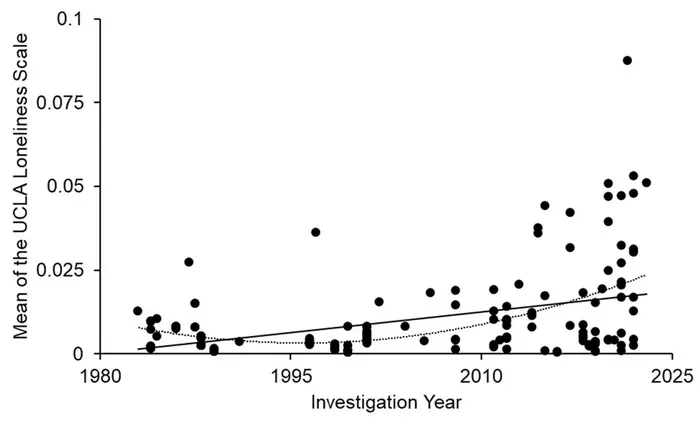
Wealth Correlated To Loneliness

You may have read that Asian cultures respect the elderly more than Europe but Asian senior citizens...

Ousiometrics Analysis Says All Human Language Is Biased

A new tool drawing on billions of uses of more than 20,000 words and diverse real-world texts claims...

Wavelengths Of Light Are Why CO2 Cools The Upper Atmosphere But Warms Earth

There are concerns about projected warming on the Earth’s surface and in the lower atmosphere...

User picture.
News StaffRSS Feed of this column.

News Releases From All Over The World, Right To You... Read More »

Blogroll

The appeal of artificial photosynthesis, in which the electrochemical reduction of carbon dioxide is used to produce clean, green and sustainable fuels, is that we can turn an atmospheric byproduct into a renewable energy technology.

However, finding a catalyst for reducing carbon dioxide that is highly selective and efficient has proven to be a huge scientific challenge.

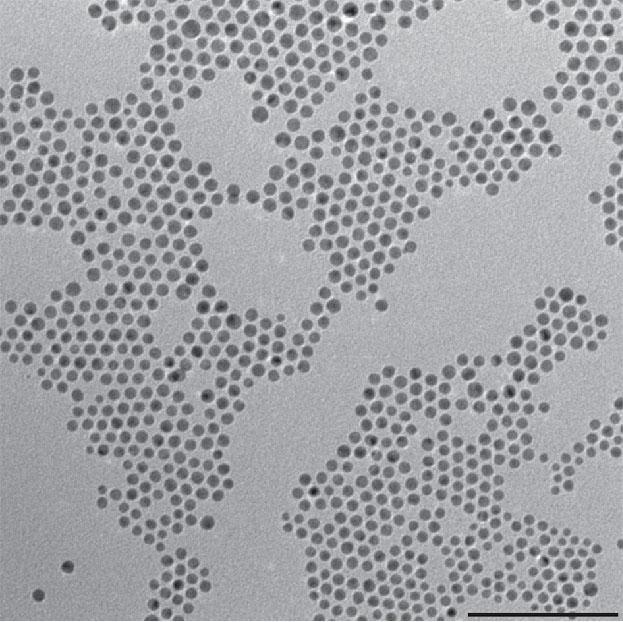
Peidong Yang, a chemist with Berkeley Lab's Materials Sciences Division, led a study in which bimetallic nanoparticles of gold and copper were used as the catalyst for the carbon dioxide reduction. The results experimentally revealed for the first time the critical influence of the electronic and geometric effects in the reduction reaction.

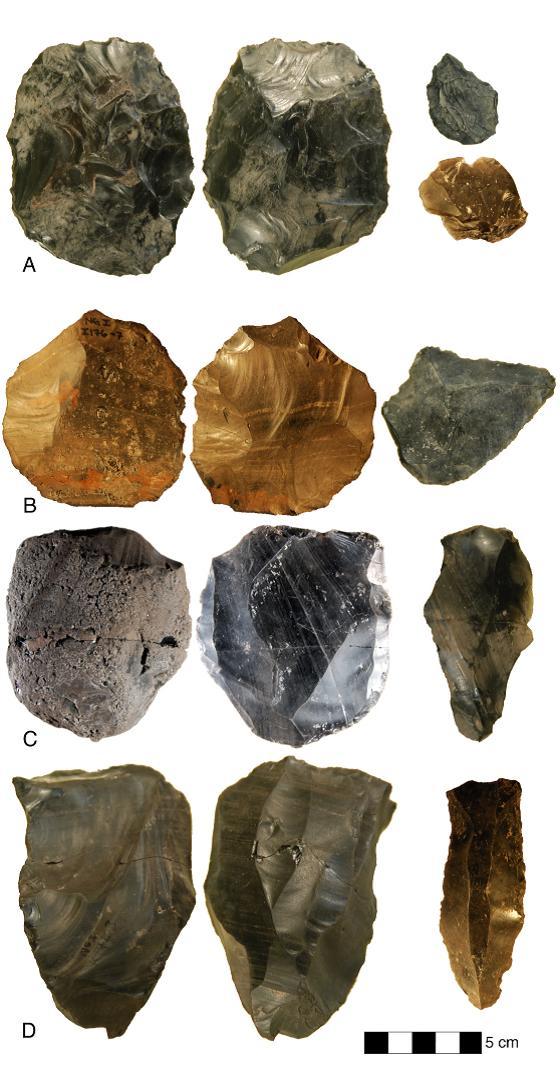
A new discovery of thousands of Stone Age tools has provided a major rethink about human innovation 325,000 years ago - and how early technological developments spread across the world. 

The researchers found evidence which challenges the belief that a type of technology known as Levallois – where the flakes and blades of stones were used to make useful products such as hunting weapons – was invented in Africa and then spread to other continents as the human population expanded.

They discovered at an archaeological site in Armenia that these types of tools already existed there between 325,000 and 335,000 years ago, suggesting that local populations developed them out of a more basic type of technology, known as biface, which was also found at the site.

Many of the choices we make are informed by experiences we've had in the past but we know that sometimes it is better to throw all that out and take a risk on something new.

Scientists at the Howard Hughes Medical Institute's Janelia Research Campus have shown that the brain can temporarily disconnect information about past experience from decision-making circuits, thereby triggering random behavior. 

Concrete is the world’s most-used construction material and thus a leading contributor to global warming, producing perhaps 10 percent of industry-generated greenhouse-gas emissions.

Industry is already reducing greenhouse emissions, such as by using more natural gas and less coal to generate cost-effective electricity, and a new suggests another low-impact way go green - reducing concrete emissions by more than half and getting a stronger, more durable material using science rather than rationing.

Mother Nature may be out to kill us but we shouldn't take it personally. She is out to kill everything. We just never noticed in the past. 

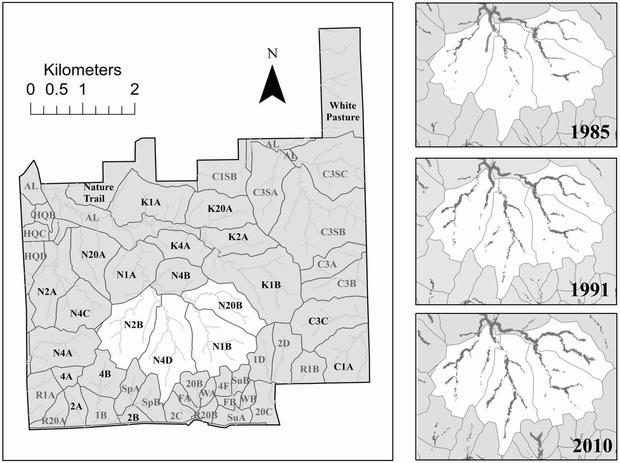
Today, thanks to long-term science projects, we can see how nature pits species off against each other. And biologists are studying streams to optimize how to prevent tallgrass prairies from turning into shrublands and forests.

People who practice yoga and meditation long term can learn to control a computer with their minds faster and better than people with little or no yoga or meditation experience, find biomedical engineers at the University of Minnesota writing in TECHNOLOGY.