Banner
Why Antarctic Sea Ice Stopped Growing In 2015

Though numerical models and popular films like An Inconvenient Truth projected Arctic ice...
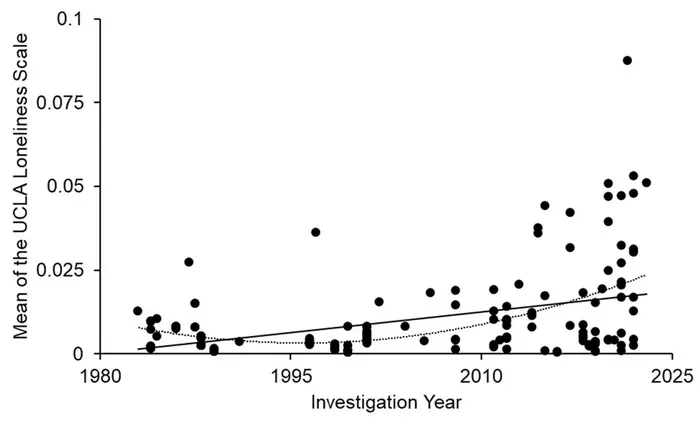
Wealth Correlated To Loneliness

You may have read that Asian cultures respect the elderly more than Europe but Asian senior citizens...
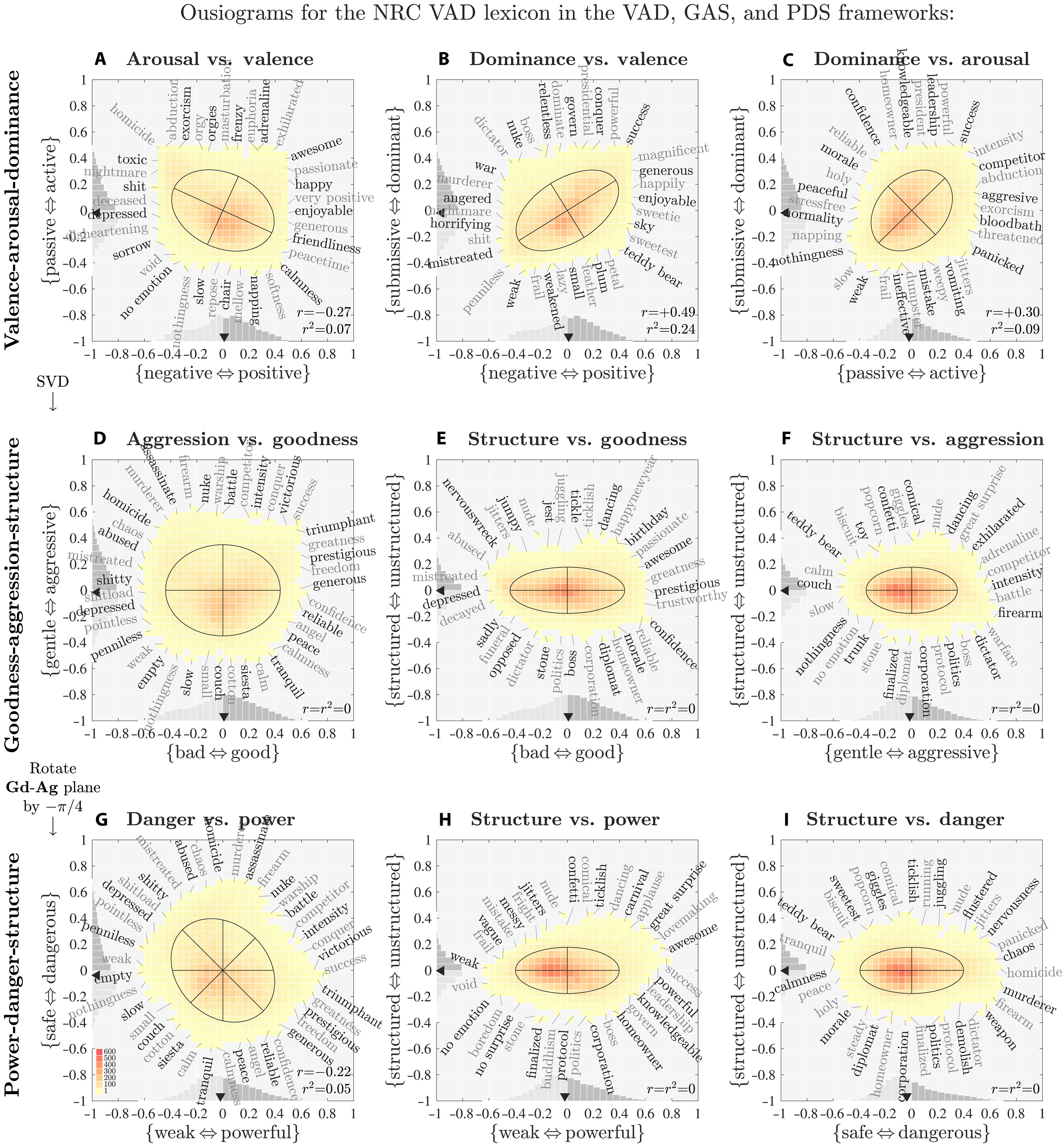
Ousiometrics Analysis Says All Human Language Is Biased

A new tool drawing on billions of uses of more than 20,000 words and diverse real-world texts claims...
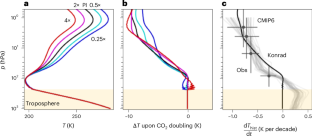
Wavelengths Of Light Are Why CO2 Cools The Upper Atmosphere But Warms Earth

There are concerns about projected warming on the Earth’s surface and in the lower atmosphere...

User picture.
News StaffRSS Feed of this column.

News Releases From All Over The World, Right To You... Read More »

Blogroll
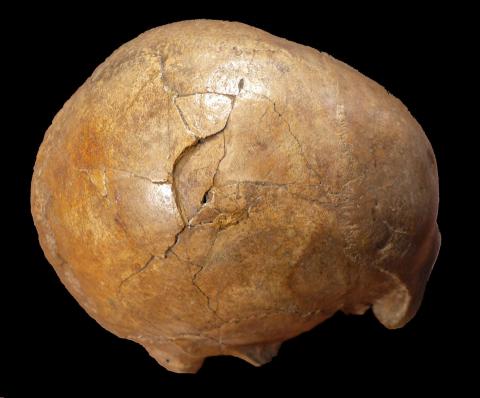
The fossilized skull of a Paleolithic adult man from around 33,000 years ago and known as the Cioclovina calvaria has been extensively studied. But there was controversy over trauma on the skull--specifically a large fracture on the right aspect of the cranium and whether that specific fracture occurred at the time of death or as a postmortem event.

Computer simulations using twelve synthetic bone spheres tested scenarios such as falls from various heights as well as single or double blows from rocks or bats. Along with these simulations, the authors inspected the fossil both visually and virtually using computed tomography technology.
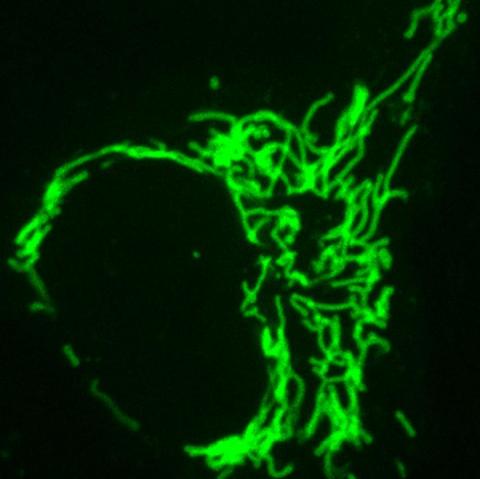
Our bodies can deploy biomolecules to find, tag and destroy invading pathogens. They work by binding to specific targets, called epitopes, on the surfaces of antigens - like locks to keys.

This selective tagging mechanism in natural antibodies has been valuable in engineering antibody-based probes that let them purify and study different types of proteins within cells. One technique, epitope tagging, involves fusing an epitope to a protein of interest and using fluorescently labeled antibodies to make those proteins visible - but only in fixed, dead cells.

Though numerical models don't always correlate with reality, a new paper states that the world can achieve a 2 degree Celsius climate-stabilizing goal and reach net-zero emissions by mid-century, without closing newer plants that, let's be honest, no country is going to close.

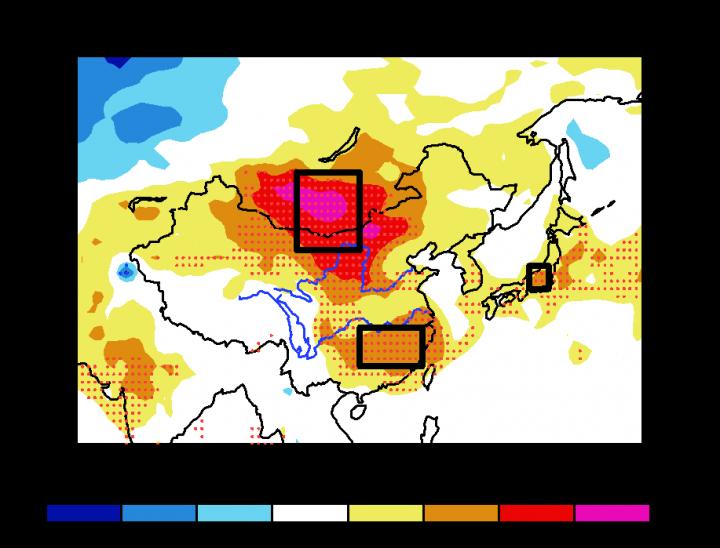
Changes in spring surface air temperature can vary widely and even impact socioeconomics in developing countries so it will be important to learn how to predict the variations of spring temperatures. However, the dynamics and predictability of East Asian temperatures during boreal spring are more challenging compared to those in the other seasons. 

Part of the difficulty is due to the spring predictability barrier. The predictive skill based on El Niño-Southern Oscillation decreases rapidly during boreal spring. For as long as climate change has been a concern El Niño has been considered a confounder.

A 65-year follow-up study of 6,883 patients with Multiple Sclerosis suggests they have a greater overall risk of developing cancer than the general population, with an especially high risk of cancer in respiratory organs, urinary organs and the central nervous system.

Multiple sclerosis is a lifelong disease that affects the central nervous system, especially the brain, spinal cord and optic nerves. It can lead to a wide range of symptoms, including problems with vision, arm or leg movement, sensation or balance. MS is one of the most common causes of disability in younger adults, and people with MS have on average 7 years shorter longevity.

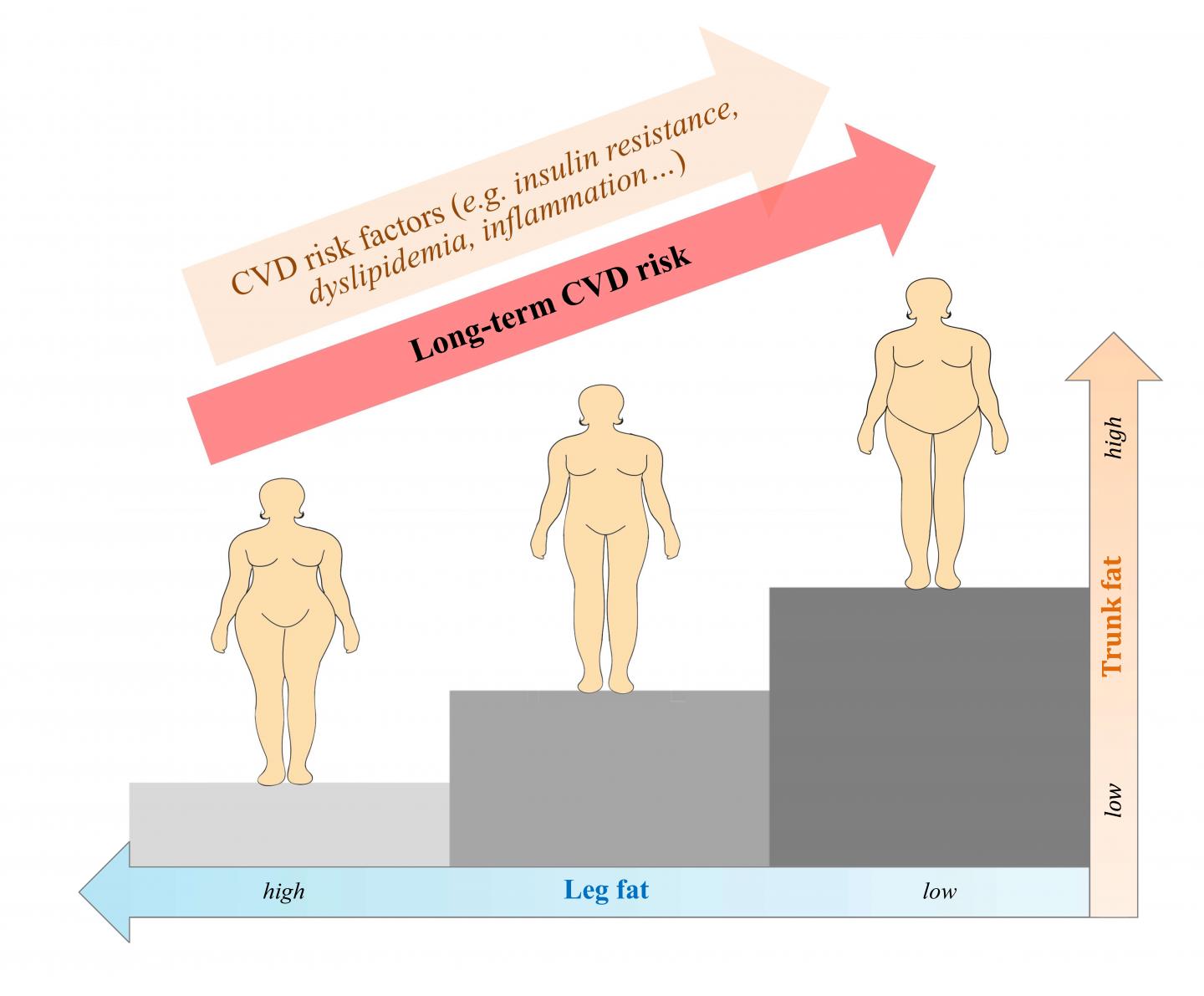
It's generally believed that if you are going to be heavy, pear-shaped (fatter) in the waist and legs) is better than apple (fat around the chest) and a new study validates that holds true for postmenopausal even if they are not heavy and have a normal, healthy body mass index (BMI).

That requires some context. BMI is a fine population-level metric but generally useless for individuals. If you have a high BMI but know you are fit, don't think you need to shed muscle mass to lose weight. 

In postmenopausal women, storing a greater proportion of body fat in the legs (pear-shaped) whether having high BMI or not was linked to a significantly decreased risk of cardiovascular disease.