Banner
Why Antarctic Sea Ice Stopped Growing In 2015

Though numerical models and popular films like An Inconvenient Truth projected Arctic ice...

Wealth Correlated To Loneliness

You may have read that Asian cultures respect the elderly more than Europe but Asian senior citizens...
Ousiometrics Analysis Says All Human Language Is Biased

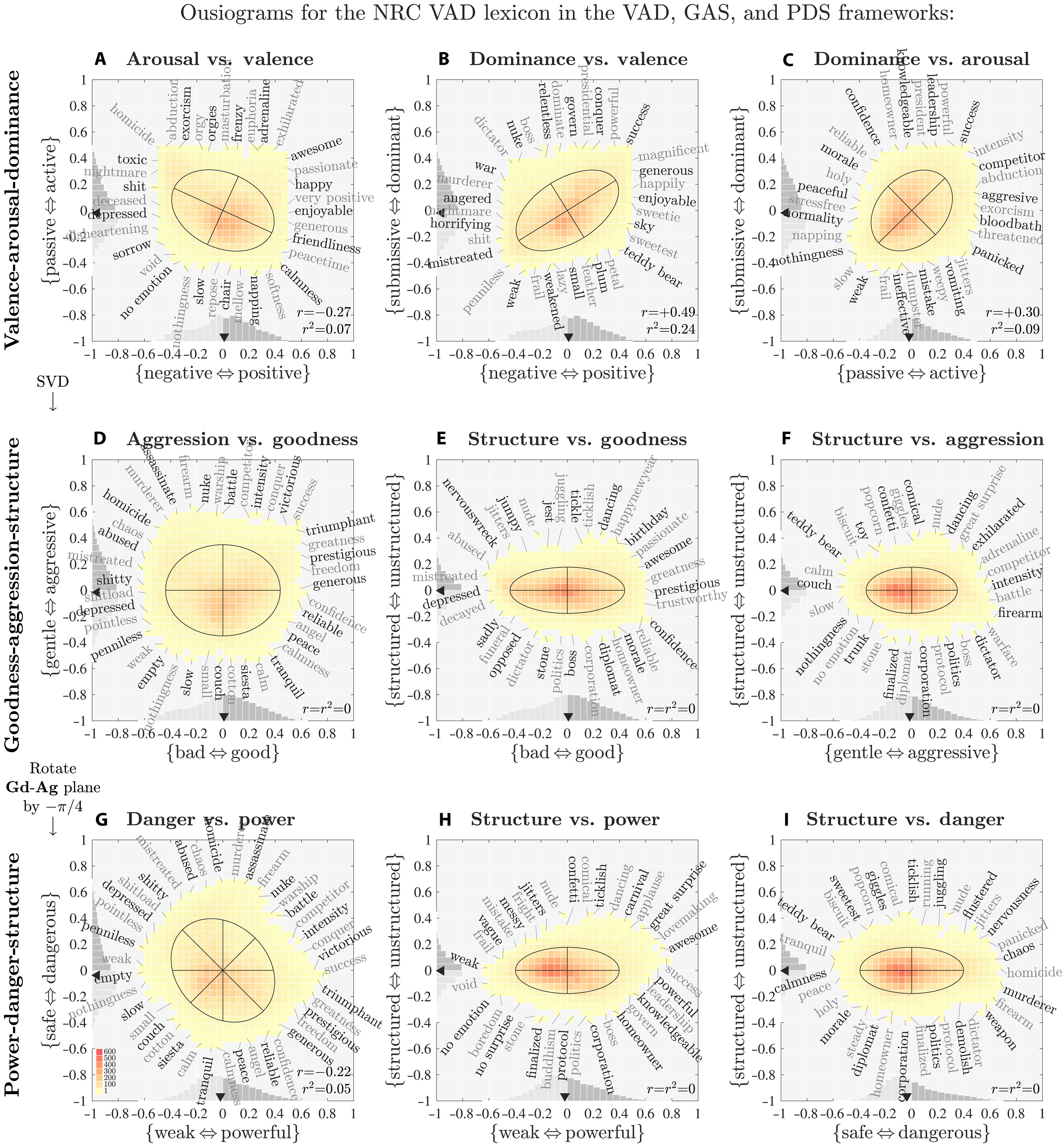
A new tool drawing on billions of uses of more than 20,000 words and diverse real-world texts claims...
Wavelengths Of Light Are Why CO2 Cools The Upper Atmosphere But Warms Earth

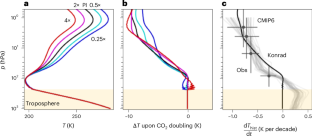
There are concerns about projected warming on the Earth’s surface and in the lower atmosphere...

User picture.
News StaffRSS Feed of this column.

News Releases From All Over The World, Right To You... Read More »

Blogroll
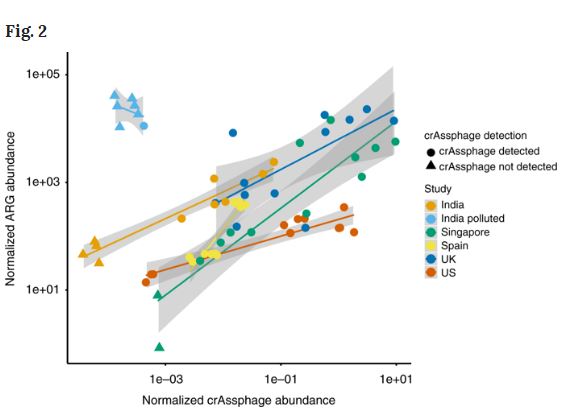
Fecal pollution can explain a lot of the increase in resistant bacteria where humans live, but not all of it. In some cases resistance genes were common without the presence of “crAssphage”, a bacteriophage common in human feces  - environments polluted with high levels of antibiotics from manufacturing, according to a new paper.

As European science-related institutions, such as the European Research Council, have shown their growing preference for Open Access, e.g., via the Plan S, the primary rationale for this is the positive effect on the discovery of new knowledge that various models of Open Access can be expected to have.

An ancient genetic mechanism needed for plant fertility is helping to solve a science mystery 700 million years in the making.

The researchers discovered how a gene called DUO1 known to control sperm production inside pollen grains of flowering plants, is also used by primitive land plants to produce free-swimming sperm. They found that the gene originated in the stoneworts, an ancient group of aquatic algae that diverged from land plants over 700 million years ago.

The paper suggests that it was a simple change in the DUO1 gene sequence that allowed the algal ancestors of land plants to produce small swimming sperm to increase the chances of fertilization in an aquatic environment.
Medicine is not going to be enough. That was the first lesson that the world learned when Acquired Immune Deficiency Syndrome (AIDS) raged across cultures in the 1980s. Though its cause was learned to be Human Immunodeficiency Virus (HIV) its transmission was social. In some undeveloped countries, unprotected sex, infidelity, and sometimes even rape were points of pride. In wealthier nations, risky behavior in sub-cultures was touted as freedom.
The United States, and other countries with modern science and technology regulations, have enjoyed terrific boosts in yields, so great that food has become a cheap commodity, which has allowed for alternative processes (organic, shade tree, natural, etc.) to flourish by charging a premium.
Lacking clairvoyant technology as in "The Minority Report", predicting teen rape is impossible, but there are risk factors that can be warning signs. 

A group of sociologists conducted interviews with victims from their university, a two-year college and community sites serving low-income young women, including a county health clinic and a transitional living program, totaling 148 college-aged women between the ages of 18 and 24 who experienced partner violence in at least one prior relationship.