In 8,000 B.C., when there were only about 10 million people on the entire planet, the boom and bust of famine and feast and wondering when the next meal would be was already a cultural concern.
And so agriculture was created. Mankind set out to do genetic engineering, doing RNA Interference (RNAi) cereals, legumes, roots and tubers. They not only scientifically selected for larger fruits, uniform ripening and taste, they even turned dangerous natural foods into healthy ones.
Do Drosophila, commonly called fruit flies, have culture?
Culture, lasting changes in a group that cannot be ascribed to genetic or ecological variation, is obviously a human quality, and it may be found in other vertebrates like some other primates and birds. A new computer simulation says it may be in fruit flies also.
Fruit flies can learn and copy the sexual preferences of their conspecifics after observing them copulating. For a behavioral pattern to be deemed culturally transmitted, there are considered:
1) the behavior must be learned socially, which is to say by observing conspecifics,
2) be copied from older individuals,
3) be memorized over the long term,
A new paper in
Health, Risk&Society reports that
women concerned about breast cancer often go to "Dr. Google" first but how much they trust it varies - more educated women, for example, trust it more, while less educated women would rather see a doctor.
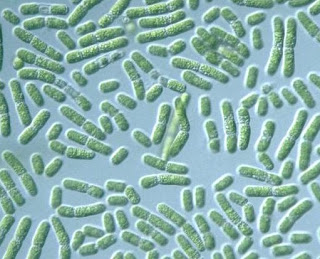
Oxygen in the Earth’s atmosphere is necessary for complex forms of life, which use it during aerobic respiration to make energy. The levels of oxygen dramatically rose in the atmosphere around 2.4 billion years ago, and speculation is that is when organisms called cyanobacteria, which perform the same type of organic photosynthesis that all plants do today, first evolved, and could perform oxygen-producing (oxygenic) photosynthesis.
Perhaps cyanobacteria could have evolved before 2.4 billion years ago but something prevented oxygen from accumulating in the air.
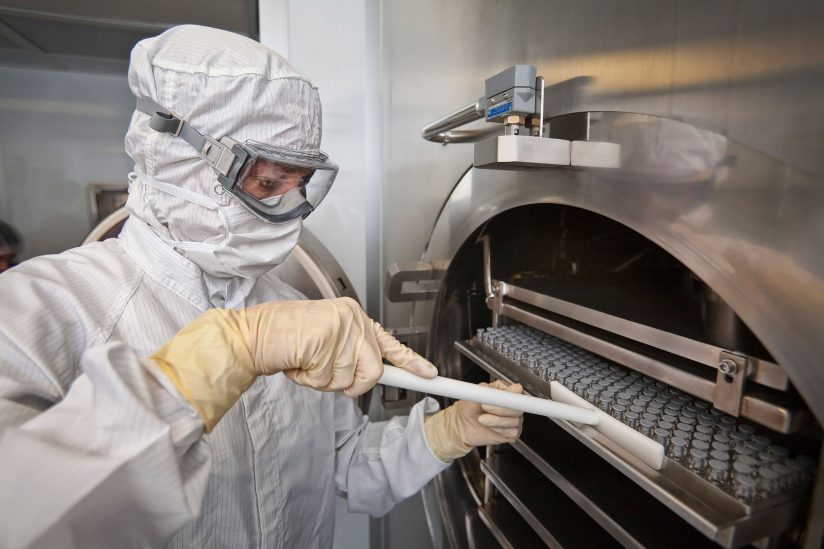
A polio vaccine that doesn't require refrigeration could be used all over the world, and that would bring an end to the devastating disease.
With just 22 reported cases worldwide in 2017, the highly infectious disease, which causes lifelong paralysis and disability mostly in young children, is on the brink of complete eradication. Yet in Nigeria, Papua New Guinea, Syria and Pakistan, countries where vaccination rates are spotty, young children remain at risk.
A biosynthetic pathway in bacteria includes a a carboxylase enzyme which adds CO2 to a precursor molecule, producing a highly unusual antibiotic called malonomycin.
Unchecked antibiotic resistance could result in an estimated 10 million deaths every year by 2050, while guesses on cost to the global economy go as high as $70 trillion in lost productivity.
The researchers found that CO2 was introduced into the malonomycin structure, by a carboxylase enzyme that has never been characterized in bacteria before. Malonomycin carboxylase is most similar to a carboxylase enzyme in human cells which uses vitamin K to add CO2 to proteins in our bodies, triggering essential physiological responses including blood coagulation.


 Why Antarctic Sea Ice Stopped Growing In 2015
 Wealth Correlated To Loneliness
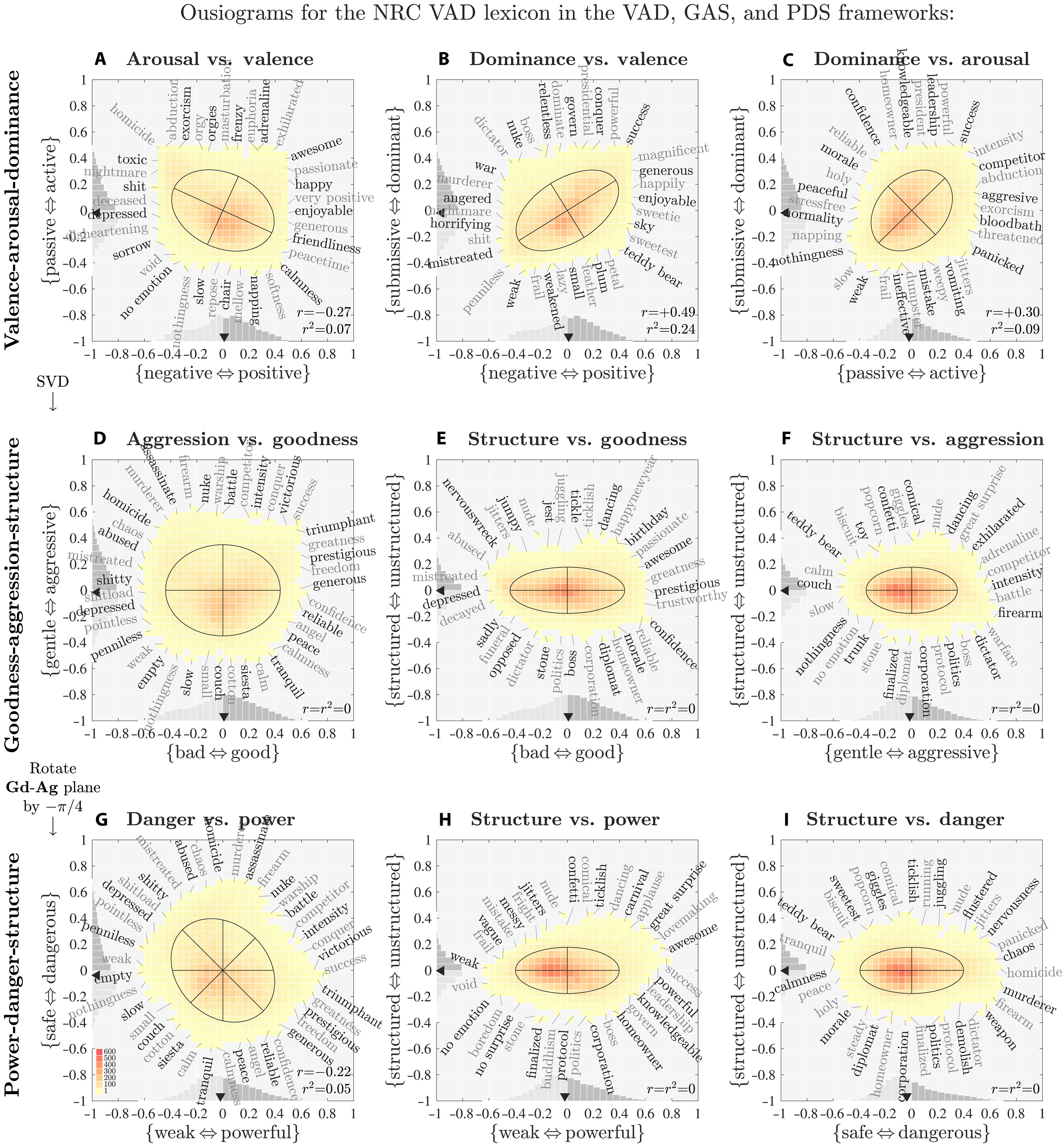 Ousiometrics Analysis Says All Human Language Is Biased
  Wavelengths Of Light Are Why CO2 Cools The Upper Atmosphere But Warms Earth