Banner
Why Antarctic Sea Ice Stopped Growing In 2015

Though numerical models and popular films like An Inconvenient Truth projected Arctic ice...
Wealth Correlated To Loneliness

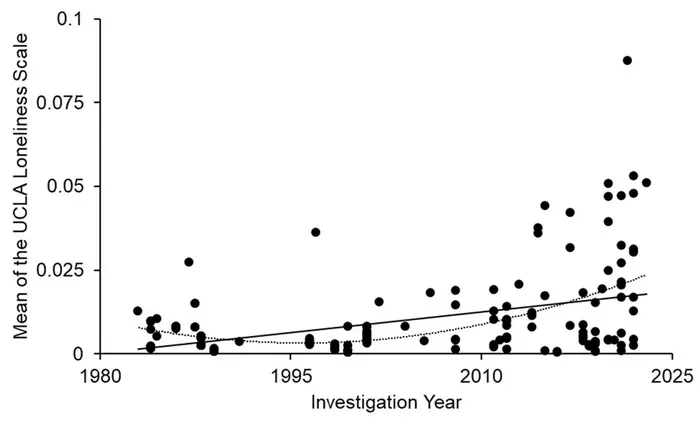
You may have read that Asian cultures respect the elderly more than Europe but Asian senior citizens...
Ousiometrics Analysis Says All Human Language Is Biased

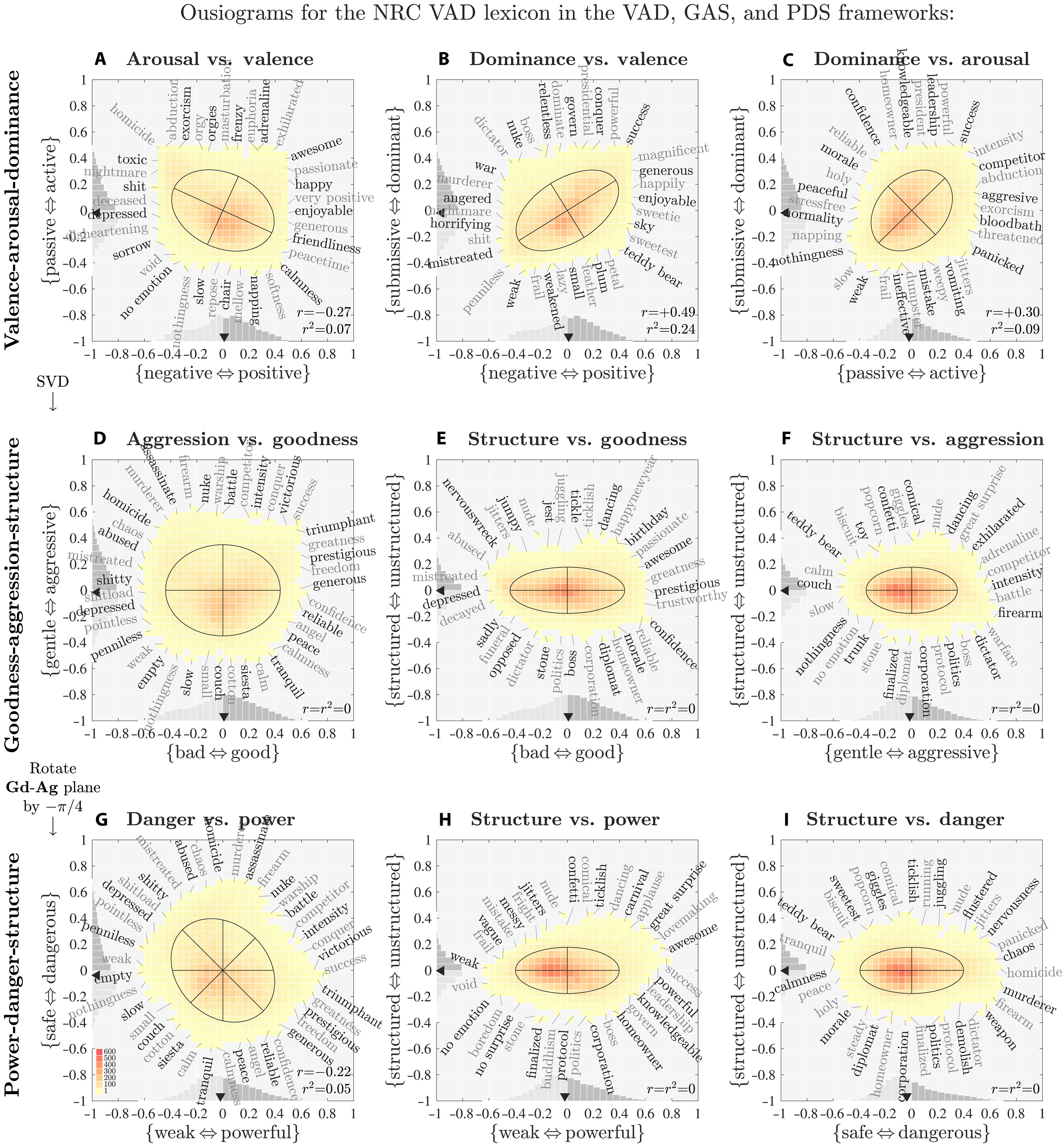
A new tool drawing on billions of uses of more than 20,000 words and diverse real-world texts claims...
Wavelengths Of Light Are Why CO2 Cools The Upper Atmosphere But Warms Earth

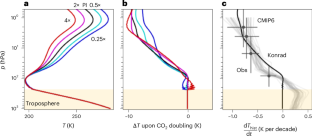
There are concerns about projected warming on the Earth’s surface and in the lower atmosphere...

User picture.
News StaffRSS Feed of this column.

News Releases From All Over The World, Right To You... Read More »

Blogroll

A team of scientists and engineers at The University of Texas at Austin has identified the first sensor of the Earth's magnetic field in an animal, finding in the brain of a tiny worm a big clue to a long-held mystery about how animals' internal compasses work.

Animals as diverse as migrating geese, sea turtles and wolves are known to navigate using the Earth's magnetic field. But until now, no one has pinpointed quite how they do it. The sensor, found in worms called C. elegans, is a microscopic structure at the end of a neuron that other animals probably share, given similarities in brain structure across species. The sensor looks like a nano-scale TV antenna, and the worms use it to navigate underground.

A hereditary autoimmune disease that was thought to be exceedingly rare may have a less severe form that affects one in 1,000 people or even more.

The results suggest that a number of different autoimmune diseases and syndromes may be tied to mutations in a single gene. Among other things, these findings, combined with other research in the Weizmann lab, may help provide new means of diagnosing and treating autoimmune disorders.
Richard Dawkins and Francis Collins have dramatically different roles when it comes to science. One is a science popularizer and extremely anti-religious while one runs the $30 billion National Institute of Health and is a religious believer, but also writes popular science editorials and uses Twitter.

Which one would you guess most people can name?

In the blockbuster "Jurassic World", actor Chris Pratt joins forces with a pack of swift and lethal velociraptors. "Velociraptor belongs to a group of predatory dinosaurs called the deinonychosaurs, or simply the 'raptors'," says University of Alberta paleontologist Scott Persons. "Raptors are characterized by particularly nasty feet. Their big toes each bore an enlarged and wickedly hooked talon, which makes raptors well suited for Hollywood fight scenes."

Persons and University of Alberta alumnus Lida Xing are part of the research team that has just documented a rich fossil footprint site in central China, which contains the tracks of several kinds of dinosaurs, including raptors. From these tracks, the team has gained new insights into raptor locomotion. 

Stem cells are especially sensitive to oxygen radicals and antioxidants shows new research from the group of Anu Wartiovaara in the Molecular Neurology Research Program of University of Helsinki.

Mitochondria are cellular power plants that use oxygen to produce energy. As a by-product they produce reactive oxygen. Excessive oxygen radicals may cause damage to cells but they are needed in small quantities as important cellular signaling molecules. One of their main functions is to control function of stem cells. Antioxidants are widely used to block the damage caused by reactive oxygen. To enhance their effect some new antioxidants are targeted to accumulate into mitochondria.

A new study in Addiction finds that in England, children's exposure to second-hand smoke has declined by approximately 80% since 1998. 

Also, an emerging social norm in England has led to the adoption of smoke-free homes not only when parents are non-smokers but also when they smoke. The proportion of children living in a home reported to be smoke-free increased from 63% in 1998 to 87.3% in 2012.