
Banner
Why Antarctic Sea Ice Stopped Growing In 2015

Though numerical models and popular films like An Inconvenient Truth projected Arctic ice...
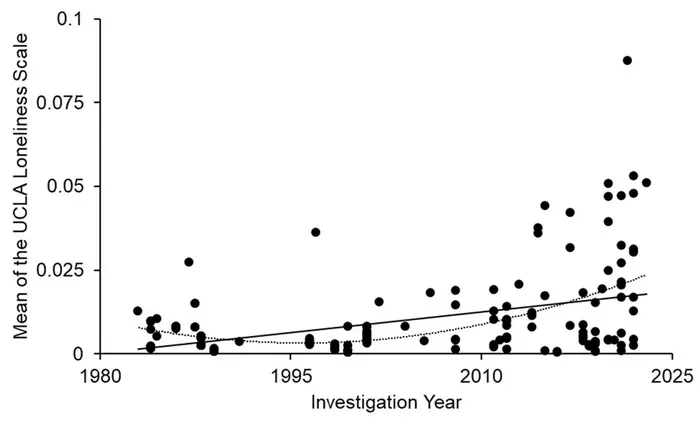
Wealth Correlated To Loneliness

You may have read that Asian cultures respect the elderly more than Europe but Asian senior citizens...
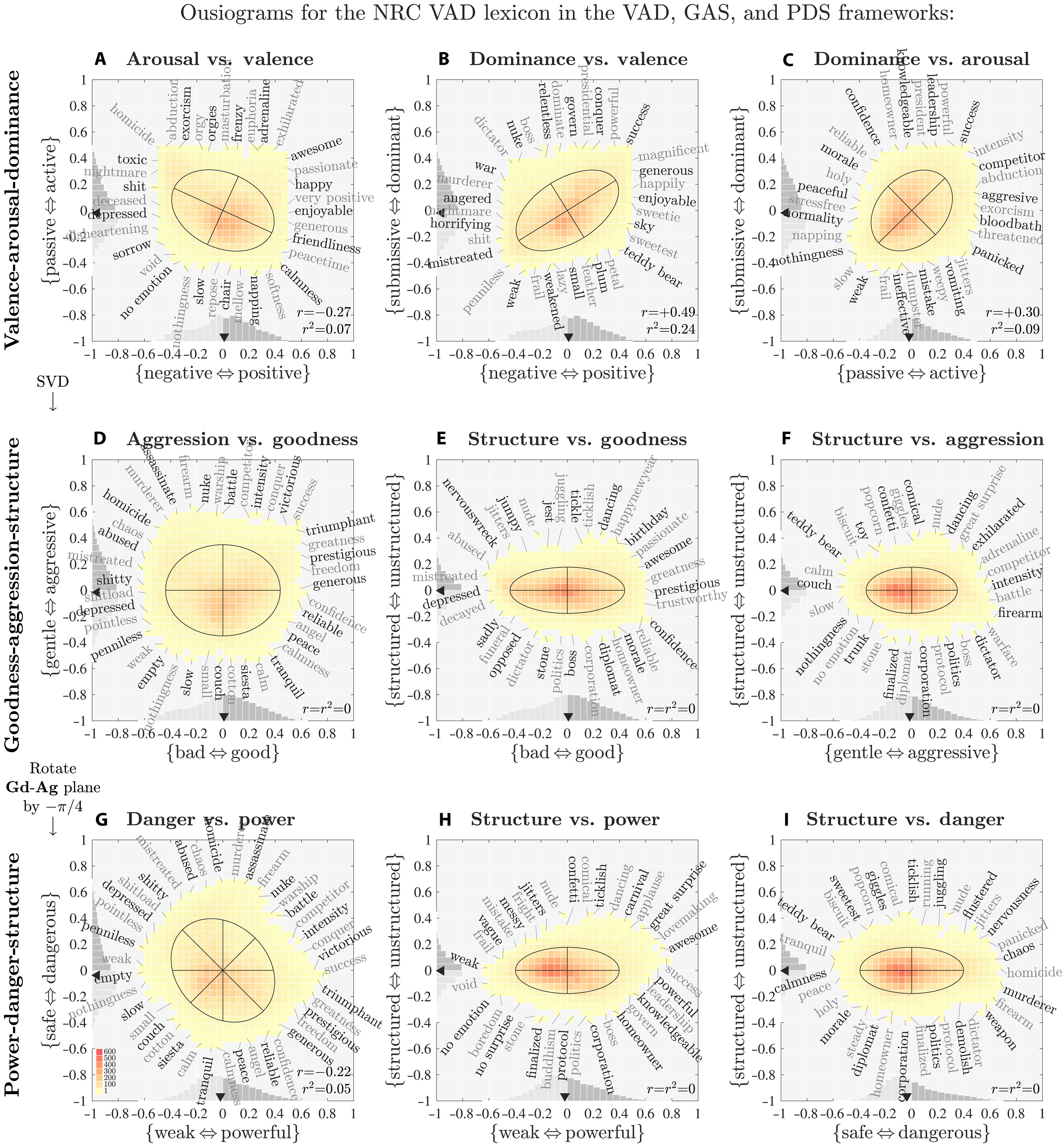
Ousiometrics Analysis Says All Human Language Is Biased

A new tool drawing on billions of uses of more than 20,000 words and diverse real-world texts claims...
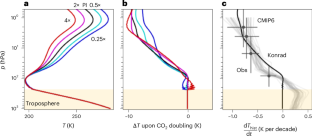
Wavelengths Of Light Are Why CO2 Cools The Upper Atmosphere But Warms Earth

There are concerns about projected warming on the Earth’s surface and in the lower atmosphere...

User picture.
News StaffRSS Feed of this column.

News Releases From All Over The World, Right To You... Read More »

Blogroll

Randomized controlled trials must be simplified to sustain innovation in cardiovascular diseases, which are still the biggest killer in Europe, according to the Cardiovascular Round Table (CRT), an independent forum established by the European Society of Cardiology and comprised of cardiologists and representatives of the pharmaceutical, device and equipment industries. 

The paper outlines barriers to investing in cardiovascular research and the authors recommend new ways to conduct clinical research to make investment more attractive and bring drugs to market sooner.

Woodlice are able to calm their excited neighbors according to findings made by Pierre Broly and Jean-Louis Deneubourg of the Free Brussels University (Belgium).

Woodlice, familiar to the amateur gardeners, are easily observable living in groups sheltered under stones or barks. Research published in PLOS Computational Biology shows how a 'contagion' between the different behavioral states of woodlice may govern the stability of their groups.

Regions all over the globe are suffering from severe drought, which threatens crop production worldwide. This is especially worrisome given the need to increase, not just maintain, crop yields to feed the increasing global population.

Over the course of evolution, plants have developed mechanisms to adapt to periods of inadequate water, and as any gardener can tell you, some species are better able to handle drought than others. Accordingly, scientists have invested much effort to understand how plants respond to drought stress and what can be done to increase the drought tolerance of economically important plants.

A team of researchers from Brazil and Canada has found a South American example of interactions between a group of flies and the mushrooms they feed on as larvae. Though this group of flies has more than 1,100 species known from South and Central America, this is the first report of a species from the family being reared from, and associated with, a host fungus from the South America.

Even with the large amount of recent research on South American biodiversity, there are still large areas of study that remain unexplored. The natural history and diversity of the mushroom eating fauna (i.e., fungivores) in the region falls into this category.

In the developed world, companies want to make food as delicious as possible and consumers want to buy what tastes good. To compensate for nutritionist concerns about sugar, artificial sweeteners began to be used.

But then there was speculation that since artificial sweeteners don't contain the calories or energy that evolution has trained the brain to expect from sweet-tasting foods, they don't fool the brain into satisfying hunger.

The increasing use of video games is often blamed for children's lack of interest in physical activity and for obesity, but a study in the Games for Health Journal suggests that active video games may actually be a source of moderate or intense physical activity in children five to eight years old. The U.S. Department of Health and Human Services recommends that children participate in at least 60 minutes of moderate- to vigorous-intensity physical activity each day.






