Banner
Why Antarctic Sea Ice Stopped Growing In 2015

Though numerical models and popular films like An Inconvenient Truth projected Arctic ice...

Wealth Correlated To Loneliness

You may have read that Asian cultures respect the elderly more than Europe but Asian senior citizens...

Ousiometrics Analysis Says All Human Language Is Biased

A new tool drawing on billions of uses of more than 20,000 words and diverse real-world texts claims...

Wavelengths Of Light Are Why CO2 Cools The Upper Atmosphere But Warms Earth

There are concerns about projected warming on the Earth’s surface and in the lower atmosphere...

User picture.
News StaffRSS Feed of this column.

News Releases From All Over The World, Right To You... Read More »

Blogroll

Scientists have found that a drug candidate with anticancer potential can be activated by one of the body's natural responses to cellular stress.

Once activated, the agent can kill prostate cancer cells.

The study highlights the potential of the natural compound called leinamycin E1 (LNM) for development as a "prodrug," a medication converted through a metabolic process in the body to become an active therapy.

A study of parental age and autism risk including 
5.7 million children in five countries
found increased autism rates among the children of teen moms and among children whose parents have relatively large gaps between their ages. It also confirmed that older parents are at higher risk of having children with autism. 

Though previous studies identified a link between advancing parental age and autism risk, many aspects of the association remained unclear. For example, some studies found increased risk with older dads but not moms. The goal of the new study was to determine whether advancing maternal or paternal ages independently increase autism risk, and to what extent each might do so.

Imaging lung cancer requires both precision and innovation and clinical positron emission tomography (PET) imaging reates advanced whole-body parametric maps, which allow quantitative evaluation of tumors and metastases throughout the body, according to research announced at the 2015 Annual Meeting of the Society of Nuclear Medicine and Molecular Imaging (SNMMI). 

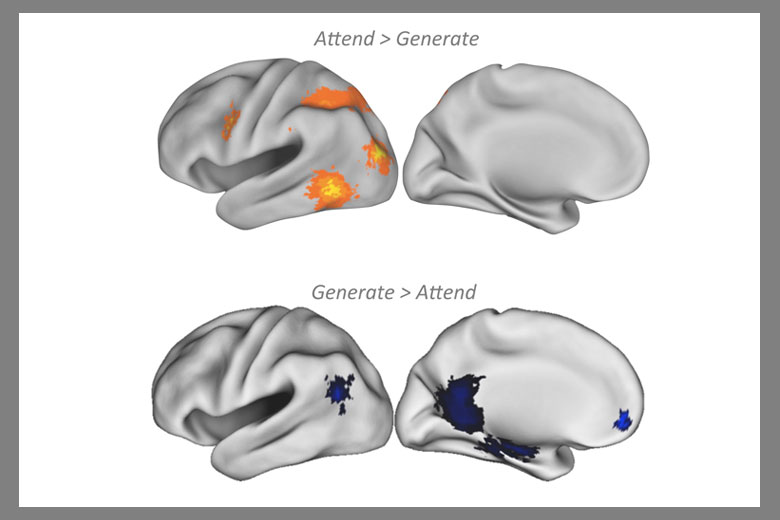
Real-time brain scans coupled with a machine-learning algorithm can reveal whether a person has memory of a particular subject, but with a little bit of concentration people can easily hide their memories from the computer.

Memory is obviously important, in areas like eyewitness testimony, medicine and even marketing. Programs that can read a person's brain scan data and surmise whether that person is experiencing a memory could be important for those reasons.

But with just a little bit of coaching and concentration, subjects are easily able to obscure real memories, or even create fibs that look like real memories, on brain scans. For cooperative subjects, things are good, but for high-stakes situations knowing they can be spoofed is important.

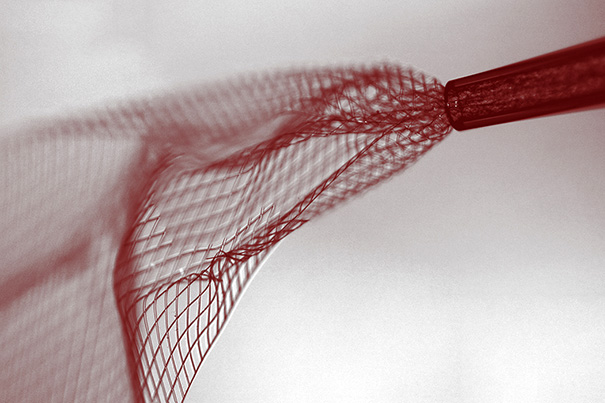
Electronic devices that can be injected directly into the brain, or other body parts, have been a staple of science fiction for decades - and they seem a little closer to reality if you visit Charles Lieber's chemistry lab at Harvard. 

A team of international researchers, led by Lieber, has developed a method for fabricating nano-scale electronic scaffolds that can be injected via syringe. Once connected to electronic devices, the scaffolds can be used to monitor neural activity, stimulate tissues and even promote regenerations of neurons.  

In collaboration with the United States Department of Agriculture, the University of the Basque Country Department of Analytical Chemistry has identified the volatile compounds in damaged walnuts that insects find attractive and which is threatening the harvests of these nuts in California.

These are the first studies carried out on walnuts which are designed to specify the components of the aroma and which can be used to control the moth pests in the most sustainable way, besides helping to cut the use of pesticides and control agents.