Banner
Why Antarctic Sea Ice Stopped Growing In 2015

Though numerical models and popular films like An Inconvenient Truth projected Arctic ice...
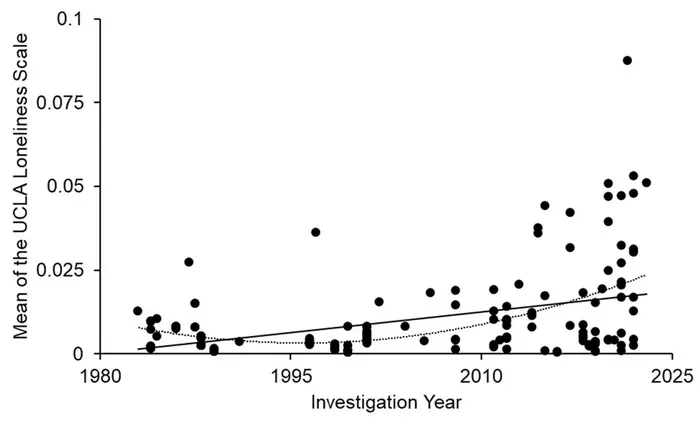
Wealth Correlated To Loneliness

You may have read that Asian cultures respect the elderly more than Europe but Asian senior citizens...
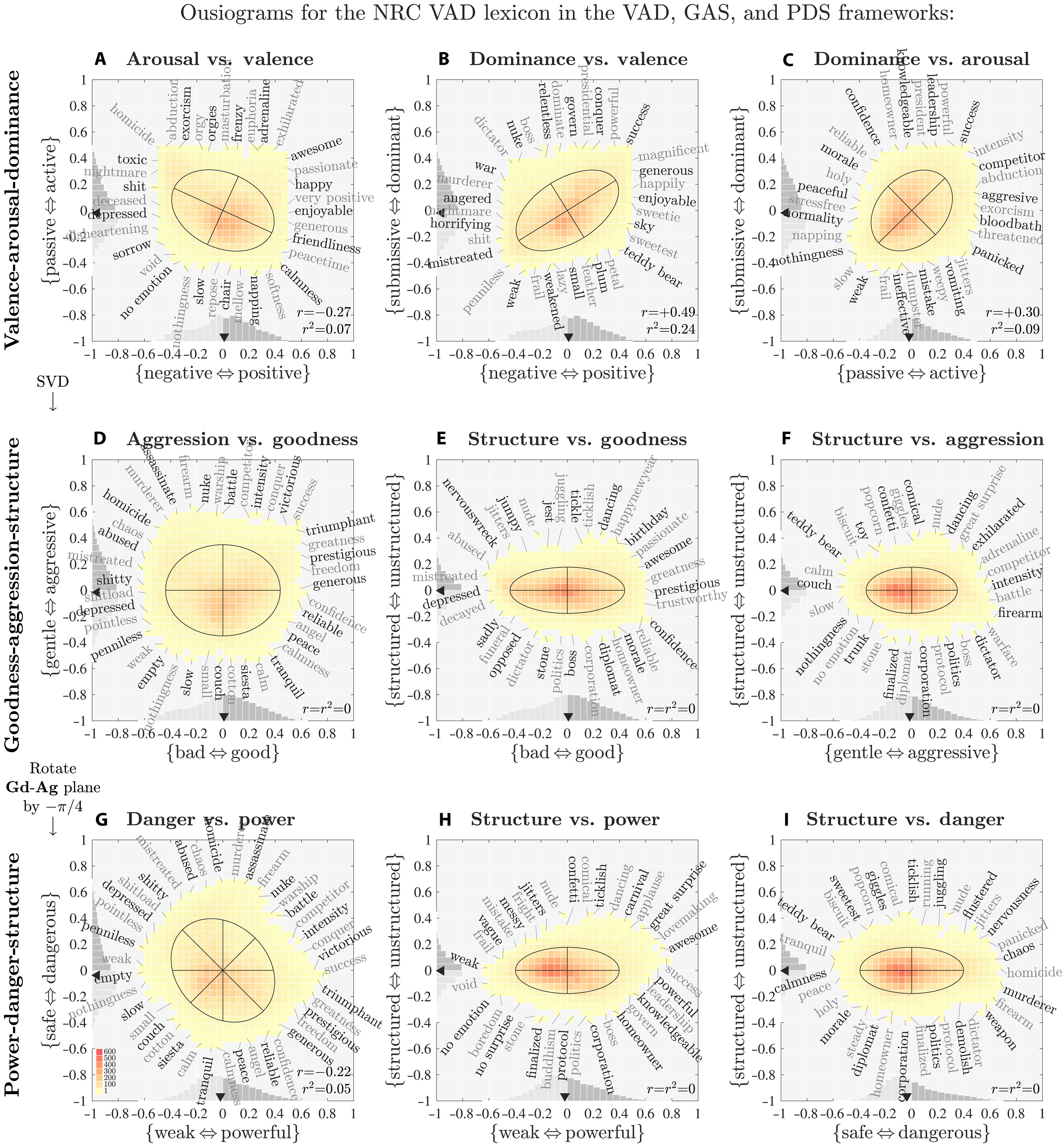
Ousiometrics Analysis Says All Human Language Is Biased

A new tool drawing on billions of uses of more than 20,000 words and diverse real-world texts claims...

Wavelengths Of Light Are Why CO2 Cools The Upper Atmosphere But Warms Earth

There are concerns about projected warming on the Earth’s surface and in the lower atmosphere...

User picture.
News StaffRSS Feed of this column.

News Releases From All Over The World, Right To You... Read More »

Blogroll

Until now, de novo genetic mutations, alterations in a gene found for the first time in one family member, were believed to be mainly the result of new mutations in the sperm or eggs (germline) of one of the parents and passed on to their child.

Researchers from The Netherlands have now succeeded in determining that at least 6.5% of de novo mutations occur during the development of the child (post-zygotic) rather than from the germline of a parent.  

A daily sugar-sweetened beverage habit may increase the risk for non-alcoholic fatty liver disease (NAFLD).

Patient safety, whistleblowing and public inquiry have a long historical legacy - but with mixed results.

Yet lessons from the past can inform current medical practice and help maintain a safe environment for patients and that will be the topic addressed by 20 health organizations who will be convening at the University of Leicester on June 11th to discuss how old patterns of patient safety and historical complaints against doctors are still being replicated in the modern welfare system – and what lessons can be learned by looking to our medical past. 

The General Medical Council (GMC) has launched a consultation this year, which will place patient safety at the heart of medical education and training across the UK.

For being so small, fruit flies have had a large impact on genetic research. Thomas Werner, an assistant professor of biological sciences at Michigan Technological University, has bridged the miniscule and the massive in an effort to better understand the mechanisms behind several unique features of fruit fly genes.

Over the past week, several studies that Werner co-authored have been published in PLoS ONE, the Proceedings of the National Academy of Sciences, and Nature Education. All are linked by Drosophila--a genus of fruit flies--and the insights that fruit fly genetics provide on human health, specifically cancer-causing genes.

A case study reports on a young woman who gave birth to a healthy child after doctors restored her fertility by transplanting ovarian tissue that had been removed and frozen while she was a child. 

There have been reports of successful pregnancies after ovarian transplantation using tissue that had been removed from patients as adults but this is the first successful instance using tissue taken from girls before puberty.

The Global Sanitation Fund's latest Progress Report details how support for nationally-led programs has helped 7 million people in over 20,500 communities become open-defecation free, improved toilets for 4.2 million people and seen eight million people gain access to hand-washing facilities. The governments of Australia, Finland, the Netherlands, Sweden, Switzerland and the United Kingdom contributed.

Established by WSSCC, the GSF funds large-scale behavior change activities to help poor people in the world's hardest-to-reach areas attain safe sanitation and adopt good hygiene practices. The community-led, government-backed activities support existing national efforts, uniting a diverse group of stakeholders to address deficiencies in access to sanitation and hygiene.