Banner
Why Antarctic Sea Ice Stopped Growing In 2015

Though numerical models and popular films like An Inconvenient Truth projected Arctic ice...

Wealth Correlated To Loneliness

You may have read that Asian cultures respect the elderly more than Europe but Asian senior citizens...

Ousiometrics Analysis Says All Human Language Is Biased

A new tool drawing on billions of uses of more than 20,000 words and diverse real-world texts claims...

Wavelengths Of Light Are Why CO2 Cools The Upper Atmosphere But Warms Earth

There are concerns about projected warming on the Earth’s surface and in the lower atmosphere...

User picture.
News StaffRSS Feed of this column.

News Releases From All Over The World, Right To You... Read More »

Blogroll

Teenage girls find female CEOs and military pilots to be better role models, but they like and feel more similar to women in careers like modeling and acting, say psychologists.

For the study, 100 girls and 76 boys ages 14 to 18 were shown photographs of model Heidi Klum, actress Jennifer Aniston, CEO Carly Fiorina and military pilot Sarah Deal Burrow. Klum and Aniston represented the appearance-focused careers (Aniston probably wasn't consulted on that, since she is clearly the best actress of the "Friends" cast) and Fiorina and Deal Burrow represented the non-appearance focused careers.

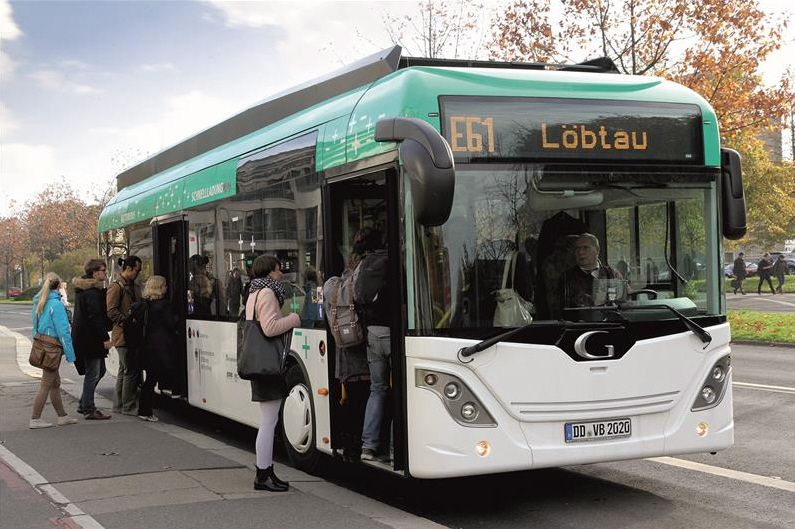
Electric vehicles are all the rage for wealthy elites but they have a more practical future benefit - mass transit, assuming the electricity source is low-emission like nuclear or solar. 

Right now, things like electric buses require more cost because of the maintenance and downtime. They take huge batteries, which means when those die off and they are placed into landfills we will replace global warming with acid rain. And to match gasoline's energy density would take a battery larger than could fit on a bus. 

The solution instead has to be much faster charging times. 
Passwords have to be complicated in order to keep them from being stolen but our reactions to words are subjective - and those could lead to the best security of all.

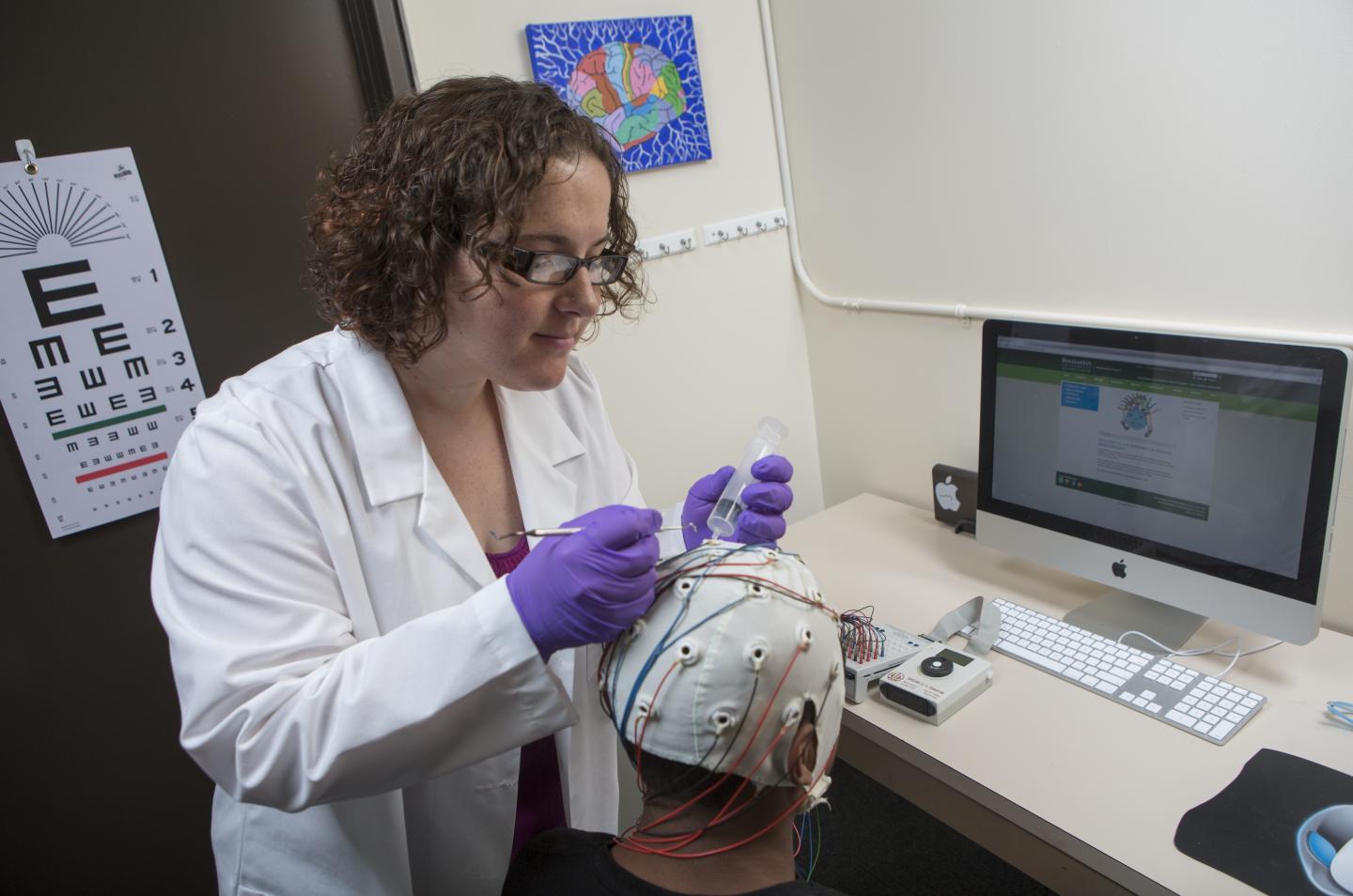
In a new study, researchers from Binghamton University observed the brain signals of 45 volunteers as they read a list of 75 acronyms, such as FBI and DVD. They recorded the brain's reaction to each group of letters, focusing on the part of the brain associated with reading and recognizing words, and found that participants' brains reacted differently to each acronym, enough that a computer system was able to identify each volunteer with 94 percent accuracy. The results suggest that brainwaves could be used by security systems to verify a person's identity. 
In  the United States, there are calls from the environmental fringes to put more labels on food - but not for a USDA federal standard label on GMOs, mandatory ones chosen by lobbyists in state governments. 
Labels are political, and everyone says they want more information on labels. But we know few people really read them on food, that is why so many people are fat. And few seem to read them on medicine or, if they do, they still think more will work better.

Do microbes grow differently on the International Space Station than they do on Earth? Results from the growth of microbes collected by citizen scientists as part of Project MERCCURI indicate that most behave similarly in both places - and that is a good news for space travel.

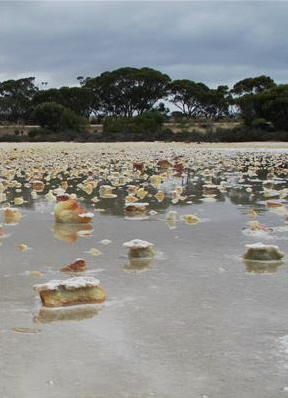
The "wheat belt" and "gold fields" of southern Western Australia are associated with a regional acid saline groundwater system. Groundwaters hosted in the Yilgarn Craton there have pH levels as low as 2.4 and salinities as high as 28%, which have greatly affected bedrock and subsurface sediments. This is manifested above ground as hundreds of shallow, ephemeral acid saline lakes.

In the June issue of GSA Today, Kathleen Benison of West Virginia University and Brenda Bowen of the University of Utah write that the limited volume of groundwater, in combination with its acidity, salinity, and high concentrations of some metals, make southern Western Australia a difficult place for human habitation.