Banner
Why Antarctic Sea Ice Stopped Growing In 2015

Though numerical models and popular films like An Inconvenient Truth projected Arctic ice...

Wealth Correlated To Loneliness

You may have read that Asian cultures respect the elderly more than Europe but Asian senior citizens...
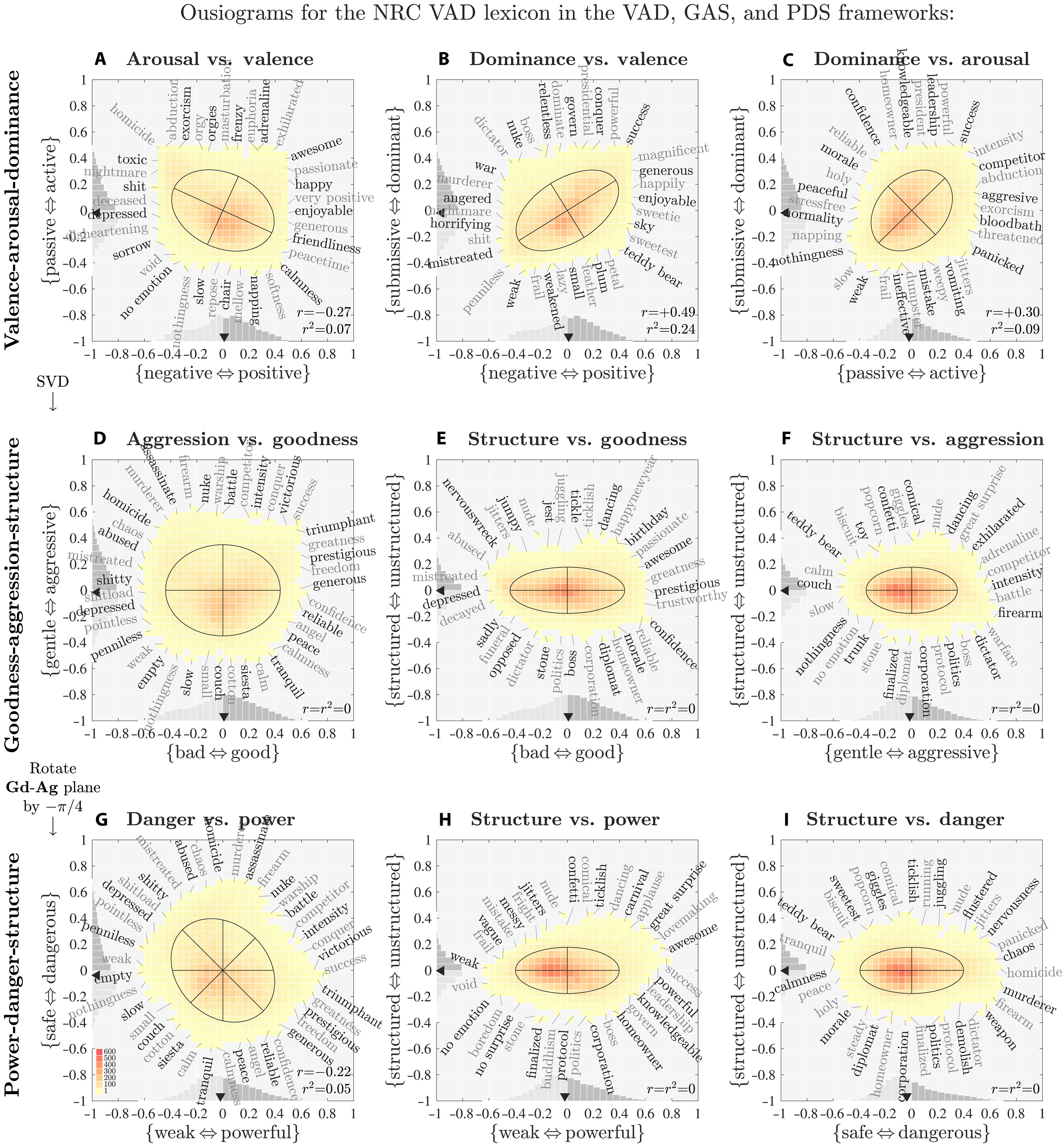
Ousiometrics Analysis Says All Human Language Is Biased

A new tool drawing on billions of uses of more than 20,000 words and diverse real-world texts claims...

Wavelengths Of Light Are Why CO2 Cools The Upper Atmosphere But Warms Earth

There are concerns about projected warming on the Earth’s surface and in the lower atmosphere...

User picture.
News StaffRSS Feed of this column.

News Releases From All Over The World, Right To You... Read More »

Blogroll

Many of us are familiar with electrolytic splitting of water from their school days: if you hold two electrodes into an aqueous electrolyte and apply a sufficient voltage, gas bubbles of hydrogen and oxygen are formed. If this voltage is generated by sunlight in a solar cell, then you could store solar energy by generating hydrogen gas.This is because hydrogen is a versatile medium of storing and using "chemical energy".

An international team, including archaeologists from the University of Southampton, has found evidence suggesting leprosy may have spread to Britain from Scandinavia.

The team, led by the University of Leiden, and including researchers from Historic England and the universities of Southampton, Birmingham, Surrey, and Swansea, examined a 1500 year old male skeleton, excavated at Great Chesterford in Essex, England during the 1950s.

The bones of the man, probably in his 20s, show changes consistent with leprosy, such as narrowing of the toe bones and damage to the joints, suggesting a very early British case. Modern scientific techniques applied by the researchers have now confirmed the man did suffer from the disease and that he may have come from southern Scandinavia.

At the 2015 American Urological Association annual meeting in New Orleans, Dr. Jonathan Harper will present the findings of an FDA-registered "first in humans" trial to non-surgically propel and expel kidney stones from the body.

Harper and colleagues in the Department of Urology and Applied Physics Laboratory at the University of Washington have invented a new way to facilitate kidney stone passage or dislodge large obstructing stones, using ultrasound.

 Ultrasound technologies have been successfully used for many years on the International Space Station (ISS), primarily to perform imaging of the astronauts' eyes, bones, and internal organs.

Males rule in most of the animal world. But when it comes to conventional gender roles, lemurs -- distant primate cousins of ours -- buck the trend. Lemur girls behave more like boys, thanks to a little testosterone.

Swedish clinicians recently reported the first live birth after uterus transplantation, which was followed by two more uneventful births and another pregnancy that is near term.

In a new Acta Obstetricia et Gynecologica Scandinavica commentary, one of the leaders behind these successes, Professor Mats Brannström, provides insights into how the Swedish uterus transplant project was initiated and its long research journey that spans over more than a decade. The first clinical uterus transplantation trial, which enrolled nine women, was initiated in early 2013 and is currently ongoing.

The preliminary results of the trial offer hope for women who lack a uterus--either from birth or due to a hysterectomy--or whose uterus is not functional.

Toxins known as perfluoroalkyl substances have become virtually ubiquitous throughout the environment, and various national and international voluntary phase-outs and restrictions on these compounds have been implemented over the last 10 to 15 years.

Investigators who examined trends in the accumulation of these toxins in the eggs of four species of aquatic birds from the Pacific coast of Canada from the early 1990s to 2011 report that the concentrations of some of these compounds are decreasing in line with manufacturing phase-outs, while others continue to increase in the oceanic environment.

Concentrations of different perfluoroalkyl substances also varied between offshore and coastal species of birds.