Banner
Why Antarctic Sea Ice Stopped Growing In 2015

Though numerical models and popular films like An Inconvenient Truth projected Arctic ice...

Wealth Correlated To Loneliness

You may have read that Asian cultures respect the elderly more than Europe but Asian senior citizens...
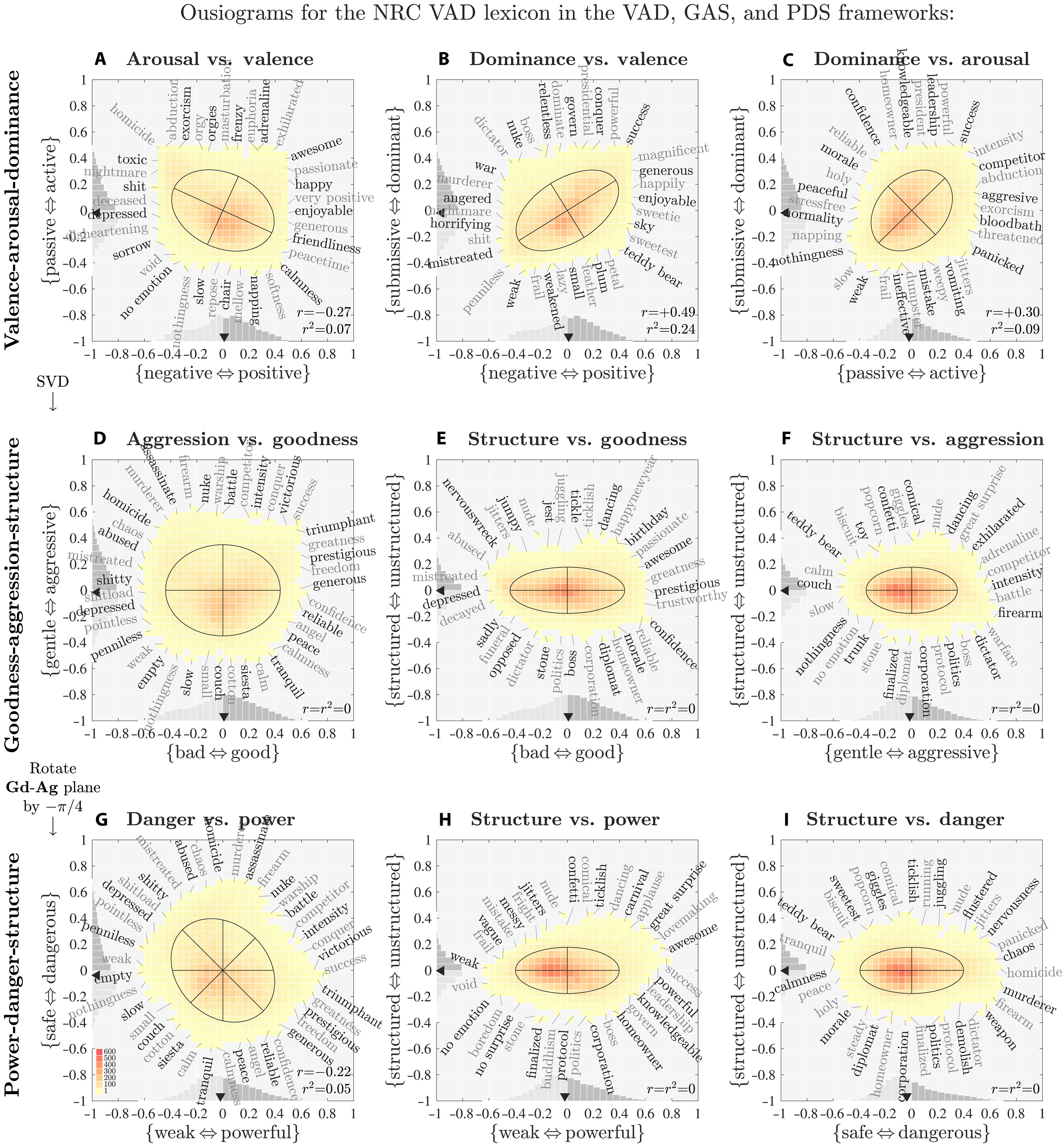
Ousiometrics Analysis Says All Human Language Is Biased

A new tool drawing on billions of uses of more than 20,000 words and diverse real-world texts claims...

Wavelengths Of Light Are Why CO2 Cools The Upper Atmosphere But Warms Earth

There are concerns about projected warming on the Earth’s surface and in the lower atmosphere...

User picture.
News StaffRSS Feed of this column.

News Releases From All Over The World, Right To You... Read More »

Blogroll
When ants go exploring in search of food they end up choosing collective routes that fit statistical distributions of probability, according to a team of mathematicians who analyzed the trails of a species of Argentine ant. 

It's unknown how flocks of birds, shoals of fish, lines of ants and other complex natural systems organize themselves so well when moving collectively so researchers from Spain and the U.S. analyzed the movements of Argentine ants (Linepithema humile, an invasive species in many parts of the world) while they forage or explore an empty space (a petri dish) and then they proposed a model explaining how they form their routes.

During the short, dreary days of winter, some people feel tired and oversleep, they are depressed and irritable and have trouble concentrating.  But once spring arrives, they say they feel fine.

4 percent of the American public say they suffer from this seasonal affective disorder (SAD), a type of depression that occurs during the same season each year.

Biologists know that variations in the amount of sunlight a person receives and her or his circadian clock play a role in the disorder and some have proposed that the neurotransmitters serotonin and melatonin may be involved. However, they have not yet identified the underlying neurobiological mechanisms responsible.

Kids from
multilingual environments
become better communicators, according to a new paper in 
Psychological Science
which says that such children are better at interpreting a speaker's meaning than children who are exposed only to their native tongue - even if the kids are not bilingual themselves.

Exposure to more than one language is the key for building effective social communication skills, says University of Chicago Katherine Kinzler, who believes this paper is the first to demonstrate the social benefits of just being exposed to multiple languages. 

"It takes a village to raise a child" is folk wisdom which means that quality communities turn out quality individuals.

It may have seemed like a new idea when First Lady Hillary Clinton said it in the 1990s but ancient societies formed cooperative groups to help raise their children. Why did that happen?

University of Utah anthropologist Karen Kramer and colleagues created an economic model where mothers had one dependent offspring at a time, ended support of their young at weaning and received no help from others and then mapped it to where mothers often have multiple kids who help rear other children.

Before 2009, nearly 4 in 10 cattle ranchers and slaughterhouse in Brazil reported recent deforestation but by 2013, this number dropped to 4 in 100, a 10-fold decrease.

What changed? Policies that were not simply advocated by first world elites that told people in Brazil they couldn't have an economy. Brazil is home to the world’s largest commercial herd of cattle, and its cattle ranchers were once linked to the destruction of huge swaths of rainforest. “Zero-deforestation agreements” put into place in 2009 use market-based strategies to reduce the impact of the beef industry on the environment, a much different methodology than in the past where some would follow guidelines and be penalized economically.

If you got a recent promotion, or a new car on Facebook, that's good news, and in the idealized vision of social media it should be shared.

That is just social media marketing talking. In reality, you have probably become convinced that your hard work and success elicits positive emotions and you are probably wrong. 

Irene Scopelliti, George Loewenstein and Joachim Vosgerau wanted to find out why so many try to increase the favorability of the opinion others have of them by engaging in more positive self-promotion, which has the opposite of the intended effect.