Banner
You Didn't Feel Continental Mantle Earthquakes, But They Happened. A Lot

A 1979 seismic event was a different kind of earthquake, and it is has intrigued scientists ever...

How To Overcome Leadership Battles

In times of social rancor and strife, most will fight each other, but societies are saved by those...
Thousands Of Unpublished Studies Show Why Conservation Efforts Miss The Mark

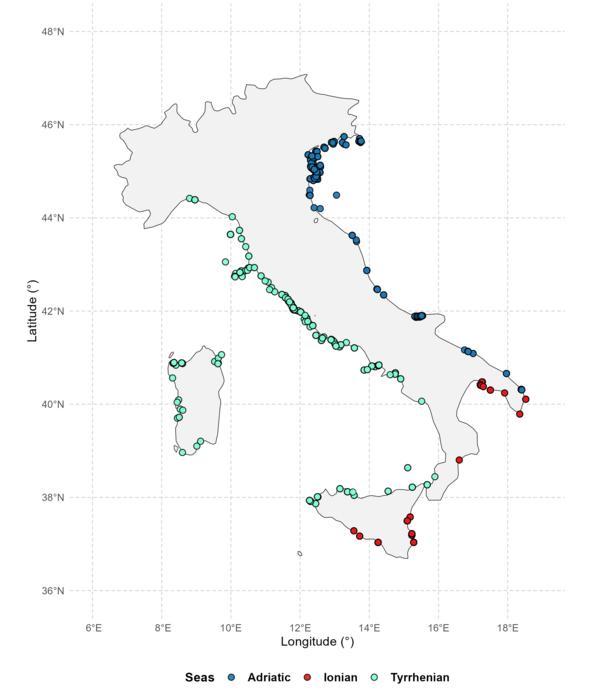
Europe alone has so much unpublished, un-catalogued biological data that it is challenging to take...

Why Antarctic Sea Ice Stopped Growing In 2015

Though numerical models and popular films like An Inconvenient Truth projected Arctic ice...

User picture.
News StaffRSS Feed of this column.

News Releases From All Over The World, Right To You... Read More »

Blogroll
Surveys sought to find out how common suicidal ideation and mental health disorders were during combat deployment and to examine the associated risk factors. Some of the greatest risks were being white, having past non-combat trauma, and past major depressive disorder.
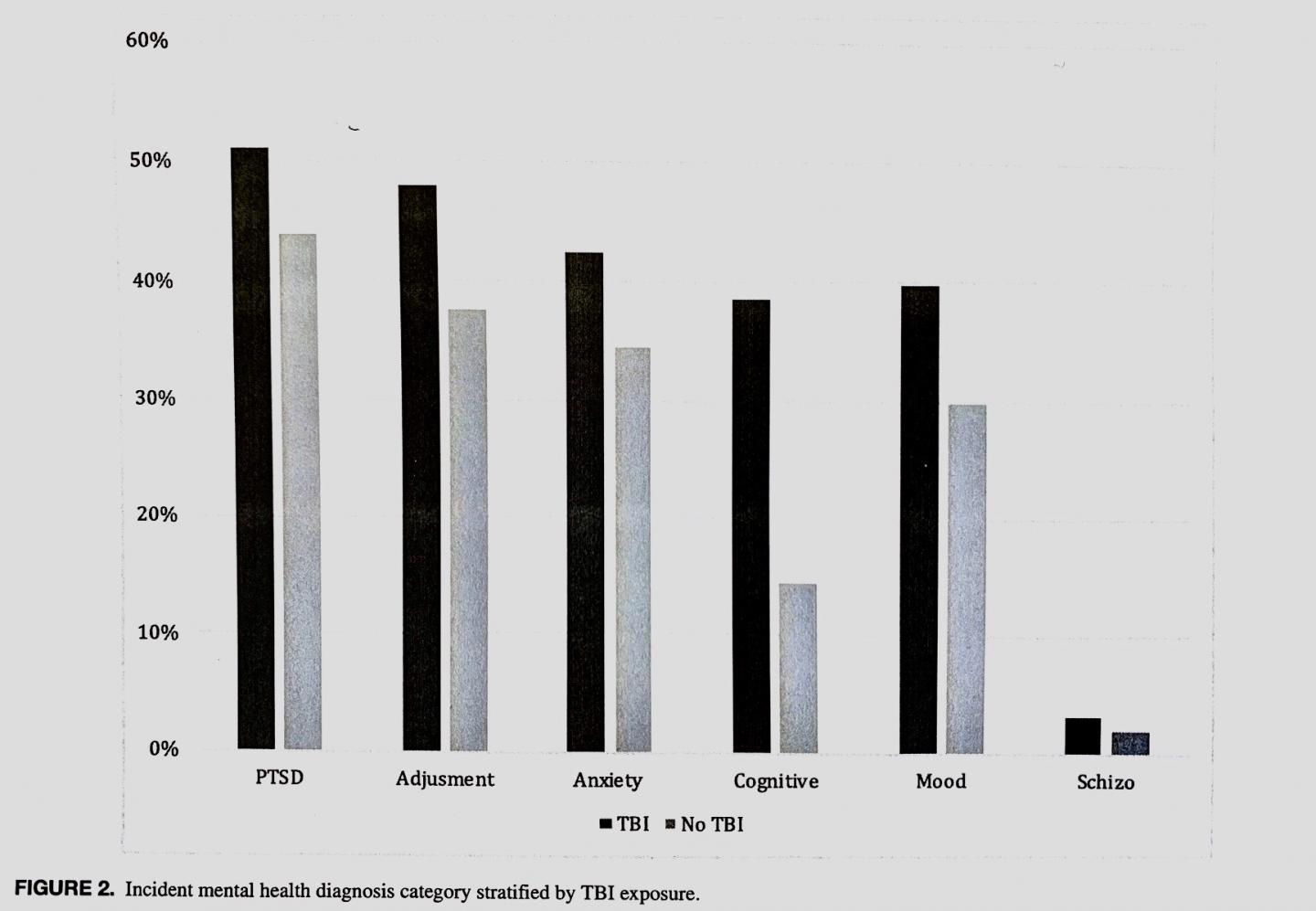
An exploratory result, published in Military Medicine, finds that soldiers with traumatic brain injury are more likely than soldiers with other serious injuries to experience a range of mental health disorders.

The retrospective analysis examined the cases of 4,980 military members who were severely injured during combat in Iraq and Afghanistan between 2002 and 2011. Nearly a third of them suffered moderate or severe traumatic brain injury (TBI).
People can deny a lot of science without making a huge difference in their lives; no one will die if they deny evolution. Gravity, on the other hand, will kill you. You can't just jump off a building and deny it exists and expect a positive outcome.

This unseen force dominates our entire lives so completely we forget it exists. We drop pencils and struggle to walk uphill and go on with our lives.

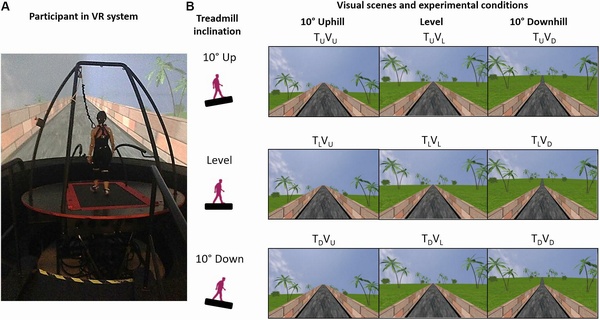
How people account for this invisible influence while moving through the world was the subject of a recent experiment, and the results showed we regard it a lot differently when we can see it instead of feeling it through changes in weight and balance. 
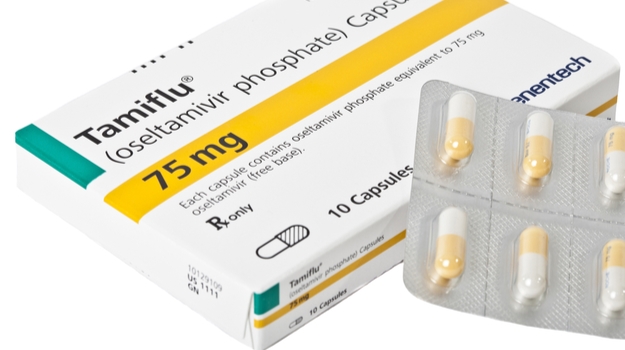
Oseltamivir, which goes by the brand name Tamiflu and is sold by Hoffmann-La Roche, has long claimed to shorten the duration of flu severity, to skepticism and sometimes even derision from the evidence-based science community.

A recently unsealed whistleblower lawsuit claims the company bilked U.S. taxpayers out of $1.5 billion by misrepresenting clinical studies and and publishing misleading articles falsely stating that Tamiflu reduces complications, severity, hospitalizations, mortality and transmission of influenza. And that's just when they encouraged government stockpiling, it does not include people who bought it with their own money, based on aggressive marketing campaigns which used the articles as evidence, the lawsuit alleges.
The U.S. Food and Drug Administration (FDA) has granted Horizon Therapeutics Ireland DAC approval for teprotumumab-trbw as treatment in adults with thyroid eye disease, a rare condition where the muscles and fatty tissues behind the eye become inflamed, causing the eyes to be pushed forward and bulge outwards (proptosis).

The compound is approved under the brand name Tepezza and is the first drug approved for the treatment of thyroid eye disease.
After Robert Koch first separated Mycobacterium bovis from Mycobacterium tuberculosis, and seeing the success of vaccination in preventing smallpox, scientists believed that infection with bovine tuberculosis might protect against human tuberculosis.

It wasn't a linear path but after a lot of trial and error, and some fitful starts (including deaths, the kind of thing that would get a product pulled from existence in today's cancel culture, the Bacillus Calmette–Guérin (BCG) vaccine has been administered routinely to protect babies against tuberculosis since 1921.  

Today only a few countries, such as the United States and the Holland (where TB is rare) don't use it.