Banner
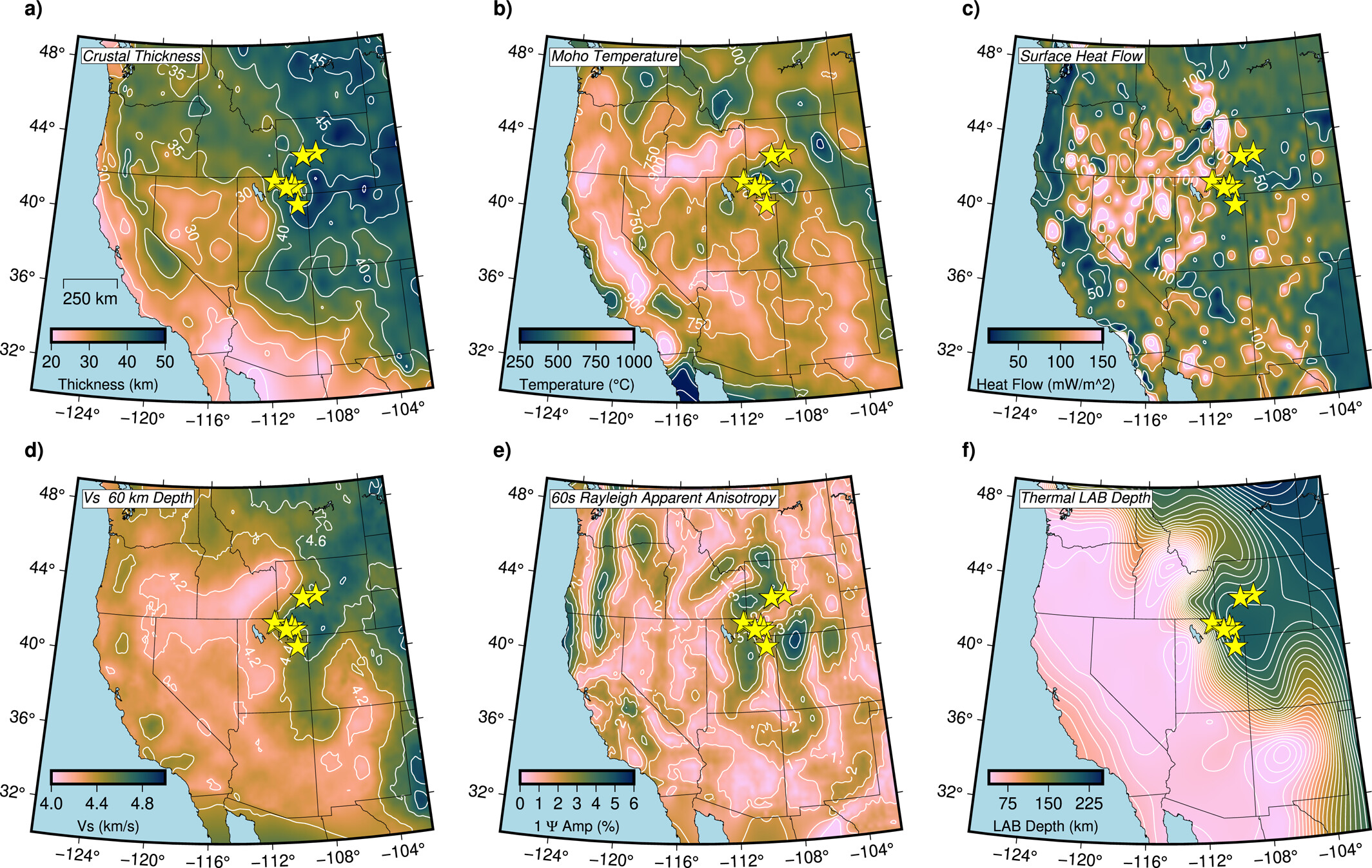
You Didn't Feel Continental Mantle Earthquakes, But They Happened. A Lot

A 1979 seismic event was a different kind of earthquake, and it is has intrigued scientists ever...

How To Overcome Leadership Battles

In times of social rancor and strife, most will fight each other, but societies are saved by those...

Thousands Of Unpublished Studies Show Why Conservation Efforts Miss The Mark

Europe alone has so much unpublished, un-catalogued biological data that it is challenging to take...

Why Antarctic Sea Ice Stopped Growing In 2015

Though numerical models and popular films like An Inconvenient Truth projected Arctic ice...

User picture.
News StaffRSS Feed of this column.

News Releases From All Over The World, Right To You... Read More »

Blogroll
A new study has found that the switch from coal to natural gas hasn't just reduced greenhouse gas emissions from energy, it has reduced water usage. That is even factoring in water used during hydraulic fracturing - fracking - and shale gas generation.
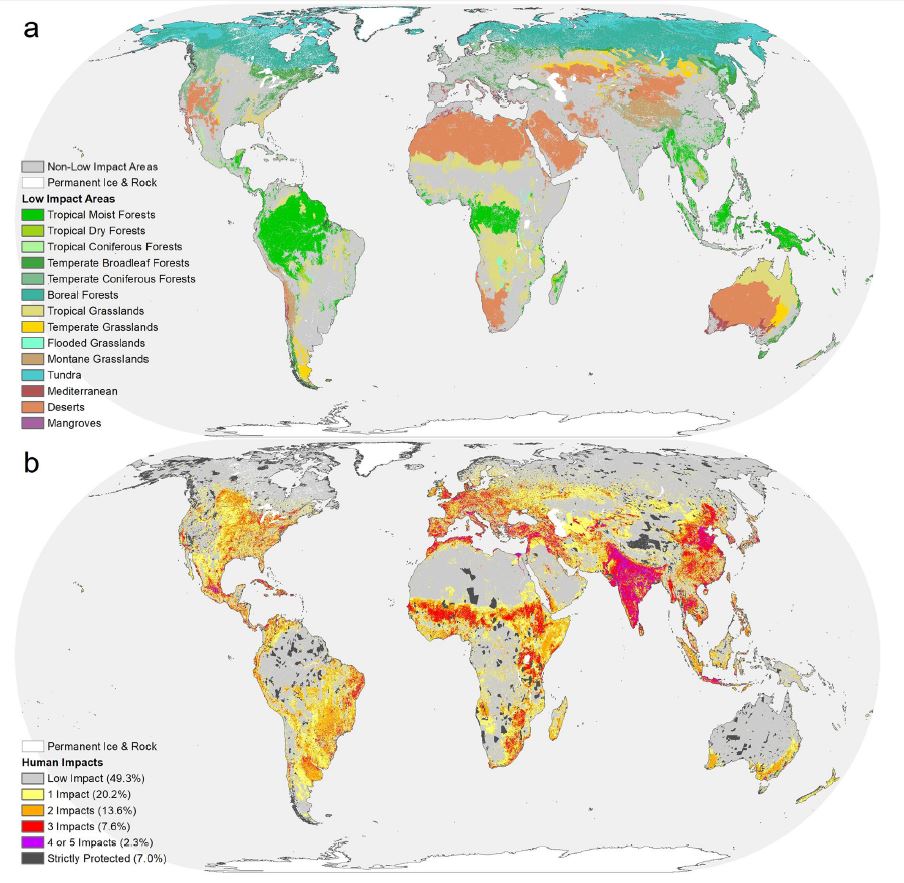
It's a surprise for Americans to learn that the U.S. has more open land than the entire continent of Africa, even though Africa is 3X the size of the U.S., and it is an even bigger surprise when people learn that, of all the area not covered by ice, half of the world's land remains wilderness. 

The inventory of open land was conducted in 2017 and 2018 by the National Geographic Society but a new study says that the wilderness is getting more fragmented. That makes sense, but it's not a bad thing. If a new housing development goes up and a city designates a lake and surrounding marsh as protected, it can be called fragmented but it's better than being gone.
A new study finds that if the United Kingdom did as The Guardian routinely advocates and abandoned modern agricultural science, people would starve. Or diets would change to where the rich had a variety while the poor suffered on subsistence fare.
It was easy to make a strong adhesive in the Stone Age so claims about the presence of glue 50,000 years ago meaning higher intelligence for "Neanderthals" don't stick very well.

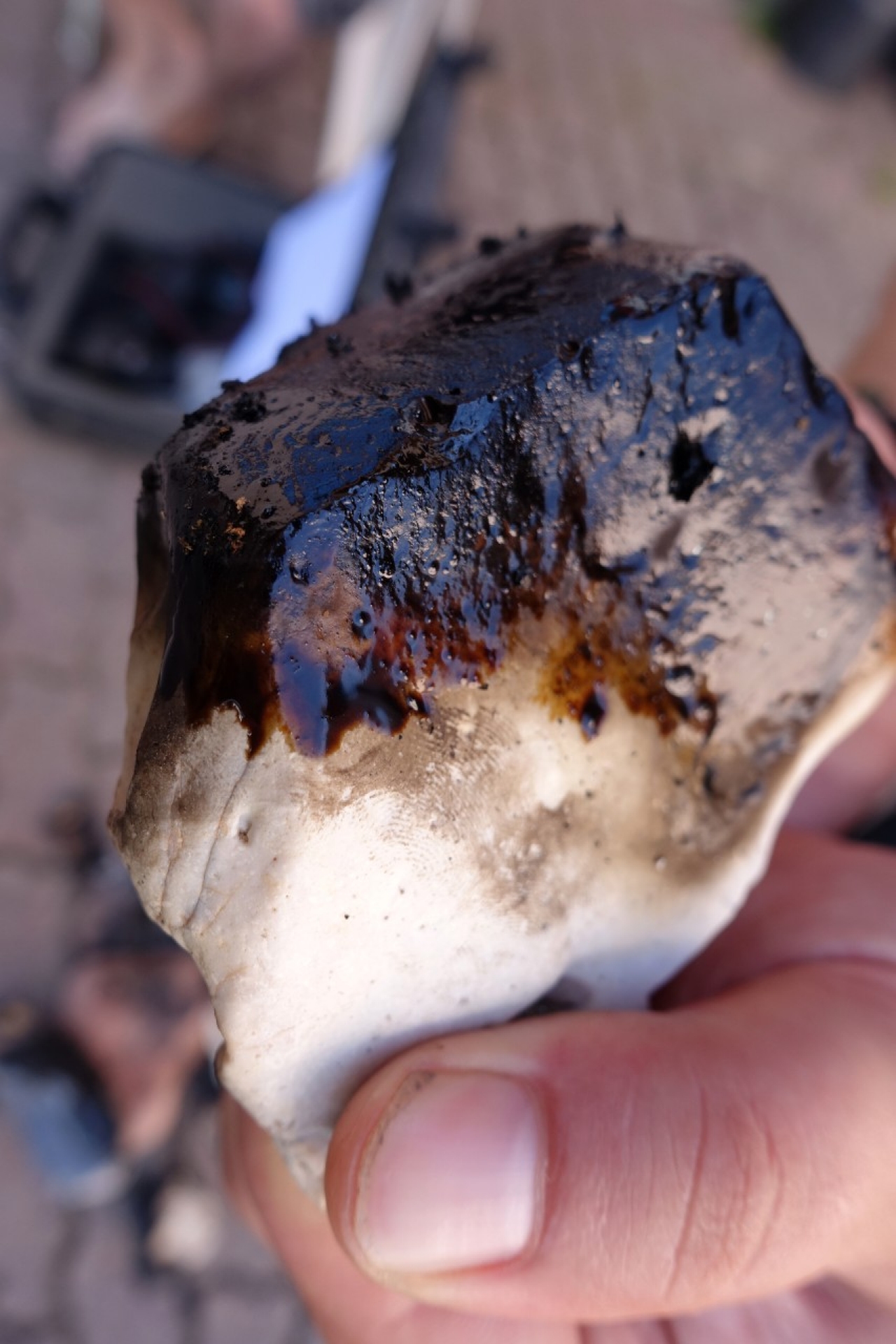
Neanderthals and other early humans produced a tarry glue from birch bark to make tools and because modern anthropologists think birch tar could only be created through a complex process in which the bark had to be heated in the absence of air, they used that as proof of a high level of cognitive and cultural development. 

But a new study shows that there is a very simple way to make the glue.

At our English boarding school in the 1990s, my friends and I would spend hours immersed in roleplaying games. Our favourite was Vampire: The Masquerade, and I can well remember experiencing a kind of psychological hangover after spending an afternoon in the character of a ruthless undead villain. It took a while to shake off the fantasy persona, during which time I had to make a conscious effort to keep my manners and morals in check, so as not to get myself into some real world trouble.

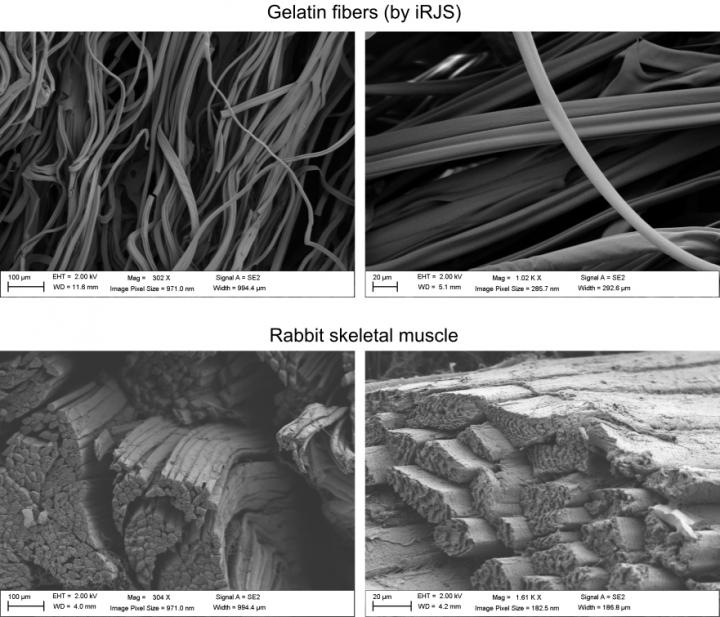
Though plant burgers like Beyond and Impossible have surged in popularity, they are still alternative versions of the real thing. Science has been consistently pushing toward real meat, but grown in a lab, which should defuse activist claims about the meat industry without forcing people to settle for substitutes.

The challenges are doing so at a reasonable cost and having it feel like real meat.