Banner
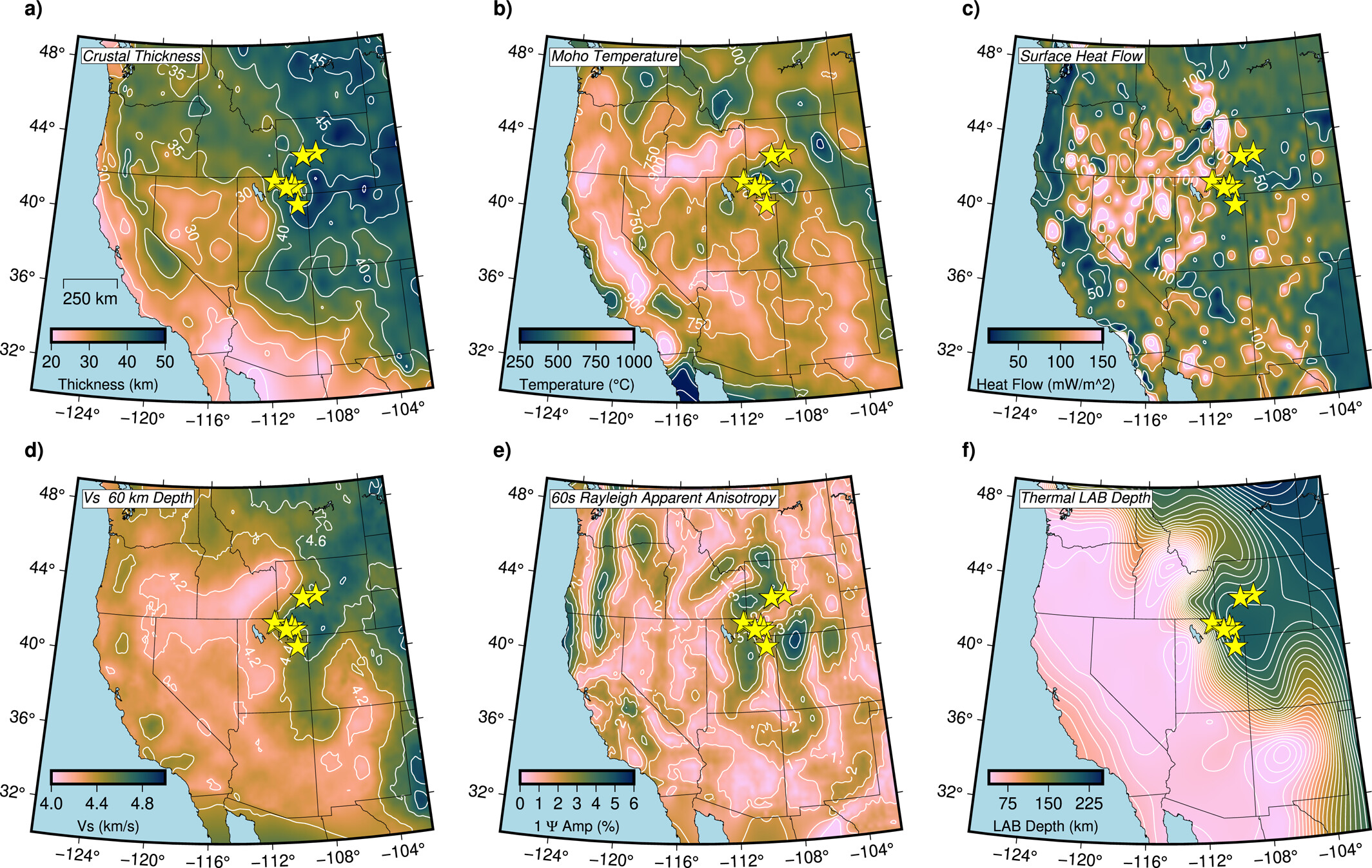
You Didn't Feel Continental Mantle Earthquakes, But They Happened. A Lot

A 1979 seismic event was a different kind of earthquake, and it is has intrigued scientists ever...

How To Overcome Leadership Battles

In times of social rancor and strife, most will fight each other, but societies are saved by those...

Thousands Of Unpublished Studies Show Why Conservation Efforts Miss The Mark

Europe alone has so much unpublished, un-catalogued biological data that it is challenging to take...

Why Antarctic Sea Ice Stopped Growing In 2015

Though numerical models and popular films like An Inconvenient Truth projected Arctic ice...

User picture.
News StaffRSS Feed of this column.

News Releases From All Over The World, Right To You... Read More »

Blogroll
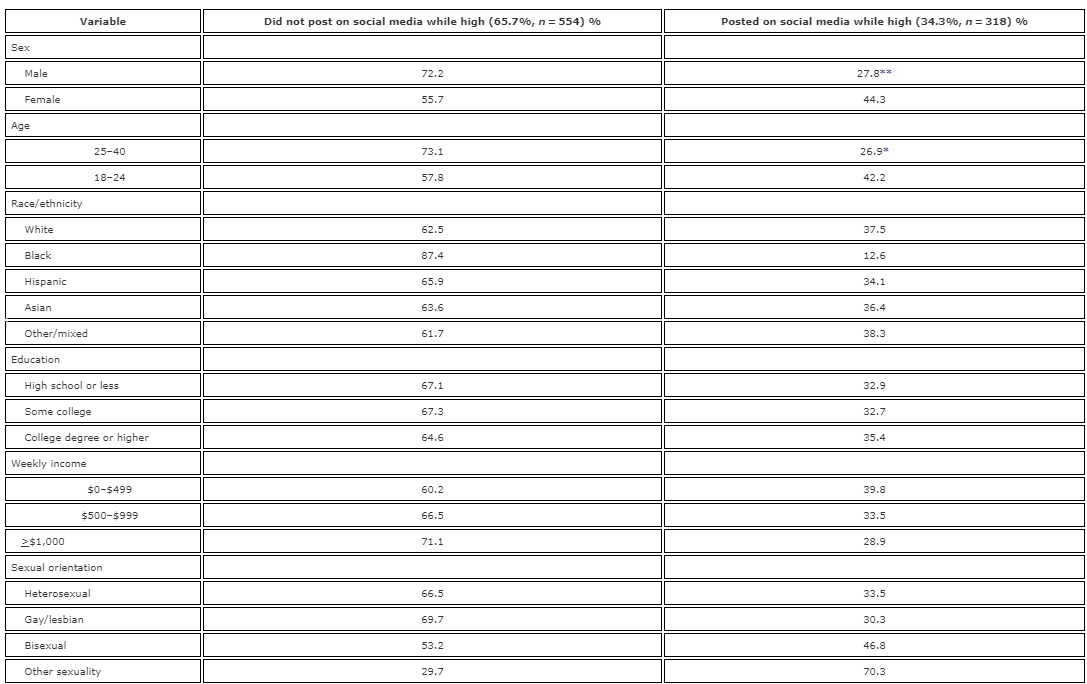
The use of social media is ubiquitous in today's culture. A recent Pew Research report found that, among 18 to 29-year-olds, over 90 percent use some form of social media while essentially 100 percent of young Americans (ages 18-29) have mobile phones, 94 percent of which are smartphones. 
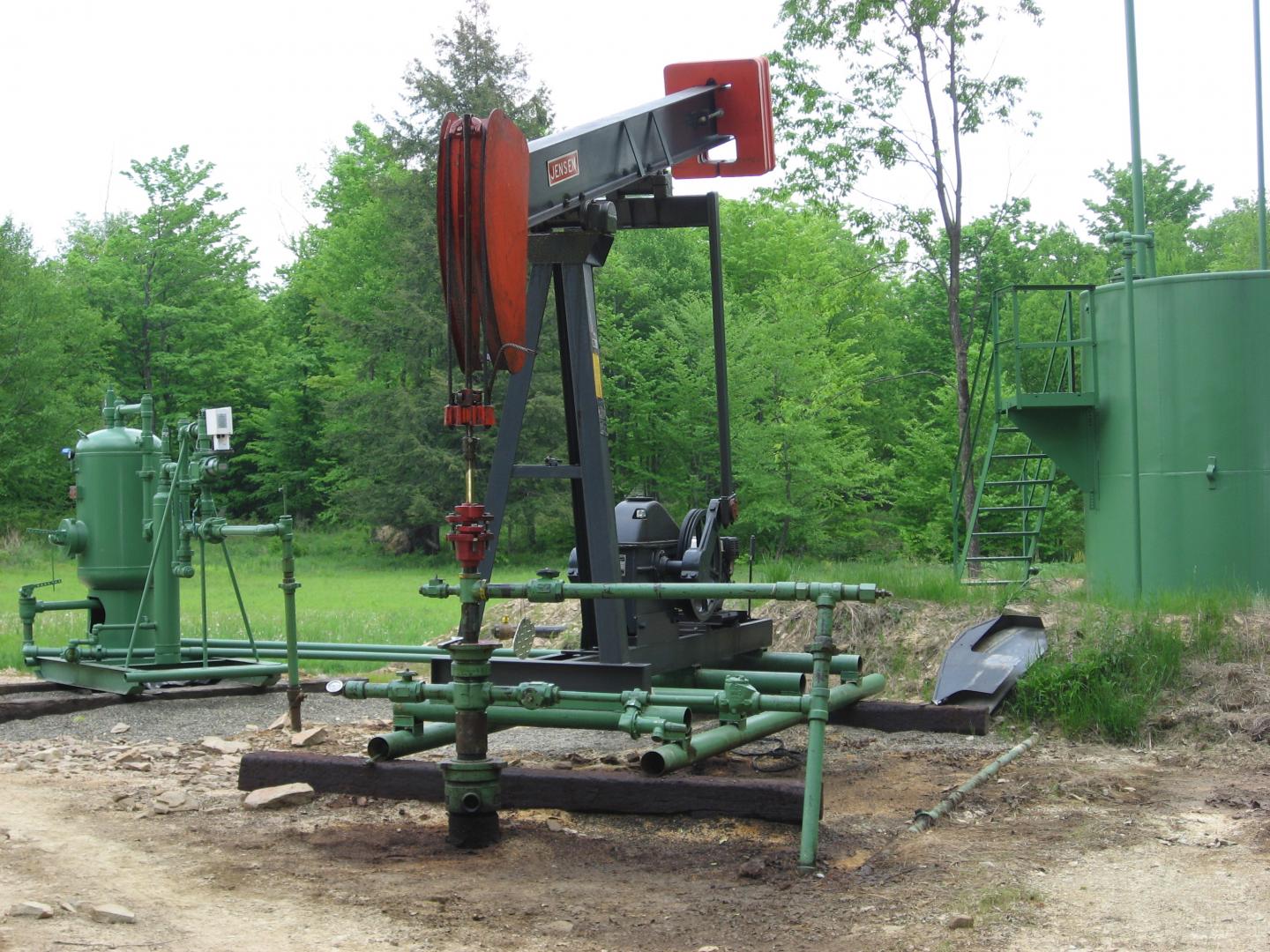
High-volume hydraulic fracturing, colloquially called fracking, injects water, sand and chemicals under high pressure into petroleum-bearing rock formations to recover previously inaccessible oil and natural gas. While it was experimented with since the 1940s, it only became viable in the 1990s and early 2000s and it led to the current shale gas boom that started about 15 years ago. 
The Juno mission, designed to help scientists better understand Jupiter's origin and evolution, was launched in 2011 to map its gravitational and magnetic fields and probe the planet's deep, internal structure.

It's found some mysterious gravitational readings which experts infer mean Jupiter's core is less dense and more extended that expected. 

Jupiter began as a dense, rocky or icy planet that later gathered its thick atmosphere from the primordial disk of gas and dust that birthed our sun so what if the recent data could be explained by a giant impact that stirred Jupiter's core, mixing the dense contents of its core with less dense layers above. Like another planet.
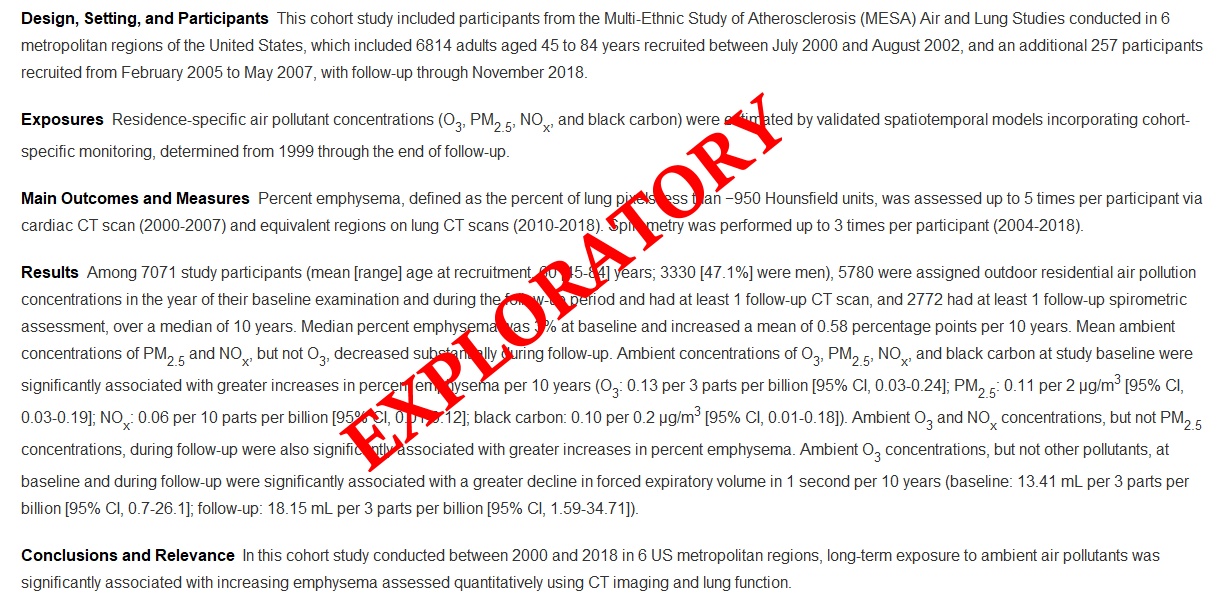
An exploratory correlation claims that ozone levels can lead to lungs similar to the damage of someone who smokes a pack of cigarettes per day for three decades.
Microbial communities living in deep aquatic sediments have adapted to survive on really old food, according to a new study.

Learning how these microorganisms function on old, poor-quality food at a very slow pace could have future uses in biomedical applications such as a technology that could slow down cell metabolism in human organs so they can survive longer during a transplant process.

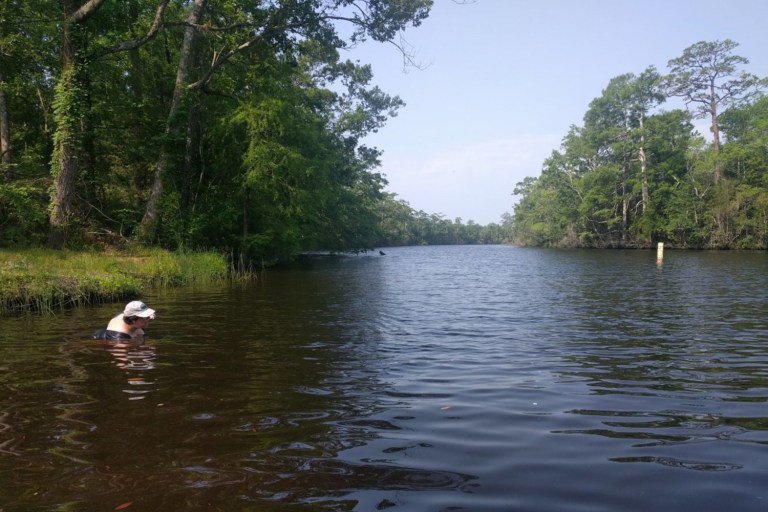
To better understand how these microorganisms access this food, researchers tested different types of peptidases—digestive enzymes that work to degrade proteins—in sediment cores from the White Oak River estuary in North Carolina.
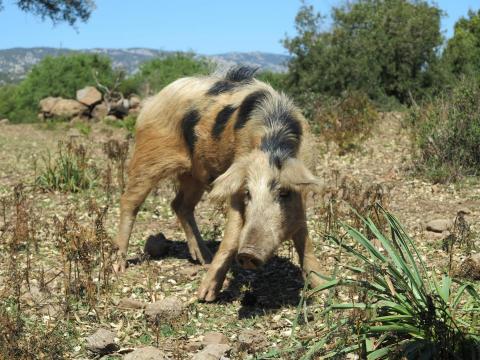
Ancient pigs went through a complete genomic turnover after they arrived in Europe, according to a new study. They were domesticated in the Near East and logically would genetically resemble the Near East wild boar from which they derived, but they do not.

Instead, they resemble European wild boar.

The work involved sequenced DNA signatures from more than 2,000 ancient pigs including genomes from 63 archaeological pigs collected across the Near East and Europe over the last 10,000 years.