Banner
You Didn't Feel Continental Mantle Earthquakes, But They Happened. A Lot

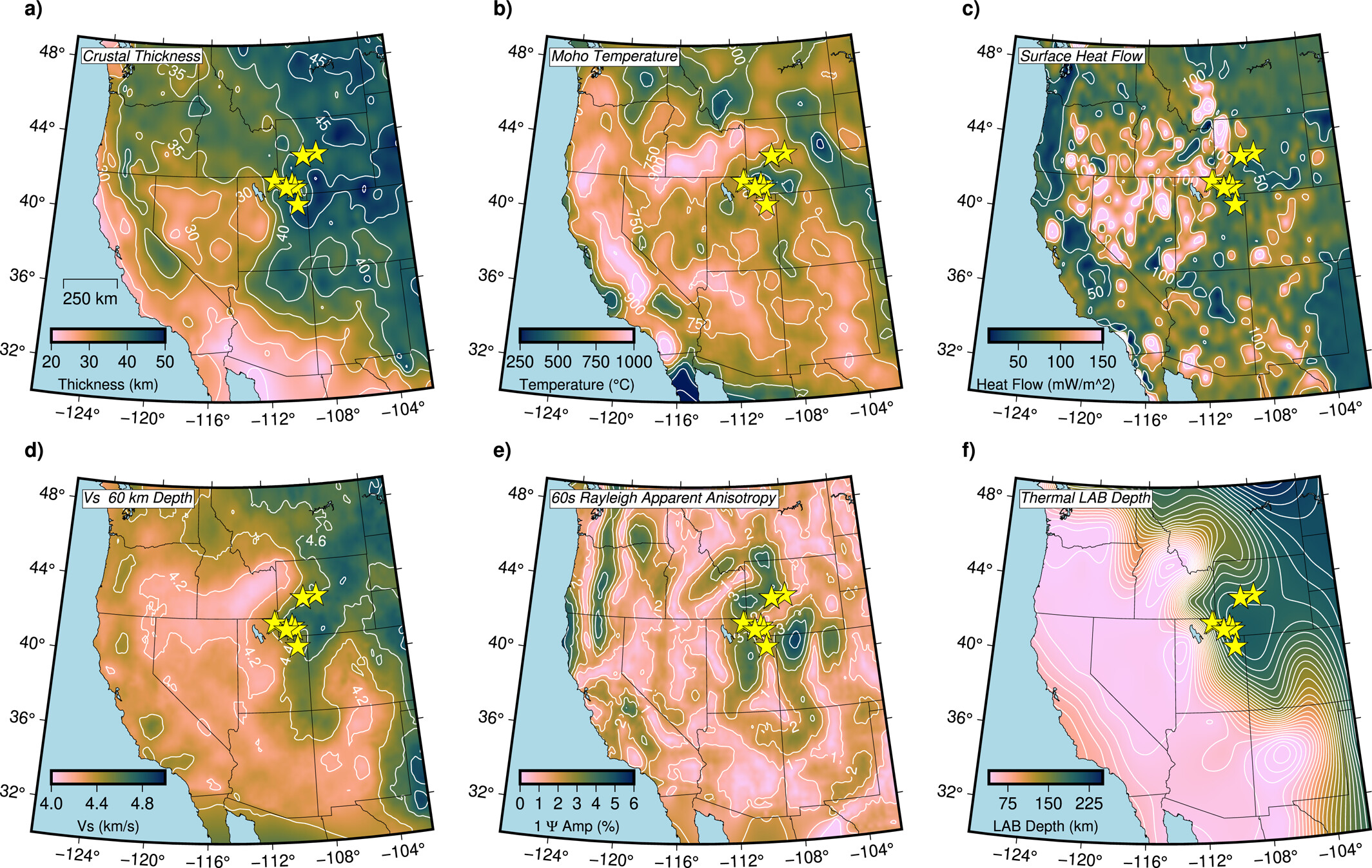
A 1979 seismic event was a different kind of earthquake, and it is has intrigued scientists ever...
How To Overcome Leadership Battles

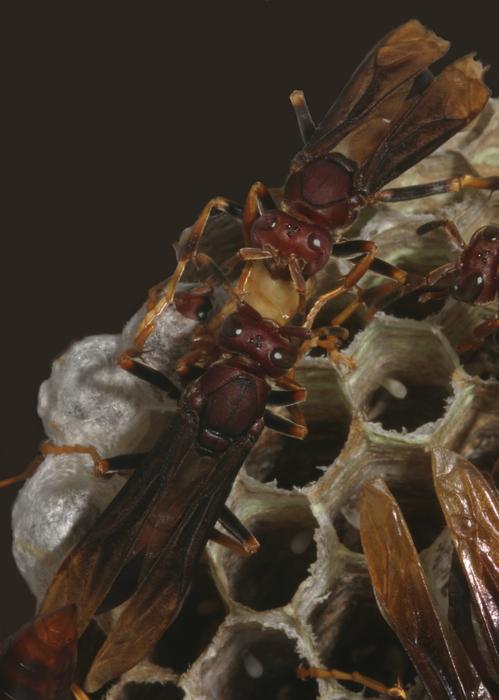
In times of social rancor and strife, most will fight each other, but societies are saved by those...
Thousands Of Unpublished Studies Show Why Conservation Efforts Miss The Mark

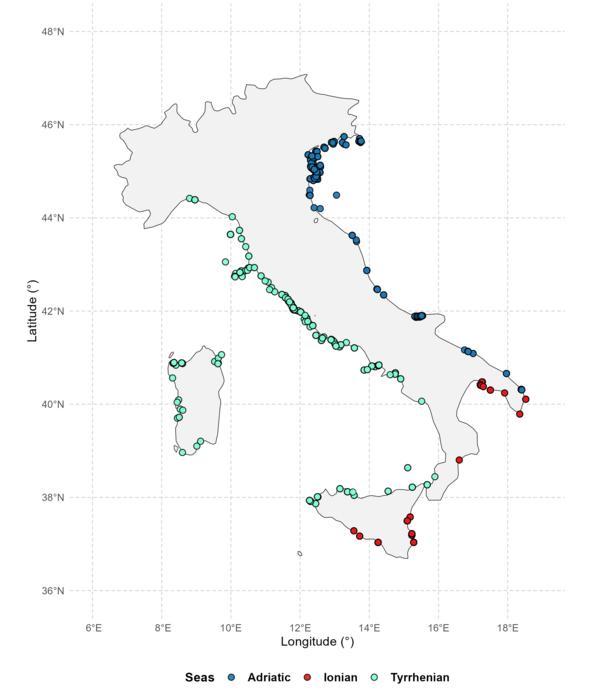
Europe alone has so much unpublished, un-catalogued biological data that it is challenging to take...

Why Antarctic Sea Ice Stopped Growing In 2015

Though numerical models and popular films like An Inconvenient Truth projected Arctic ice...

User picture.
News StaffRSS Feed of this column.

News Releases From All Over The World, Right To You... Read More »

Blogroll

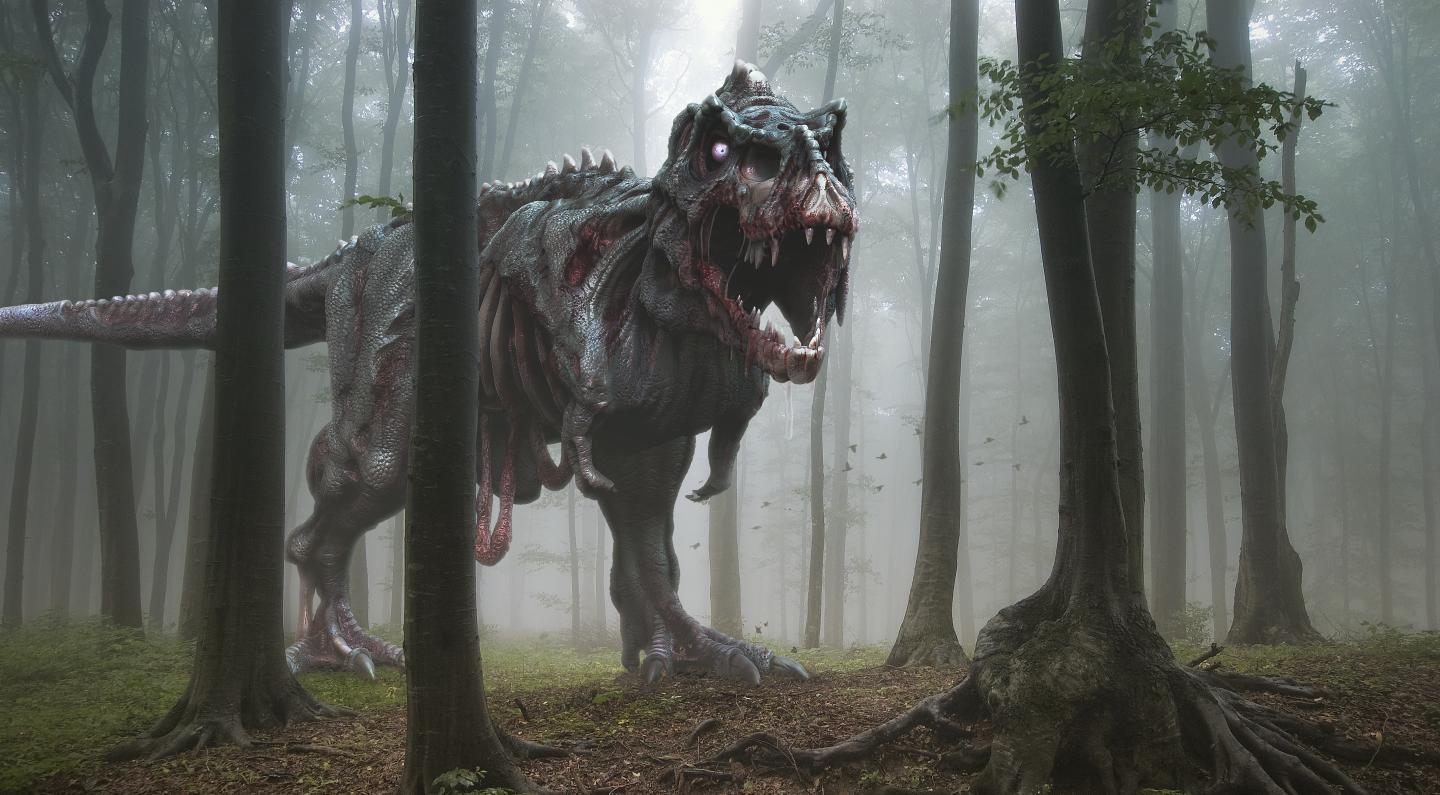
A key part of palaeontology is reconstructing long-extinct creatures to understand what they were like when they were alive. Such knowledge allows us to answer fundamental questions about how they moved and interacted with their environment. How did they feed and reproduce? Which of today's organisms are they most like and most closely related to? 

It has challenges. The history of life can be distorted by the ways animals decompose and lose body parts as they decay - and the ways in which decayed bodies ultimately become fossilized. Like on-screen zombies in "The Walking Dead" that gradually deteriorate through time, fossils preserve only incomplete remains of the living body.

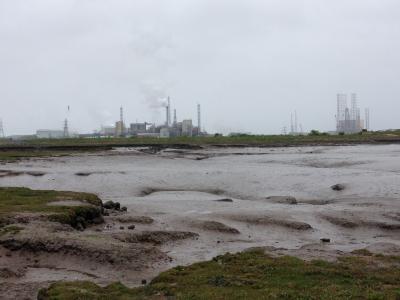
A new analysis estimates that if greenhouse gas emissions continue unabated, sea-level rise will endanger coastal wetlands across the United Kingdom.

That conclusion was derived by estimating salt-marsh vulnerability using the geological record of past losses in response to sea-level change. Data from 800 salt-marsh soil cores showed that rising sea levels in the past led to increased waterlogging of the salt marshes in the region, killing the vegetation that protects them from erosion.
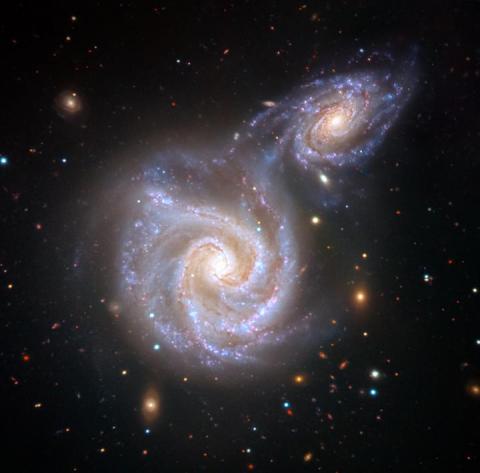
A cosmic crash 8 billion to 10 billion years ago was a defining event in the early history of the Milky Way and reshaped the structure of our galaxy.

The Sausage Galaxy lost and the Milky Way won, fashioning both its inner bulge and its outer halo. The wreckage is all around us and the paths of the stars from the galactic merger earned them the moniker "the Gaia Sausage."
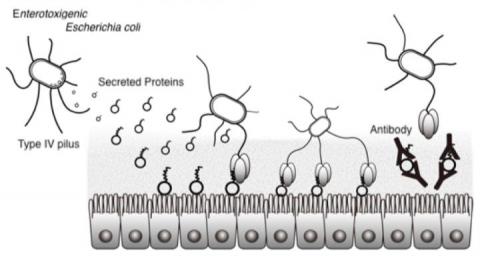
Enterotoxigenic Escherichia coli is a major cause of diarrhea in developing countries, and responsible for at least 300,000 deaths a year, according to the World Health Organization.

Effective vaccines have not been developed, so patients infected are treated with antibiotics and supporting measures. The emergence of multidrug-resistant bacteria has become a concern so the development of new treatment methods is ongoing.

Blood thinning drugs are preventing 7,000 strokes each year, according to an analysis of general practice records of five million patients from 2000 to 2016 to find out how many people have a diagnosis of atrial fibrillation and how many are receiving treatment to prevent strokes. 

Atrial fibrillation is the most common cause of an irregular heartbeat and five times increases the risk of stroke. To reduce the risk of stroke by around two thirds, patients with atrial fibrillation are given anticoagulant drugs to prevent blood clotting, such as warfarin. 

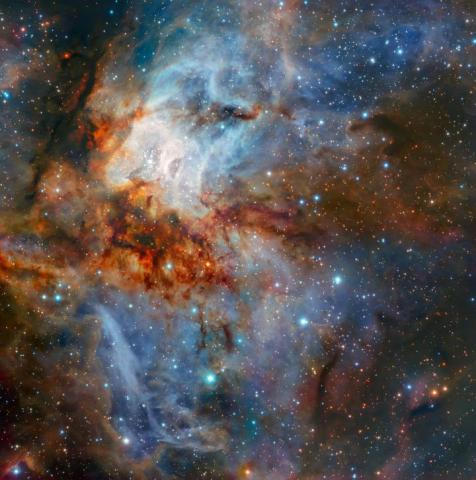
By using infrared wavelengths, the HAWK-I infrared imager mounted on ESO's Very Large Telescope (VLT) in Chile was able to capture this image of the star cluster RCW 38.

RCW 38 is over 5,00 light years away (look toward the constellation Vela) and is composed of several short-lived massive stars that will eventually supernovae, but also has some 8,000 other x-ray emitting objects.