Banner
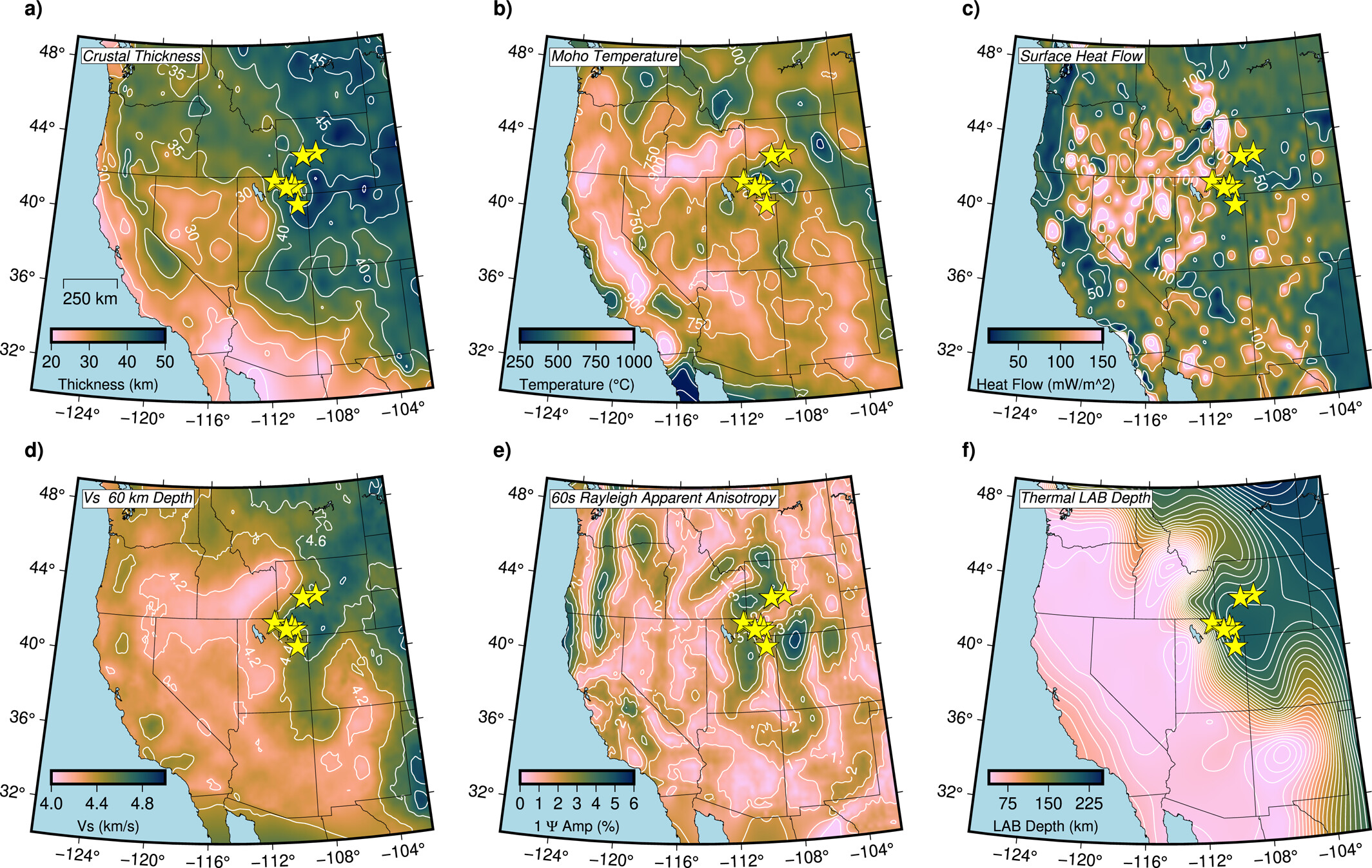
You Didn't Feel Continental Mantle Earthquakes, But They Happened. A Lot

A 1979 seismic event was a different kind of earthquake, and it is has intrigued scientists ever...
How To Overcome Leadership Battles

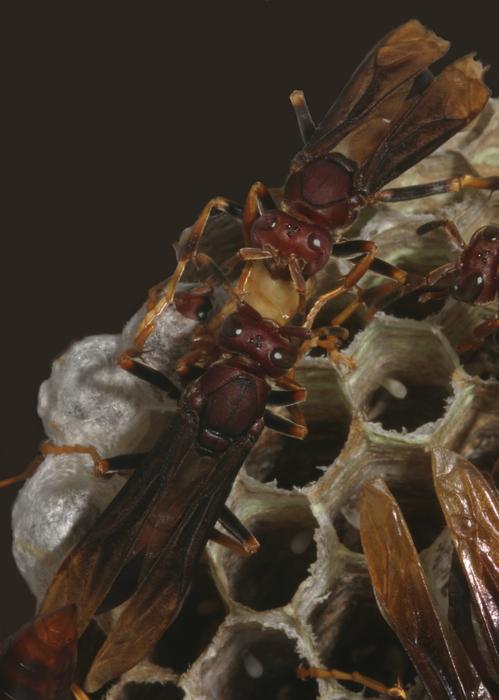
In times of social rancor and strife, most will fight each other, but societies are saved by those...
Thousands Of Unpublished Studies Show Why Conservation Efforts Miss The Mark

Europe alone has so much unpublished, un-catalogued biological data that it is challenging to take...

Why Antarctic Sea Ice Stopped Growing In 2015

Though numerical models and popular films like An Inconvenient Truth projected Arctic ice...

User picture.
News StaffRSS Feed of this column.

News Releases From All Over The World, Right To You... Read More »

Blogroll
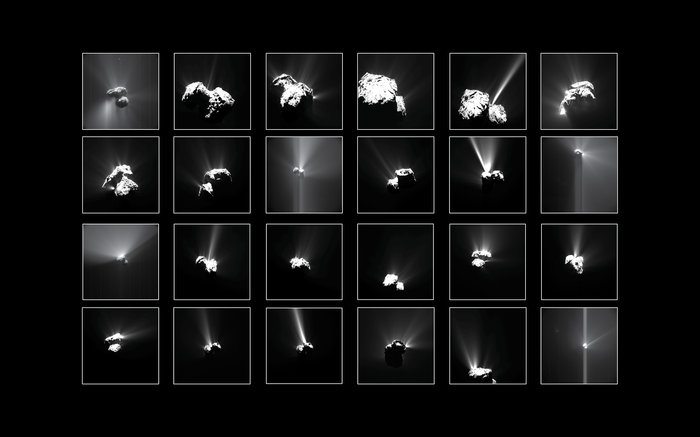
ESA’s Rosetta mission has concluded as planned, with the controlled impact onto the small lobe of Comet 67P/Churyumov–Gerasimenko, close to a region of active pits in the Ma’at region, which it had been investigating for more than two years.  

Confirmation of the end of the mission arrived at ESA’s control centre in Darmstadt, Germany at 11:19 GMT (13:19 CEST) with the loss of Rosetta’s signal upon impact, but the descent gave Rosetta the opportunity to study the comet’s gas, dust and plasma environment very close to its surface, as well as take very high-resolution images.  Pits are of particular interest because they play an important role in the comet’s activity. They also provide a unique window into its internal building blocks. 

Some loss of memory is often considered an inevitable part of aging, but new research reveals how some people appear to escape that fate. A study older adults whose memory performance is equivalent to that of younger individuals and finds that certain key areas of their brains resemble those of young people. 

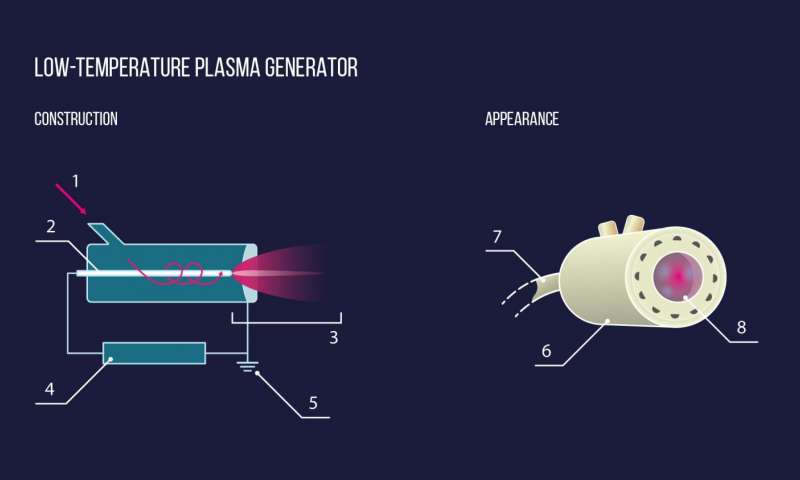
Russian scientists at the Moscow Institute of Physics and Technology (MIPT), the Joint Institute for High Temperatures of the Russian Academy of Sciences (JIHT RAS), and Gamaleya Research Centre of Epidemiology and Microbiology found that treating cells with cold plasma leads to their regeneration and rejuvenation. This result can be used to develop a plasma therapy program for patients with non-healing wounds. The paper has been published in the Journal of Physics D: Applied Physics.

Using experimental techniques, researchers have made the first ever direct observation of the elusive dewetting process, which takes place when a liquid film retracts to form a bead-shaped drop. The achievement could now spark a new line of research and lead to breakthroughs involving the use of liquids, such as better coatings and more effective self-cleaning surfaces.

Research published today in Research in Veterinary Science reveals that vitamin D supplementation reduces the incidence and severity of tuberculosis (TB) in wild boar and red deer. The pilot study of 40 animals was conducted by a multidisciplinary team of scientists from the University of Surrey (UK), Universidad de Extremadura (Spain), and SME Ingulados (Spain).

Wild boar and red deer are key hosts of bovine tuberculosis – a chronic, infectious disease mainly caused by Mycobacterium bovis - in southern Europe, with the incidence of TB in these animals particularly high in certain areas of Spain. The research could therefore have a positive impact on animal health and – since these species are valuable in the hunting and meat products industries – local economies.

It is common to equate high levels of immigration with increases in the crime rate because there are increases in the crime rate according to every statistic, but the opposite can be true, according to University of Huddersfield criminology lecturer Dr. Dainis Ignatans, who carried out statistical analysis of UK communities.

His latest article, in the International Review of Victimology, analyzes the changed distribution of crime by offenze type and is based on data extracted from a total of almost 600,000 respondents to the Crime Survey for England and Wales between 1982 and 2012.

What do police not think is worth very much? Asking people on surveys about crime, especially when actual crime is different than what people claim on surveys.