Banner
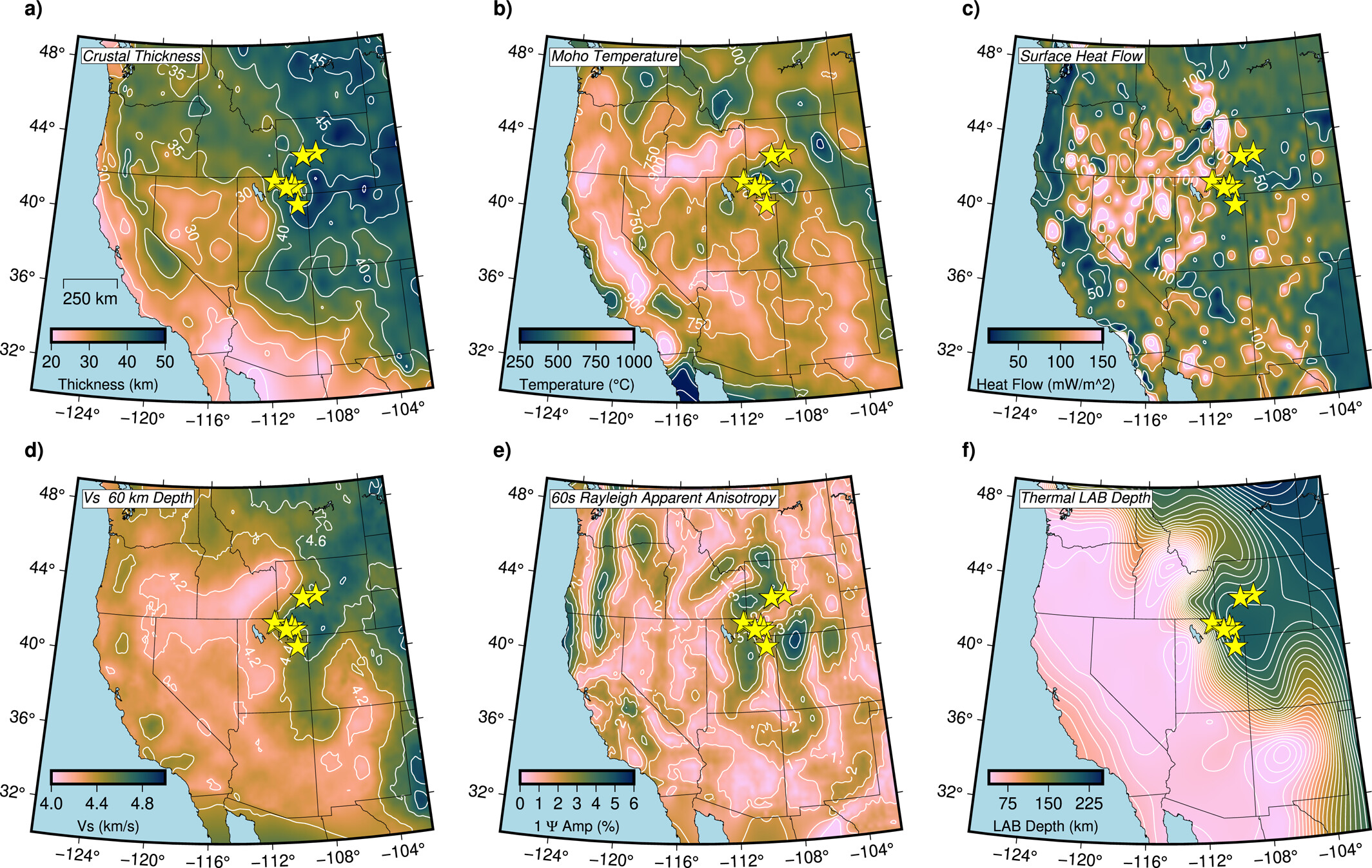
You Didn't Feel Continental Mantle Earthquakes, But They Happened. A Lot

A 1979 seismic event was a different kind of earthquake, and it is has intrigued scientists ever...
How To Overcome Leadership Battles

In times of social rancor and strife, most will fight each other, but societies are saved by those...
Thousands Of Unpublished Studies Show Why Conservation Efforts Miss The Mark

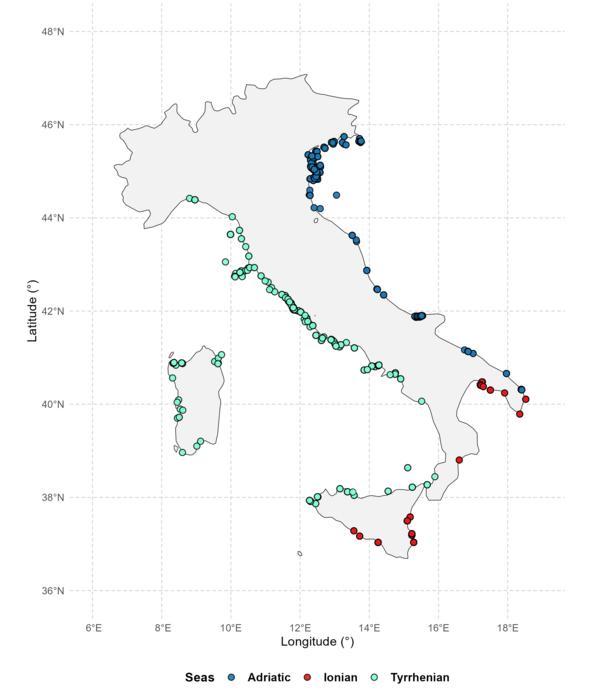
Europe alone has so much unpublished, un-catalogued biological data that it is challenging to take...

Why Antarctic Sea Ice Stopped Growing In 2015

Though numerical models and popular films like An Inconvenient Truth projected Arctic ice...

User picture.
News StaffRSS Feed of this column.

News Releases From All Over The World, Right To You... Read More »

Blogroll

Many school children in the United States memorize President Abraham Lincoln's Gettysburg Address, considered one of history's most brilliant speeches and a model of brevity and persuasive rhetoric.

But according to two medical researchers at University of Texas Medical Branch at Galveston, most historians have failed to recognize that when Lincoln delivered it on Nov. 19, 1863, he was in the early stages of a life-threatening illness — a serious form of smallpox. Their report appears in the current issue of Journal of Medical Biography, a scholarly quarterly published by the Royal Society of Medicine Press in London (www.rsmpress.co.uk/jmb.htm).

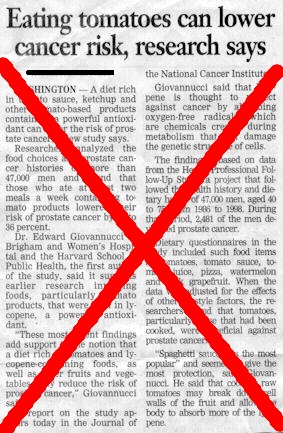
Tomatoes might be nutritious and tasty, but don’t count on them to prevent prostate cancer. In the May issue of Cancer Epidemiology, Biomarkers & Prevention, researchers based at the National Cancer Institute and Fred Hutchinson Cancer Research Center report that lycopene, an antioxidant predominately found in tomatoes, does not effectively prevent prostate cancer. In fact, the researchers noted an association between beta-carotene, an antioxidant related to lycopene, and an increased risk for aggressive prostate cancer.


Not so fast, AP

One of the world’s largest and least studied freshwater turtles has been found in Cambodia’s Mekong River, raising hopes that the threatened species can be saved from extinction.

Scientists from Conservation International (CI), World Wildlife Fund (WWF), the Cambodian Fisheries Administration, and the Cambodian Turtle Conservation Team captured and released an 11-kilogram (24.2-pound) female Cantor’s giant softshell turtle (Pelochelys cantorii) during a survey in March.


© CI-Cambodia/David Emmett
A female Cantor’s giant softshell turtle was found in Cambodia’s Mekong River.

Despite the fact that they both infect the liver, the hepatitis A and hepatitis C viruses actually have very little in common. The two are far apart genetically, are transmitted differently, and produce very different diseases.

Hepatitis A spreads through the consumption of fecal particles from an infected person (in pollution-contaminated food or water, for example), but hepatitis C is generally transmitted only by direct contact with infected blood.

Forecasters will test a new technique this summer that provides a detailed 3-D view of an approaching hurricane every six minutes and allows them to determine whether the storm is gathering strength as it nears land. The technique, developed by researchers at the National Center for Atmospheric Research (NCAR) and the Naval Research Laboratory (NRL), relies on the existing network of Doppler radars along the Southeast coast to closely monitor hurricane winds.


This map shows the locations of NOAA Doppler radars along the East and Gulf coasts. With the new technique known as VORTRAC, forecasters can use these coastal radars to monitor the intensity of landfalling hurricanes.

New Danish research has examined the mechanisms behind latent cell memory, which can come to life and cause previously non-existent capacities suddenly to appear. Special yeast cells for example, can abruptly change from being of a single sex to hermaphrodite.

Researchers from the Niels Bohr Institute at the University of Copenhagen have used mathematical models and computer simulations to examine fundamental mechanisms of cell memory.


Artistic impression of nucleosomes interaction. Credit: Mette Høst, CMOL, Niels Bohr Institute, University of Copenhagen