Banner
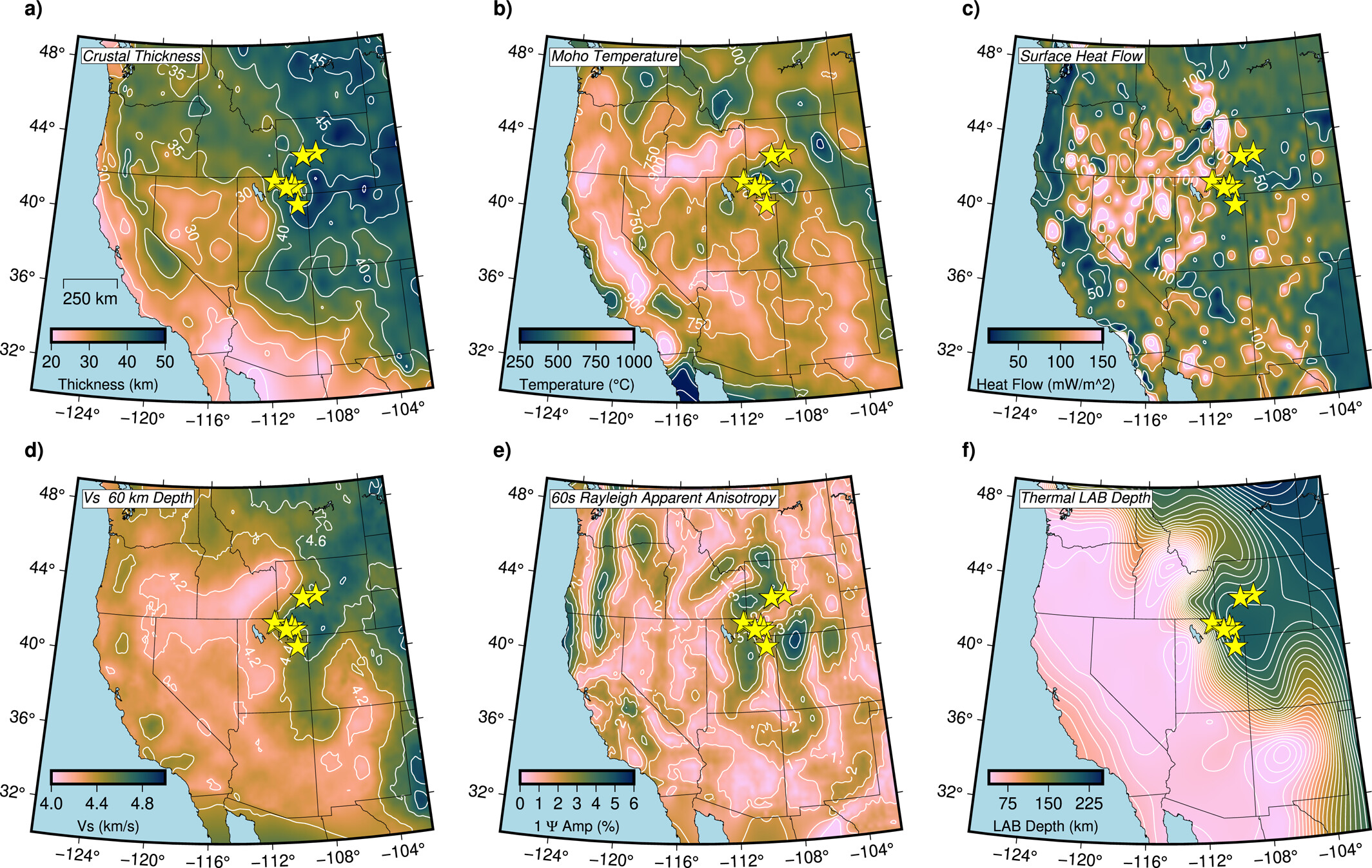
You Didn't Feel Continental Mantle Earthquakes, But They Happened. A Lot

A 1979 seismic event was a different kind of earthquake, and it is has intrigued scientists ever...
How To Overcome Leadership Battles

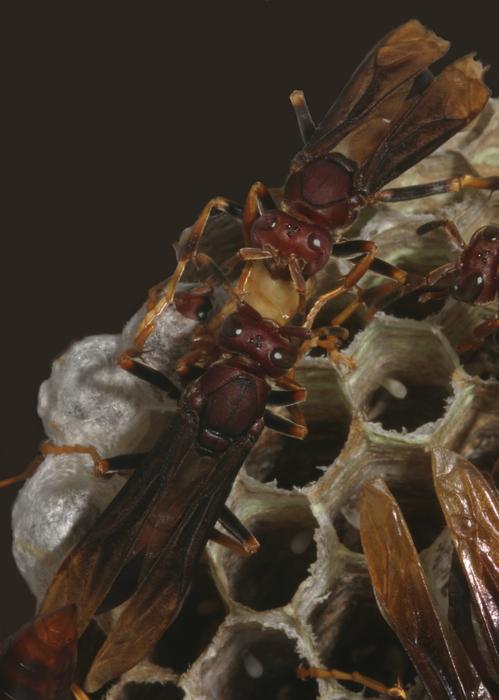
In times of social rancor and strife, most will fight each other, but societies are saved by those...
Thousands Of Unpublished Studies Show Why Conservation Efforts Miss The Mark

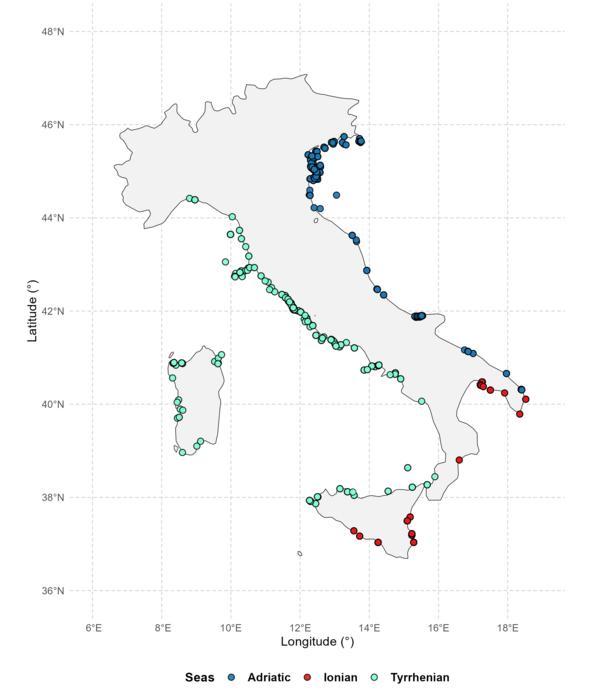
Europe alone has so much unpublished, un-catalogued biological data that it is challenging to take...

Why Antarctic Sea Ice Stopped Growing In 2015

Though numerical models and popular films like An Inconvenient Truth projected Arctic ice...

User picture.
News StaffRSS Feed of this column.

News Releases From All Over The World, Right To You... Read More »

Blogroll

Using data from the SCIAMACHY instrument aboard ESA's environmental satellite Envisat, scientists have determined that the carbon monoxide hovering over Australia during the wildfire season largely originated from South American wildfires some 13 000 kilometres away.

Using SCIAMACHY, Annemieke Gloudemans from SRON Netherlands Institute for Space Research and her colleagues at Utrecht University, the Vrije Universiteit Amsterdam and the Netherlands Meteorological Institute (KNMI) witnessed large quantities of released carbon monoxide (CO) above the southern continents. They also saw increased concentrations of carbon monoxide above Central Australia, a desert region that is not prone to forest fires.

For years, scientists have studied the molecular basis of memory storage, trying to find the molecules that store memory, just as DNA stores genetic memory.

Brandeis University researchers report for the first time that memory storage can be induced and then biochemically erased in slices of rat hippocampus by manipulating a so-called "memory molecule," a protein kinase known as CaMKII.

No snowflake in an avalanche takes the blame.

Using the same database that the Centers for Disease Control and Prevention (CDC) uses to confirm the rise in obesity rates, researchers have concluded that 100 percent juice is not associated with young children being overweight or at risk for becoming overweight.

Ever since the relationship between land area and number of species crystallized into a mathematical power function, islands and island archipelagoes have been thought of as biological destinations where species from large continents arrive and, over time, evolve into new species in geographic seclusion.

Since islands have many times fewer species than the continent, it seemed only logical that continents were rich sources from which islands drew only a small sample. Once isolated and with fewer species around, island organisms were thought to lose their competitive edge and so they hardly ever re-colonized the continent from which they originated.


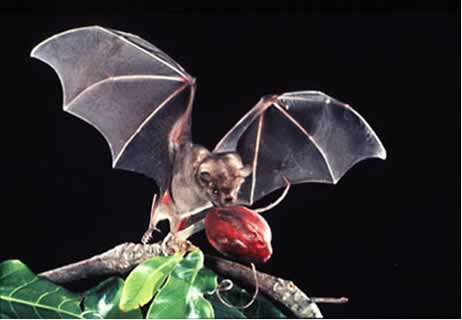
Jamaican fruit bat. Photo: Copyright; Merlin D.

It is highly unlikely that older women generate new eggs, report researchers at the University of South Florida in collaboration with a center in China.

The USF study counters the controversial findings of reproductive endocrinologist Jonathan Tilly, PhD, and his team of Harvard scientists. Tilly's work, published in 2004 in Nature with a follow-up study a year later in Cell, challenged the biological dogma that mammals, including women, are born with a limited lifetime supply of eggs.

XDx, a molecular diagnostics company, today announced its AlloMap® molecular expression test will be the subject of presentations and discussions at the American Transplant Congress 2007.

The test, currently used to detect the absence of heart transplant rejection instead of routine invasive heart muscle biopsies, has now been shown to correlate with oxygen saturation levels, cardiac filling pressures, and the electrical properties of the transplanted heart.

Also, data from the Lung Allograft Rejection Gene expression Observation (LARGO) study presented at the ATC sessions demonstrate that a non-invasive blood test can detect cytomegalovirus-induced immune responses in lung transplant patients.