
Banner
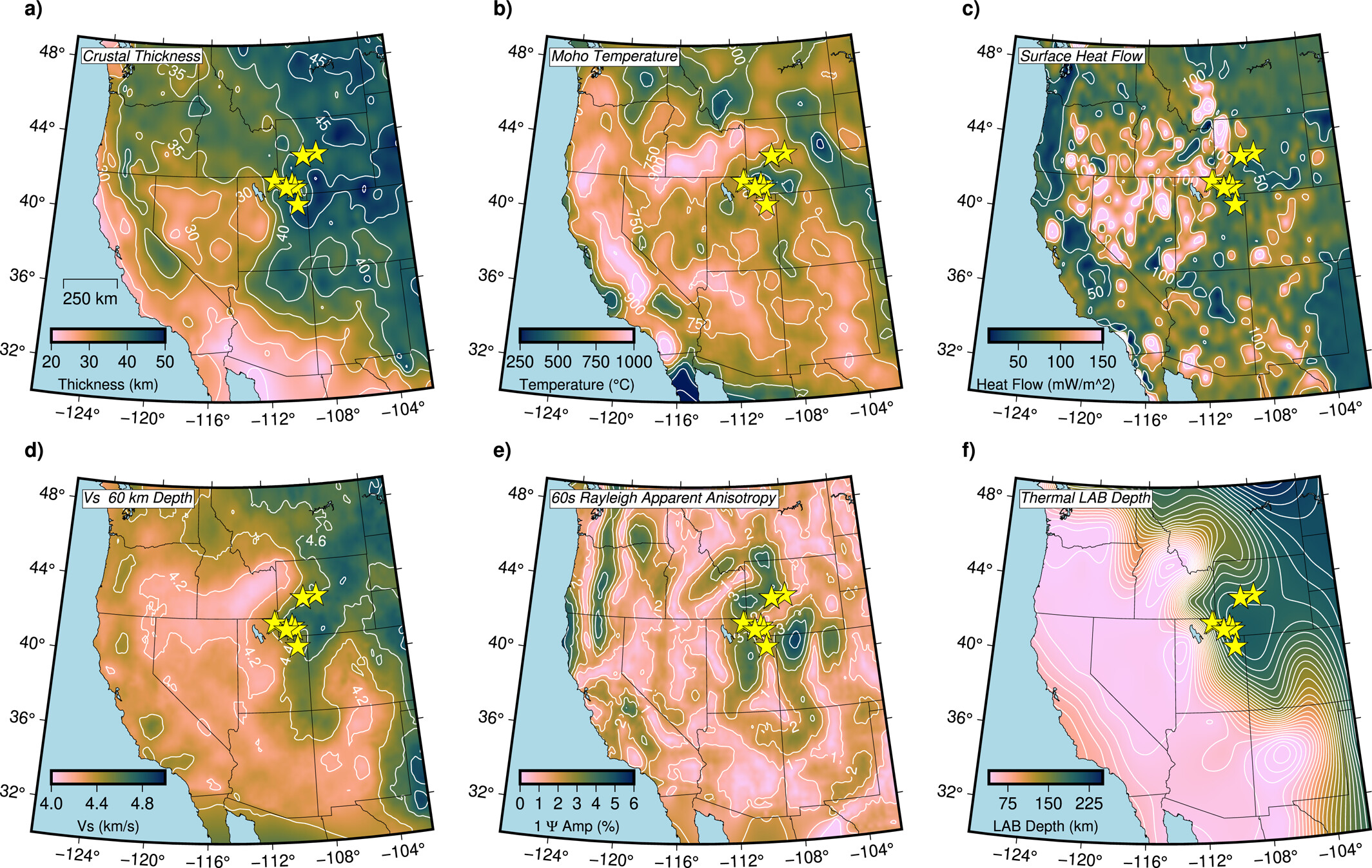
You Didn't Feel Continental Mantle Earthquakes, But They Happened. A Lot

A 1979 seismic event was a different kind of earthquake, and it is has intrigued scientists ever...
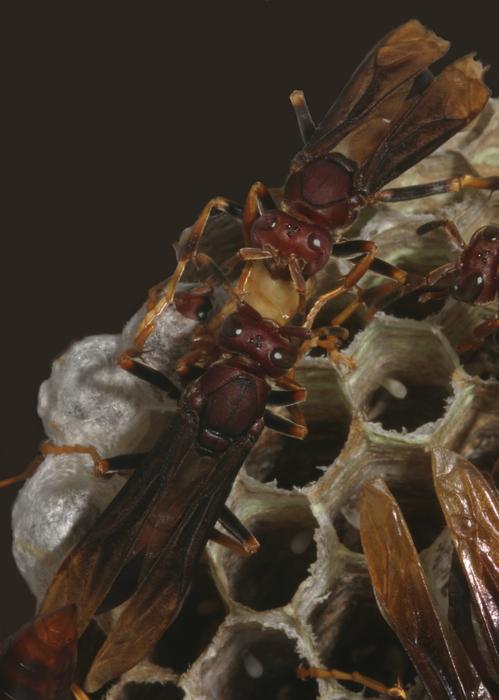
How To Overcome Leadership Battles

In times of social rancor and strife, most will fight each other, but societies are saved by those...
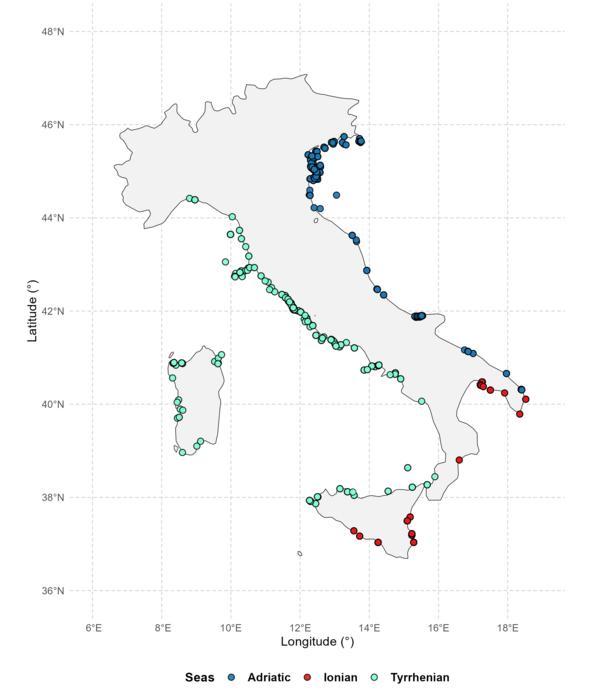
Thousands Of Unpublished Studies Show Why Conservation Efforts Miss The Mark

Europe alone has so much unpublished, un-catalogued biological data that it is challenging to take...

Why Antarctic Sea Ice Stopped Growing In 2015

Though numerical models and popular films like An Inconvenient Truth projected Arctic ice...

User picture.
News StaffRSS Feed of this column.

News Releases From All Over The World, Right To You... Read More »

Blogroll

Researchers at The University of Warwick and Leicester University have used an artificial snot (nasal mucus) to significantly enhance the performance of electronic noses.

The researchers have coated the sensors used by odour sensing "electronic noses" with a mix of polymers that mimics the action of the mucus in the natural nose. This greatly improves the performance of the electronic devices allowing them to pick out a more diverse range of smells.

Scientists at the Salk Institute for Biological Studies have identified an enzyme that pumps up a cell’s ability to maintain healthy muscle and restores normal muscle function in genetically engineered mice with weak muscles. The study, published online in Nature Medicine, is the first to explore the part this enzyme plays in a cascade of events triggered by exercise-induced hormones and other signals.

After completing a two-year pilot phase, scientists at the Woods Hole Research Center are expanding the scope of the "National Biomass and Carbon Dataset" for the year 2000 (NBCD2000), the first ever inventory of its kind, by moving into the production phase.


To date, 5 of the 66 mapping zones have been completed in the NBCD2000 project. The remaining 61 will be completed at an approximate rate of one every seven working days. Credit: Wayne Walker/Greg Fiske. Woods Hole Research Center.

Want to know if the International Space Station is over you right now? You can view the location of ESA's Earth-orbiting spacecraft and other ESA-related missions in real-time via a new tracking site.


Credits: ESA

Research shows that adolescents who engage in one form of risky behavior, like drug or alcohol use, are likely to engage in other risky behaviors like self-harm, or having unprotected sex, but often times these behaviors are not discussed during a medical or mental health exam. Now, a new study shows that a simple and brief screening measure called the adolescent risk inventory (ARI) can quickly identify the broad range of risk behaviors found among adolescents.

Recent data from the Lung Allograft Rejection Gene expression Observational (LARGO) study provides compelling evidence that profiling gene expression in peripheral blood can detect organ rejection in lung transplant patients.

Data from the study shows that the immune responses of lung transplant recipients can result in novel molecular signatures identifying the absence or presence of acute cellular rejection (ACR). That molecular signature can be identified using the quantitative real-time polymerase chain reaction (RT-PCR), a technology that measures the intracellular RNA levels of individual genes.



