Banner
You Didn't Feel Continental Mantle Earthquakes, But They Happened. A Lot

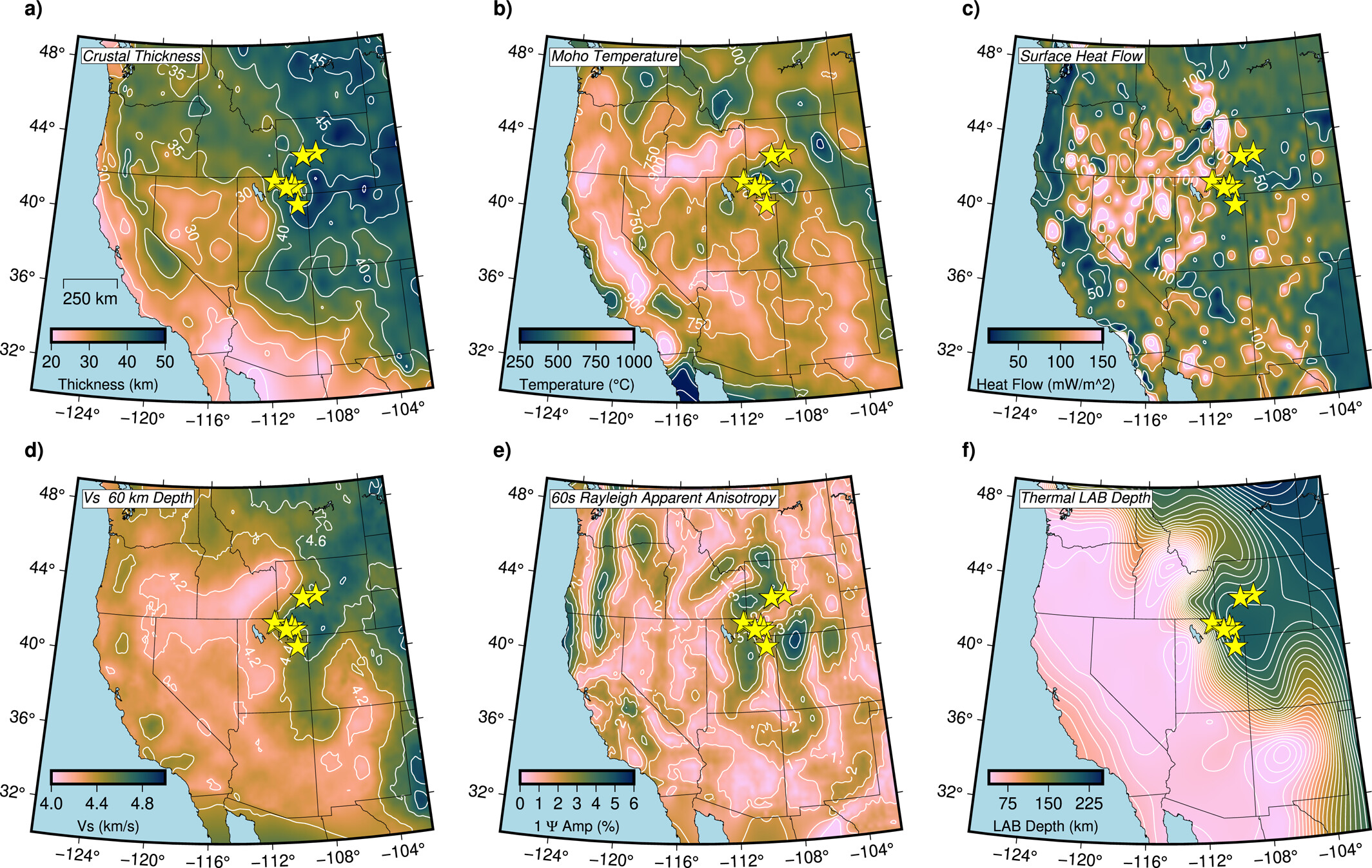
A 1979 seismic event was a different kind of earthquake, and it is has intrigued scientists ever...

How To Overcome Leadership Battles

In times of social rancor and strife, most will fight each other, but societies are saved by those...

Thousands Of Unpublished Studies Show Why Conservation Efforts Miss The Mark

Europe alone has so much unpublished, un-catalogued biological data that it is challenging to take...

Why Antarctic Sea Ice Stopped Growing In 2015

Though numerical models and popular films like An Inconvenient Truth projected Arctic ice...

User picture.
News StaffRSS Feed of this column.

News Releases From All Over The World, Right To You... Read More »

Blogroll

The good news: improved health care is reducing occurrences of intestinal parasites worldwide. The bad news: at the same time, rates of asthma are increasing worldwide. The link between these trends? Evolution – human evolution. The human immune system has evolved in the constant presence of intestinal parasites. The immune system is designed to react to these parasites – in their absence, the immune system overreacts to simple allergens, resulting in asthma. Its evolved state is mismatched to modernity. Similar mismatches produce increased risk of diabetes, obesity, and cardiovascular disease in modern adult populations. Globalization is making understanding these types of complex evolutionary relationships more relevant in medicine as human environments change.

A new climate modeling study forecasts the complete disappearance of several existing climates in tropical highlands and regions near the poles, while large swaths of the tropics and subtropics may develop new climates unlike any seen today.

In general, the models show that existing climate zones will shift toward higher latitudes and higher elevations, squeezing out the climates at the extremes--tropical mountaintops and the poles--and leaving room for unfamiliar climes and new ecological niches around the equator.

An odd, six-sided, honeycomb-shaped feature circling the entire north pole of Saturn has captured the interest of scientists with the Cassini mission.

This atmospheric feature was already imaged by NASA’s Voyager 1 and 2 spacecraft over two decades ago. The fact that it has appeared in Cassini images indicates that it is a long-lived feature. A second hexagon, significantly darker than the brighter historical feature, is also visible in the Cassini pictures. The spacecraft's visual and infrared mapping spectrometer (VIMS) is the first instrument to capture the entire hexagon feature in one image.

Nanomechanical oscillators -- tiny strips of vibrating silicon only a few hundred atoms thick -- are the subject of extensive study by nanotechnology researchers. They could someday replace bulky quartz crystals in electronic circuits or be used to detect and identify bacteria and viruses.

The catch is that measuring their vibrations isn't easy. It is usually done by bouncing laser beams off them -- which won't work when the nanodevices become smaller than the wavelength of the light -- or with piezoelectric devices -- those bulky quartz crystals we're trying to get rid of.


Schematic of the experimental setup.

A pioneering “biofuel cell” that produces electricity from ordinary air spiked with small amounts of hydrogen offers significant potential as an inexpensive and renewable alternative to the costly platinum-based fuel cells that have dominated discussion about the “hydrogen economy” of the future, British scientists reported here today.

The research was presented at the week-long 233rd national meeting of the American Chemical Society, the world’s largest scientific society.

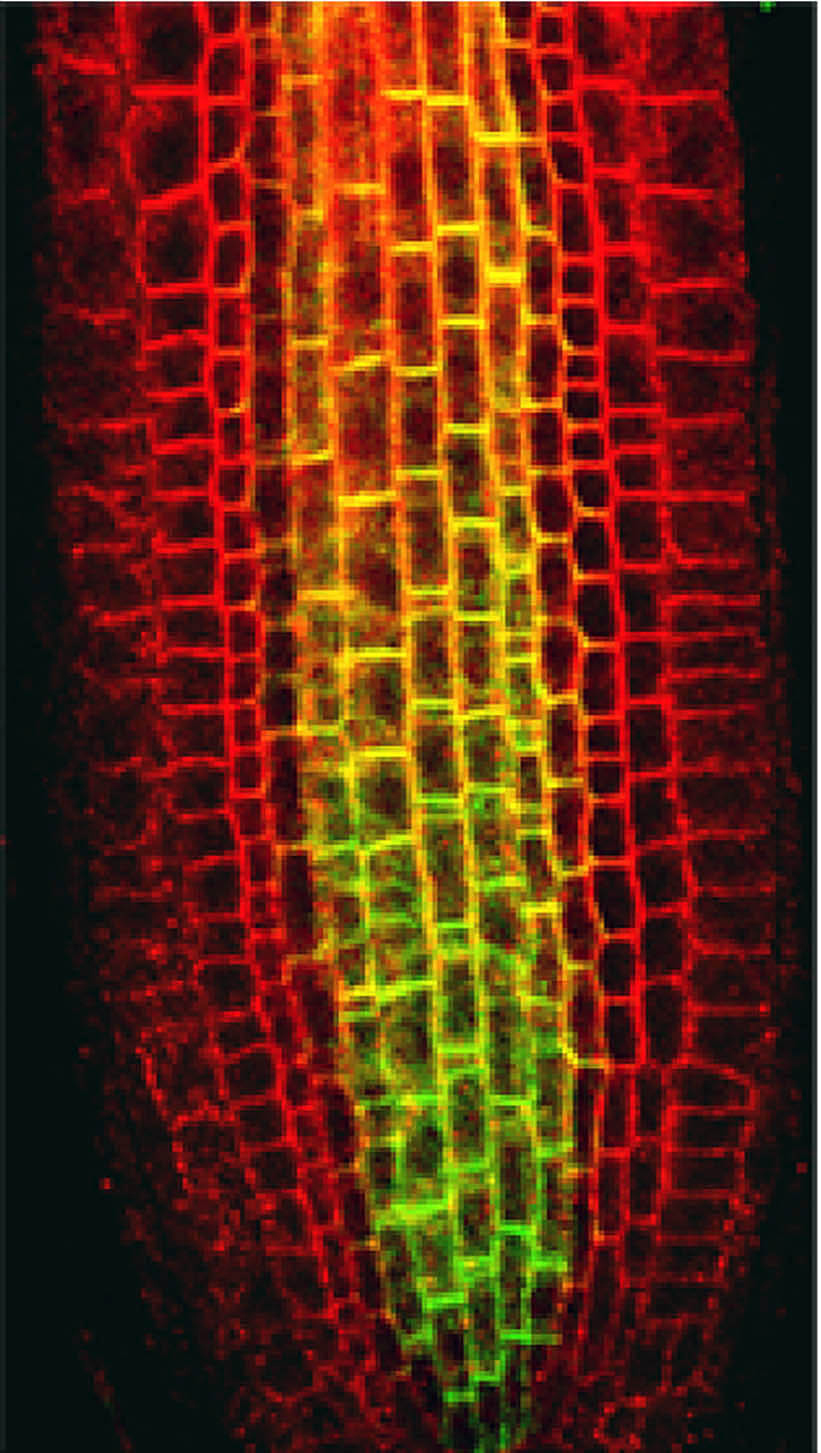
An international team of researchers has discovered that two types of plant proteins are at work in the transport of an important growth hormone, a finding that could have applications in creating plants with specific characteristics.

Previously thought to function independently, the two types of proteins were shown to comprise mechanisms that work both cooperatively and synergistically, depending upon their location in the plant. Together they control the movement of auxin, a hormone that, among other functions, regulates plant architecture, tissue development and flowering time.