Banner
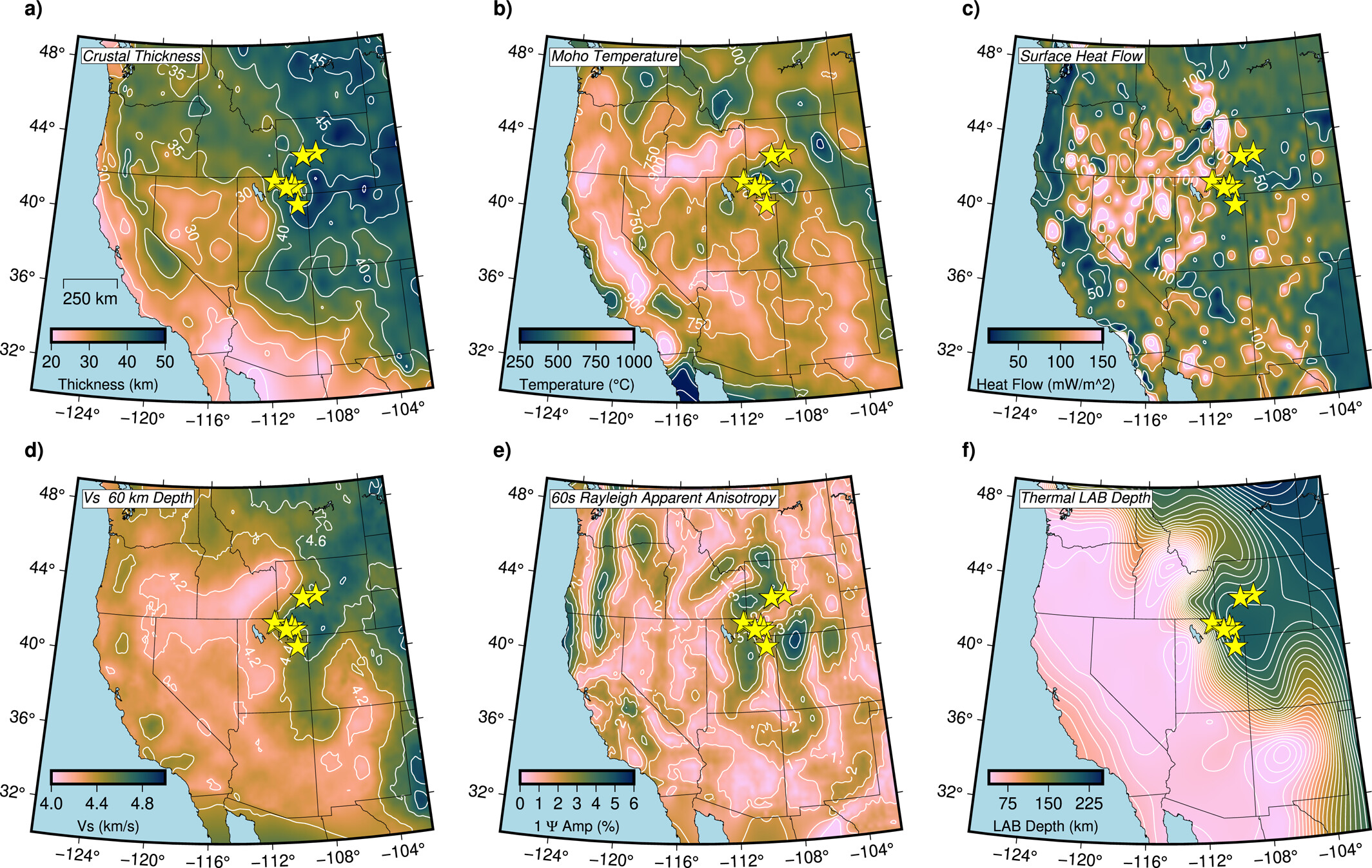
You Didn't Feel Continental Mantle Earthquakes, But They Happened. A Lot

A 1979 seismic event was a different kind of earthquake, and it is has intrigued scientists ever...
How To Overcome Leadership Battles

In times of social rancor and strife, most will fight each other, but societies are saved by those...
Thousands Of Unpublished Studies Show Why Conservation Efforts Miss The Mark

Europe alone has so much unpublished, un-catalogued biological data that it is challenging to take...

Why Antarctic Sea Ice Stopped Growing In 2015

Though numerical models and popular films like An Inconvenient Truth projected Arctic ice...

User picture.
News StaffRSS Feed of this column.

News Releases From All Over The World, Right To You... Read More »

Blogroll
Age is relative. If you put two people the same chronological age next to each other, one may look younger while one may nonetheless be biologically younger. Yet age is the biggest risk factor for most diseases even though it doesn't tell much of a health story.

Population statistics about age are as pointless in individual care as most epidemiology, but they can provide proxies for biological aging that at least have people taking important things for their future, rather than placebos like a USDA food servings chart.
One of the largest mass extinctions ever is bad. Six marine extinctions is even worse. That all happened in one period now known as The Devonian Period, 419 to 358 million years ago.

Yet that is also when the world got the trees and complex land plants similar to those we know today first evolving and spreading across the landscape. Those complex root systems affected soil biogeochemistry and set off part of the chain that allowed humans to thrive.
In 2022, the United States surpassed one million COVID-19 related deaths. Many of them had co-morbidities that are risk factors for many diseases, like old age, cancer, or respiratory issues.

Added into those risk factors were lifestyle diseases like obesity, type 2 diabetes, and smoking, all of which are linked to poorer outcomes from COVID-19 infections. Those have all long been linked to negative health outcomes, which is why we have advocated for exercise, sensible diets, and giving up cigarettes as first lines of defense against many future problems.
A new paper describes the perfect combination of genetic alterations that tumors use to promote explosive growth and prevent their own demise, a development that could change the way oncologists understand and treat melanoma.

Telomeres, protective caps at the of the end of the chromosome, are required to prevent DNA from degrading. In healthy cells, telomeres become shorter with each cycle of replication until they become so short that the cell can no longer divide. Disruptions in maintenance of the length of the telomeres can lead to severe disease. Short telomere syndromes lead to premature aging and death, but extra-long telomeres are associated with cancer.
If you have ever visited or Florida or any place with rainfall extremes at sub-hourly timescales - short storms - residents joke that if you don't like their weather, wait five minutes and it will change.

A new analysis says those changes may be happening quickly, and are intensifying much faster than those on longer hourly or daily timescales. Which means greater chance for damaging environmental hazards like flash flooding. If these intense short-duration precipitation events are being affected by our changing climate. understanding them is crucial for effective climate adaptation and mitigation. 
Heart inflammation after a COVID-19 vaccine is very rare but epidemiology exists to vreate exploratory between products and outcomes and a recent analysis showed incidence of myocarditis, pericarditis or myopericarditis is two- to threefold higher after a second dose of the Moderna Spikevax COVID-19 vaccine compared to the Pfizer BioNTech COVID-19 vaccine.

That's not a reason to avoid a vaccine, any more than you should stop eating salad if it has a regular pesticide rather than an organic one, but it may mean that it's beneficial to choose specific vaccines for certain populations.