Banner
You Didn't Feel Continental Mantle Earthquakes, But They Happened. A Lot

A 1979 seismic event was a different kind of earthquake, and it is has intrigued scientists ever...

How To Overcome Leadership Battles

In times of social rancor and strife, most will fight each other, but societies are saved by those...
Thousands Of Unpublished Studies Show Why Conservation Efforts Miss The Mark

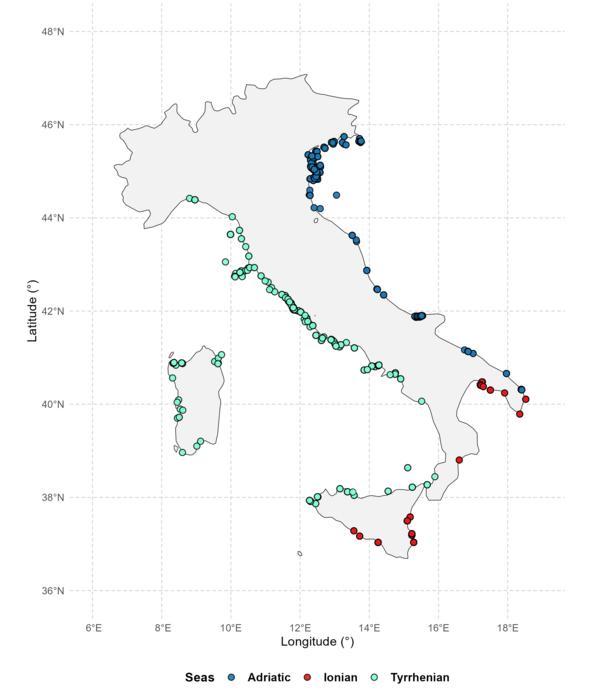
Europe alone has so much unpublished, un-catalogued biological data that it is challenging to take...

Why Antarctic Sea Ice Stopped Growing In 2015

Though numerical models and popular films like An Inconvenient Truth projected Arctic ice...

User picture.
News StaffRSS Feed of this column.

News Releases From All Over The World, Right To You... Read More »

Blogroll
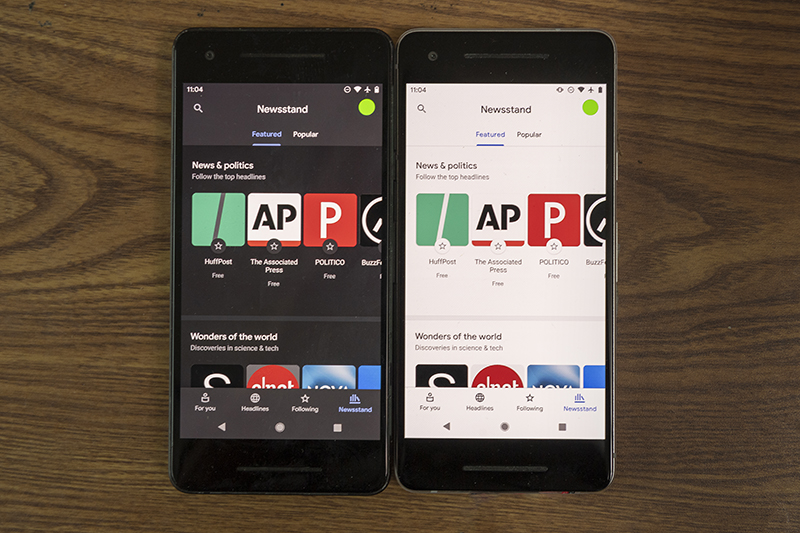
Smartphones tout 'dark mode' as an energy-saving feature, because darker-colored pixels use less power than lighter-colored pixels.

It's mostly an intellectual placebo, finds a new study, because of the way most people use their phones on a daily basis. The study looked at six of the most-downloaded apps on Google Play: Google Maps, Google News, Google Phone, Google Calendar, YouTube and Calculator. The researchers analyzed how dark mode affects 60 seconds of activity within each of these apps on the Pixel 2, Moto Z3, Pixel 4 and Pixel 5.
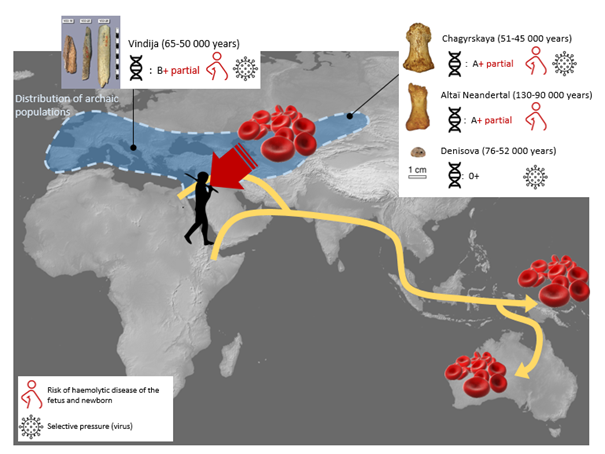
A recent blood group analysis of three Neanderthals and one Denisovan confirm their African origin, Eurasian dispersal, and interbreeding with early Homo sapiens. Intriguingly, it also added evidence of low genetic diversity and possible demographic fragility.

Neanderthals and Denisovans are extinct hominin lineages but were present throughout Eurasia from 300,000 to 40,000 years ago. This paper isn't the first time they have been sequenced but using the genes underlying blood groups in previously sequenced genomes of one Denisovan and three Neanderthal females who lived 100,000 to 40,000 years ago allowed scholars to identify their blood groups.
Blood pressure is a risk factor for a heart event and angiotensin-converting enzyme (ACE) inhibitors and angiotensin receptor blockers (ARBs) are common prescriptions.

Both types of medicines work on the renin-angiotensin-aldosterone system, a group of related hormones that act together to regulate blood pressure. ACE inhibitors lower blood pressure by blocking an enzyme early in the system so that less angiotensin, a chemical that narrows blood vessels, is produced, and blood vessels can remain wider and more relaxed. ARBs block receptors in the blood vessels that angiotensin attaches to, diminishing its vessel-constricting effect. 
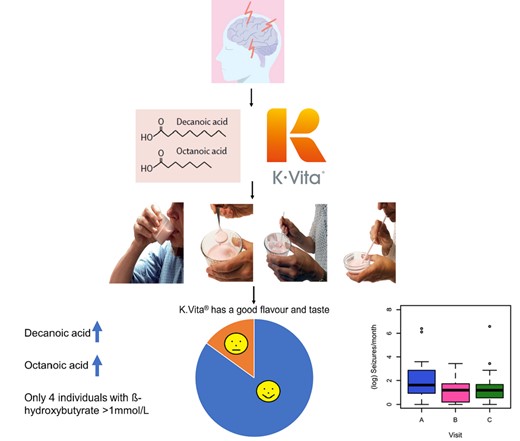
A just completed clinical trial of K.Vita (Betashot), a dietary treatment for children and adults with severe forms of epilepsy, found it was well tolerated and reduced seizures.

The product was developed to offset the risks of the ketogenic diet, which mimics a fasting state by altering the metabolism to use body fat as the primary fuel source. Ketosis is when the body switches from carbohydrates to fat for body fuel.

It has shown some success with drug-resistant epilepsies but the restrictive high-fat, low-carbohydrate diet can cause constipation, low blood sugar, and stomach problems. 

Alternative polyadenylation (APA) is an RNA processing mechanism that regulates gene expression by generating different ends on RNA transcripts of the same gene. Though it affects more than half of human genes, the significance of APA was poorly understood.

Now a new study by The Wistar Institute describes an important function of APA in allowing certain mRNAs to reach specific sites of protein synthesis and reveals that length, sequence and structural properties can determine the destination (and fate) of mRNAs within the cell.

During the COVID-19 pandemic, wealthier people had the money to stay home and order online. Not so for poor people, who instead made more trips to local dollar stores and small groceries to get their family's food.

Why is that bad? It isn't at face value, supporting local businesses is an aspirational claim for many, but a group of academics claim that without equal incomes and equal access to buying in bulk, poor people were worse off when it comes to making healthy food choices. That is like arguing muffin in a local bodega is bad while a muffin in a Whole Foods is good, when experts know the Whole Foods version has far more calories.