


When called on to explain why he lives in a gigantic mansion with its resulting environmental cost, Academy Award winner, Nobel laureate, and U.S. Vice-President Al Gore said he bought carbon offsets from a company he owned that sold carbon offsets.

Paying himself to emit greenhouse gases sounded ridiculous but a new analysis shows that buying offsets - paying a company to plant trees - can be just plain risky. 

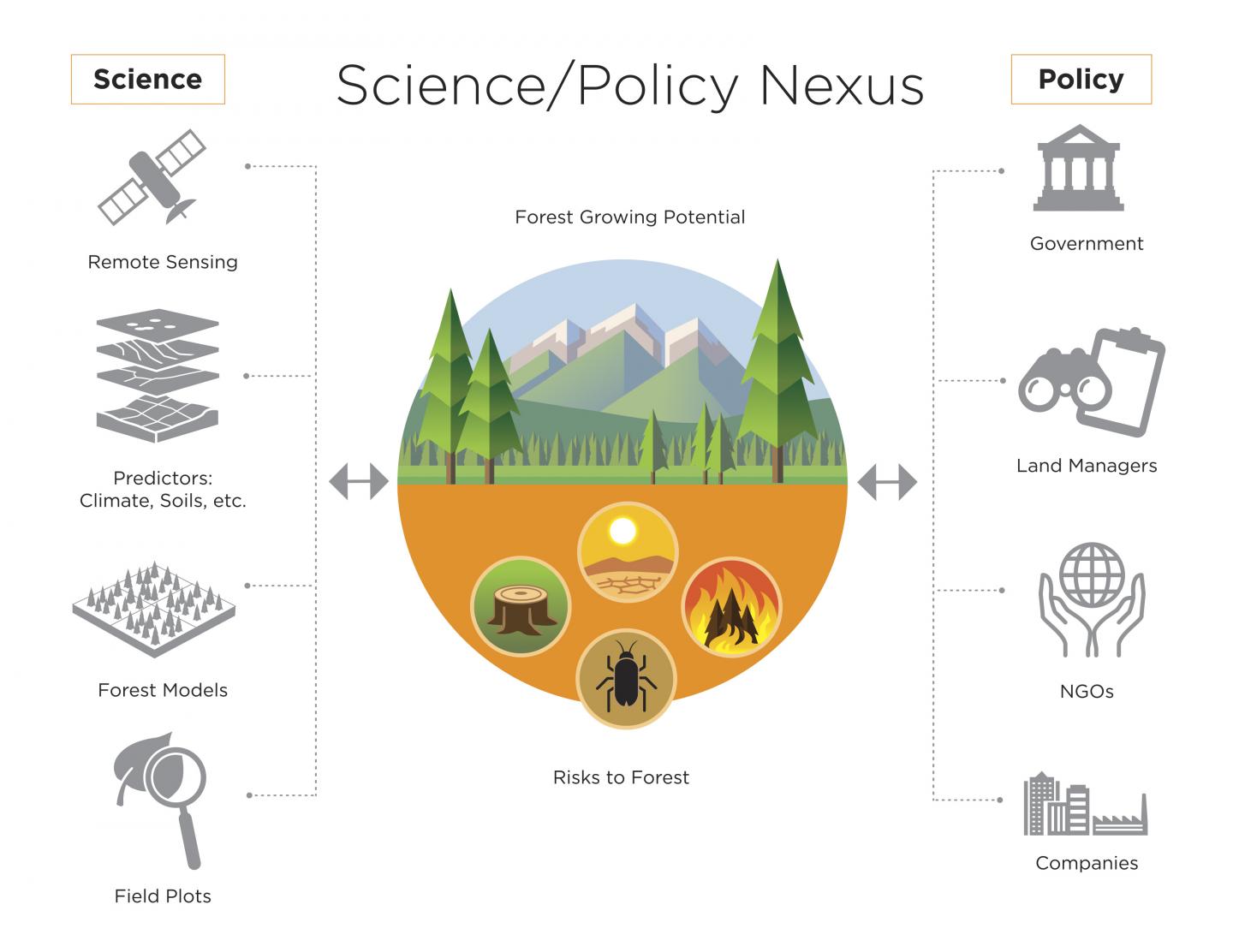
Forests absorb carbon dioxide from the atmosphere, but if they are managed by a group that doesn't believe in logging or clearing brush. If a forest goes bust in a fire all that stored carbon goes up in smoke again.


Credit: David Meikle, The University of Utah
There have been more celebrity suicides during the COVID-19 pandemic and while tragic, they may help to bring great awareness to the risks of depression and anxiety in other populations at all times. Such as pregnant and postpartum women.

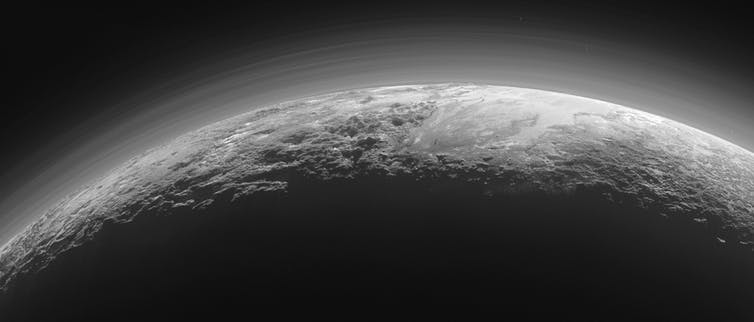
Pluto, along with many other dwarf planets in the outer solar system, is often thought of as dark, icy and barren – with a surface temperature of just −230°C.

But now a new study, published in Nature Geoscience, suggests that the body has had a warm interior ever since it formed, and may still have a liquid, internal ocean under its icy crust.

It could mean that other sizable icy dwarf planets may have had early internal oceans too, with some possibly persisting today. This is exciting, as where there’s warm water, there could be life.

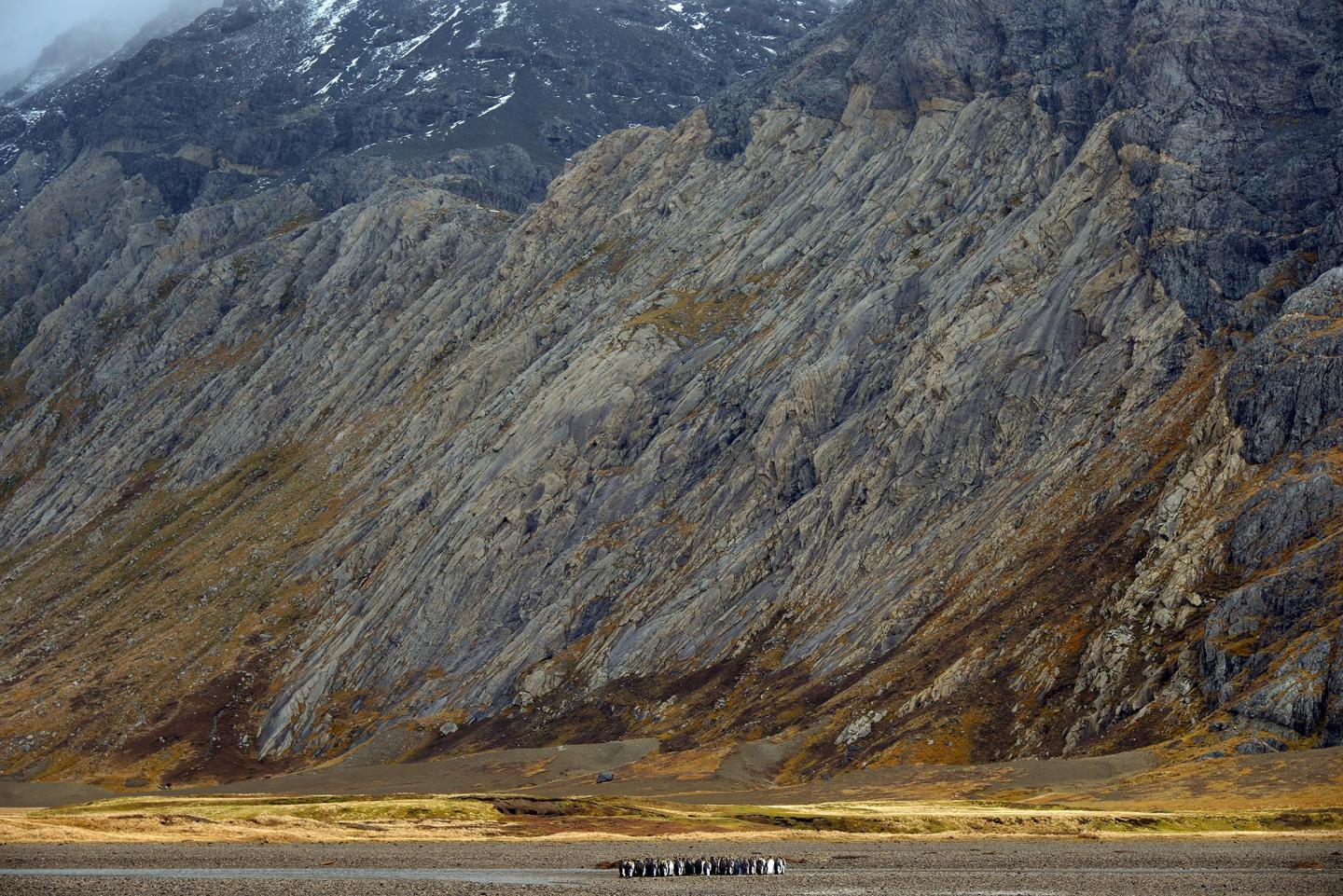
How did the continents form? It's a complex question, and no firm answers will be coming soon, but the oceanic plateau of the Kerguelen Islands may provide part of the answer, according to a new paper.

From a geological point of view, it is the Earth's outermost layer that distinguishes the continents from the oceans: oceanic crust, which is relatively thin, is mainly made up of basalts, resulting from the melting of the Earth's underlying mantle, whereas continental crust, which is thicker and of granitic composition, is derived from magmas that evolved at depth before solidifying.
Netflix is the big name in streaming, virtually everyone who has any interest in digital shows has heard of them, but they still give you a free trial.

No matter your size, and even if it's an existing customer, it makes good business sense, finds a new paper.
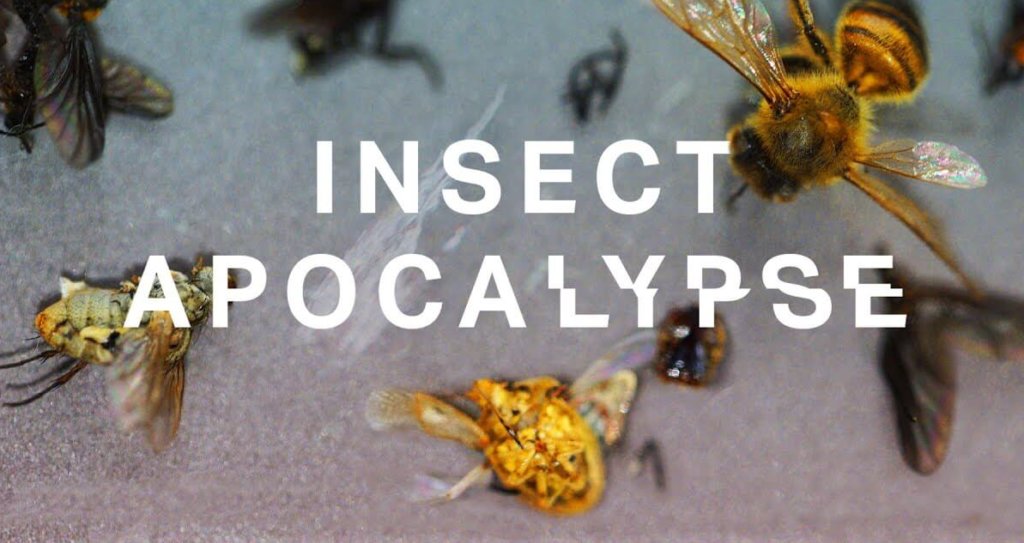
The last three years have been a banner time for environmental crisis hyperbole, especially when it comes to reporting about insects and agriculture.
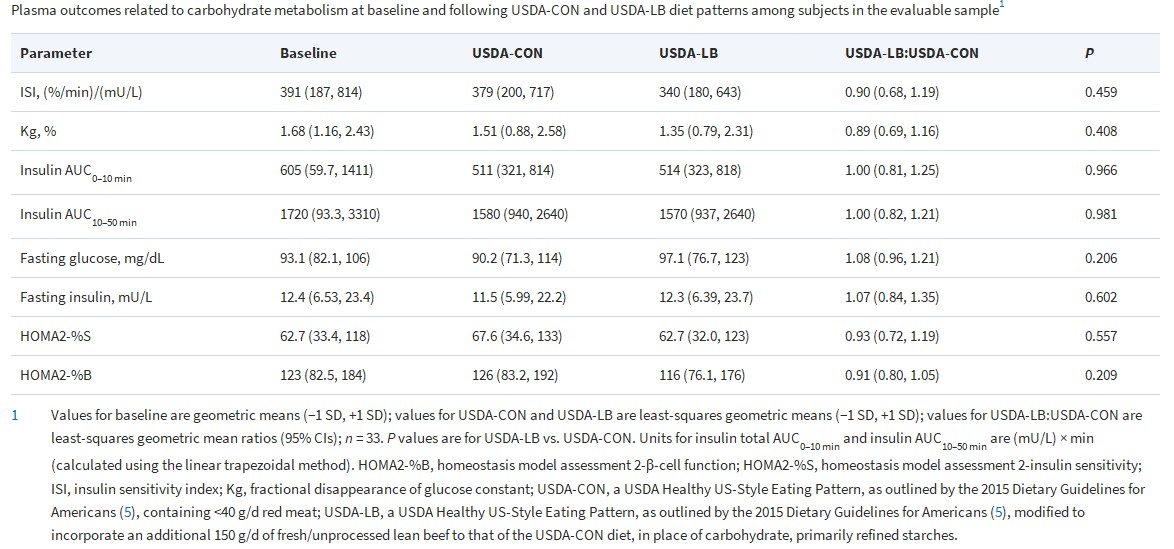
For decades there has been a statistical controversy about meat. By statistical I mean it was never a real health issue. Instead, though we clearly evolved to eat it, epidemiologists statistically correlated meat to dying and said therefore we shouldn't eat it. Though such studies noted down at the bottom that the relationship was not causal, they wanted the public to believe it because they highlighted the causal inference in press releases, and so media rushed to claim that meat causes heart attacks.

A few years ago, epidemiologists at France's International Agency for Research on Cancer (IARC) joined in, using their own meta-analyses to declare that meat was just as hazardous to health as plutonium. And smoking. And mustard gas.
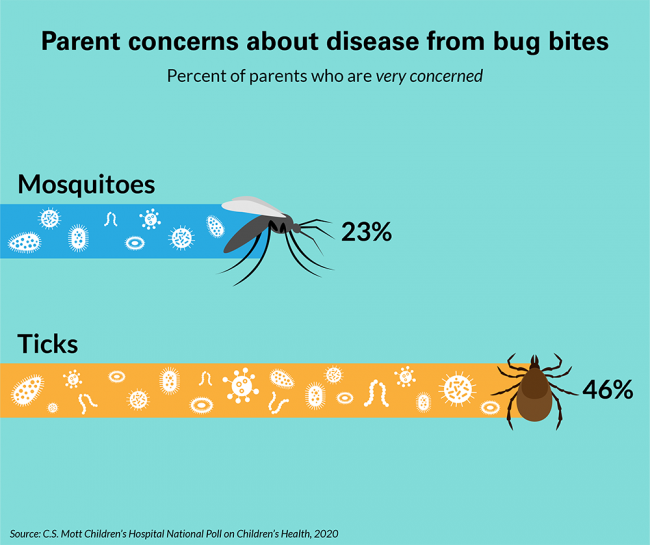
A few species of mosquitoes are nothing but carriers of disease, so pesticides were used to wipe them out in much of North America. Worldwide they remain a public health problem and while some ecologists claim a mythical (and scientifically debunked) 'balance of nature' and therefore insist Aedes aegypti might have some benefit, if we turned them extinct we'd have nothing but less  yellow fever, dengue fever, and Zika worldwide, the way we do in the U.S.
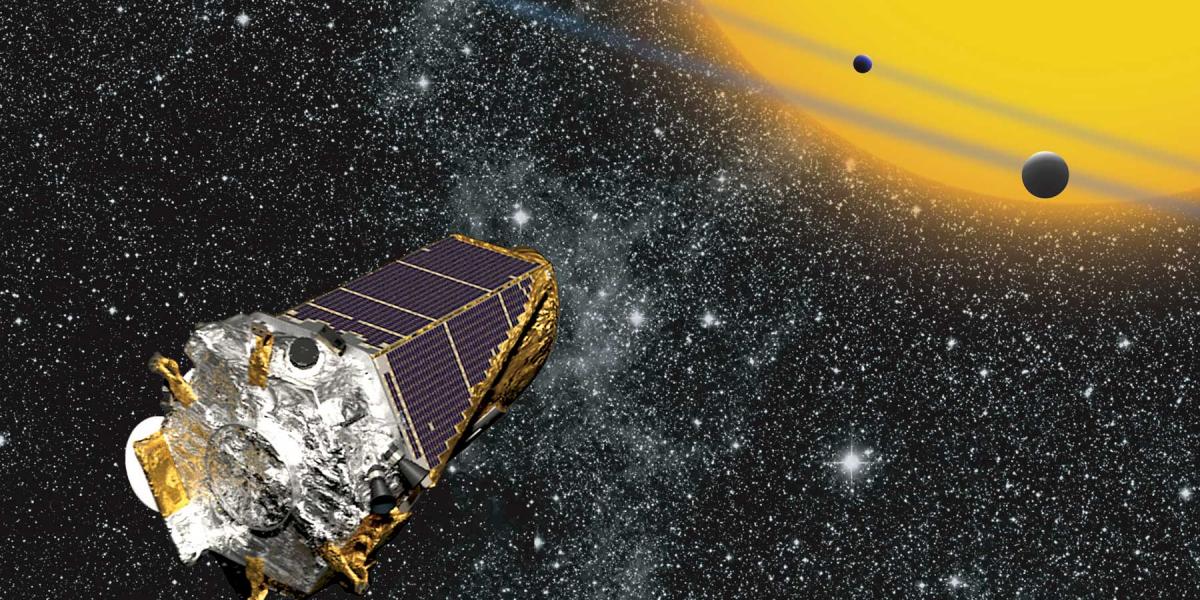
How big is the universe? No one really knows, but since we are in just one Orion spur of the arm of Sagittarius in one galaxy, and there are an unknown number of galaxies, it's big. So big our galaxy alone could have 6,000,000,000 planets like ours, according to a new estimate.

To be a potential planet like Earth, the new model estimating the number of planets like ours must be rocky, roughly Earth-sized and orbiting Sol-like (G-type) stars. It also has to orbit in the habitable zones of its star, which is the range of distances from a star in which a rocky planet could host liquid water  on its surface.
Fundamental science works by alternating phases of interpretation and refutation. When interpreting the result of experiments, physicists spend their time sweating shirt after shirt in the attempt of formulating economical and coherent explanations of observed phenomena. If the process converges, they formulate a theory which works well, whereby they celebrate for a little while. Then a second phase starts, when hypotheses are formulated on how to refute the shiny new model, finding effects and observatons that do not fit in the formulated framework. And so on.

