Ernst Haeckel created the first phylogenetic ‘tree of life’ of organisms 150 years ago in Jena, and published it in his major work, the ‘General morphology of organisms.’ It allowed for us to see diversity and the connections between species.
It was not only Darwin who influenced Haeckel’s creation. He was also inspired by a linguist who was his colleague and friend in Jena. “As early as 1863, the linguist August Schleicher created a first ‘family tree’ to represent the development of Indo-Germanic languages,” says Prof. Uwe Hoßfeld of Friedrich Schiller University Jena in Germany. “Ernst Haeckel eventually adopted this form of visualization.”
In the first installment
of this two-part post, I mentioned that from my perspective I had understood
Kaepernick had a right to protest as an American, but all of that sentiment had
changed through a series of interlocking events. Here is what I mean by the interlocking
events. There is curious coming together of a few topics from current events
that is taking place now.
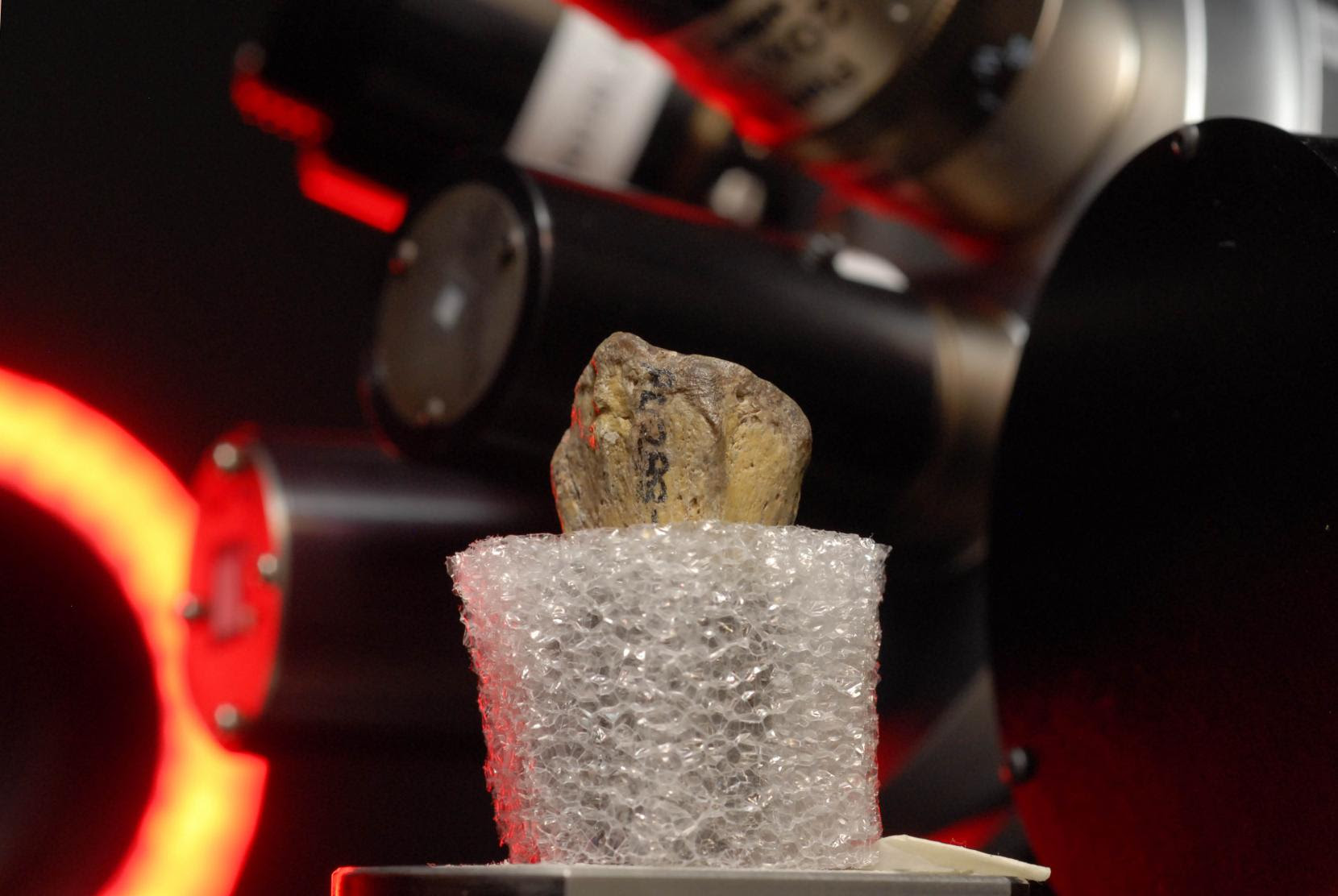
Evidence preserved in the internal skeletal structure of the famous Lucy fossil (
Australopithecus afarensis -
"southern ape of Afar") suggests the ancient human species frequently climbed trees, according to a new anal
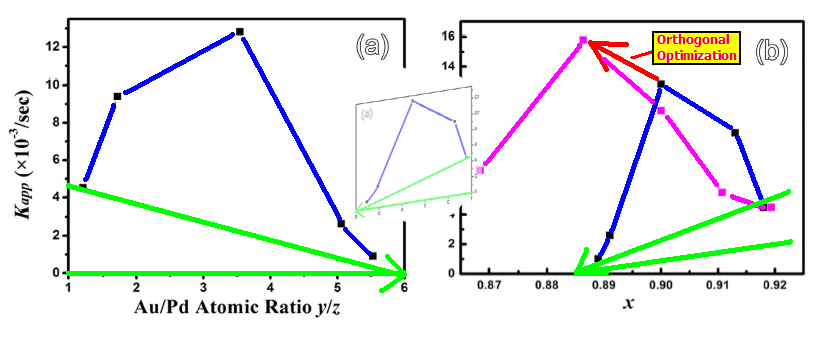
The engineering mindset often dismisses philosophy as useless for science. However, those who understand science or philosophy deeply also know that philosophy drives the cutting edge of science as much as scientific thinking is at the cutting edge of philosophy. This did not stop with Einstein and Feynman or Wittgenstein on the philosophical side. It is proven true once again by recent progress in nanotechnology and catalysis published in the Nature group of journals in November 2016. [
1] www.nature.com/articles/srep37092
I am told that when a patient is diagnosed with a terminal illness, he or she will likely go through a well-defined sequence of stages.
The first stage is Denial: the patient will convince him- or herself that there is a mistake in the diagnosis, that somehow the doctors are wrong, or something alike. It is a protective, visceral reaction, one preventing the shock of reckoning with a completely altered landscape. There follows a state of Anger: the "why me" sentiment is the cause of this state of mind. Then there is Fear, brought about by the lack of knowledge of what is coming. Then comes Grief - for oneself as well as for the loved ones. And finally, Acceptance, which brings peace to the soul.
In America we have the
right to protest, so when Kaepernick started his protest by refusing to honor
the flag and the national anthem during NFL pre-game ceremonies a lot of people
thought it was wrong, and a lot of people thought it was right. That’s America
for you. And no matter what anybody thought, nobody disagreed about the fact
that it was his right to protest like that – it is part of what it means to be
American. It’s about free speech and our inalienable rights as American
citizens.
A
recent study
from French government researchers reported new results on the exposure of
pregnant women to more than 100 substances that might be a concern for the
health of a developing fetus. The study
examined exposure to various metals (e.g., lead, mercury, arsenic) and many
common organic compounds that we might encounter in our daily lives.
There is no clear cut-off age to stop breast cancer screening, according to a new analysis which adds support for guidelines that encourage screening decisions based on individual patients and their health status. But which puts doctors, hospitals and insurance companies at risk in a defensive medicine environment where there are unlimited potential damages if an attorney gets a cancer patient in front of a jury.
Neanderthals modified their survival strategies even without external influences like environmental or climate changes, according to an analysis using carbonate isotopy in fossilized teeth that 250,000 years ago, the ancestors of modern man were more advanced in their development than previously thought.
The fossils were from the excavation site at Payre in southeastern France. Carbonate is an essential mineral component of the hard tissue in bones and teeth. Among other things, the isotope composition in the carbonate reflects an organism’s drinking and feeding habits.
If the climate becomes cooler or warmer, species are forced to adapt their survival strategies – this also holds true for our ancestors, the extinct Neanderthals.
Across Europe, town and city councils are becoming increasingly interested in energy decentralization, i.e. in producing power closer to where it is consumed, which could reduce energy costs for citizens who already feel their economic backs being broken by political beliefs about alternative energy that doesn't involve nuclear.
Heidelberg is a city in Germany with a long-running energy company that has managed to keep costs lower than centralized schemes. The city-owned company is responsible for managing gas, heating, and the water and sewage systems. They even have a plan to migrate more to renewables in the future.