In scoliosis treatment for babies, doctors often try bracing first and if that fails, they escalate to surgery; placing metal rods in their backs with spinal fusion.
These children face the risk of complications from the surgery and their backs and chests may be stiff for life. New research from the University of Rochester Medical Center (URMC) may lead doctors to choose to optimize an old technology – casting – instead of using high-tech implantable devices. Casting has fewer, and less serious potential complications and it requires no surgery. In fact, with the right training and equipment, the specialized series of casts can be done as outpatient procedures.
Most recent intellectual developments in post-human complex systems (see, e.g., www.hesiodproject.net) perceptively conclude that “social equilibrium” is just a theoretical state. But it is also something quite undesirable. Equally undesirable is a linear, predictable, stable, orderly, homogenous and pure human world.
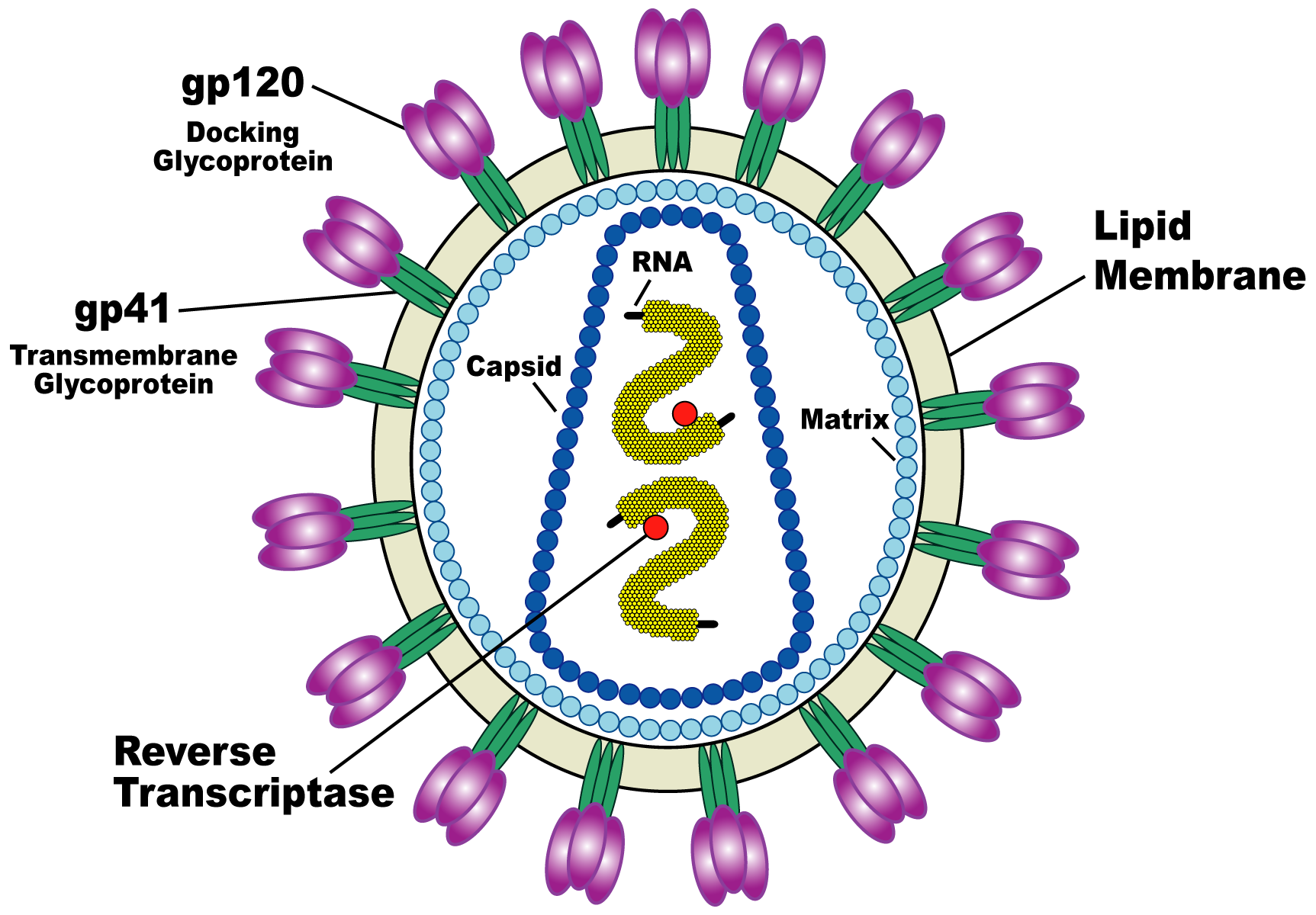
HIV/AIDS has been one of the most devastating diseases of the twenty first century. Since the discovery of the HIV virus, our research has demystified the life cycle and actions of the virus, but we have yet to develop a vaccine or adequate long term treatments to the infection.
Treatment options for HIV positive patients are limited. Anti-retroviral drugs have helped to significantly increase the quality of life for patients, but taking the highly active anti-retroviral therapy (HAART) leads to HIV resistance and adaptation, leaving patients unable to control or suppress their viral load.
Galileo merged the fields of cosmology and astronomy, thanks to his telescope, which gave scientists a more accurate way to observe and define the heavens. His telescope helped shift authority in the observation of nature from men to instruments. From backyard astronomers to the Hubble Telescope to the Vatican Observatory, Galileo’s impact on astronomy is both formative and lasting.
Here's an experiment. Prepare for 3 days of hiking. Pack light-- sleeping bag, tarp, knife, matches. Bring protein bars and rice for food. And then pick up 3 gallons (11 liters) of water and start walking. What's the heaviest part of your gear? Of course it's the water.
If we're going to get anywhere in this solar system, we need to go where there is water. Everything else can be dehydrated, miniaturized, made more portable. You can even make oxygen from water, just by adding some electricity (such as from solar power). But water-- which also makes up most of our body-- is the one item we so desperately need, but can't mimic.
Like Spain, Israel, the USA and some other countries, a survey of Danish citizens support using GM plants for production of pharmaceuticals - science Austria, Germany and Japan and some others do not accept.
Isn't it 'against' nature? Yes, Danes think that too, though clearly all medicine is against nature and they have a clear understand of what the word 'organic' means outside the political-social context.
Using genetically modified plants and animals as production platforms for medicine allows pharmaceuticals to be produced faster, more flexibly and profitably. Examples of this form of medicine production is ATryn (antithrombin alfa), produced by genetically modfied goats. Atryn is used to treat blood clots.
Not a week goes by in science that there isn't a new study related to synthetic biology or nanotechnology. They are two of the hottest fields in science and there is discussion of either ethical or environmental concerns on a recurring basis.
But the science is almost completely unaware of both, which human embryonic stem cell researchers may state would be a good thing but in reality a lack of buzz about newer areas of science mean it won't get funding, which will instead go to subsidizing old alternative energy technology policy that advisors in government like.
In an article reviewed by Faculty of 1000: Biology and Medicine, Faculty Members Robert Ruff, Brian Olshansky and Luis Ruilope say the blood-thinner dabigatran is shown to protect against stroke, blood clotting and major bleeding as effectively as warfarin, but with fewer side effects.
The original paper, "Dabigatran versus warfarin in patients with atrial fibrillation", by Neal Devaraj and Stuart Connolly et al. in the New England Journal of Medicine, said warfarin (also commonly used in rat poison) has several drawbacks; finding the correct dosage requires careful and laborious monitoring and the risk of major bleeding has led to it being under-used.
Air pollutants which travel from a country like China, the world's top producer of CO2 who also happens to be exempt from Kyoto because they insist they are a developing nation, impact the USA and then on to Europe, says a new report by the National Research Council.
Poor air quality is most strongly a result of local emissions but the influence of non-domestic pollution sources may grow as emissions from developing countries increase and become relatively more important as a result of tightening environmental protection standards in industrialized countries.
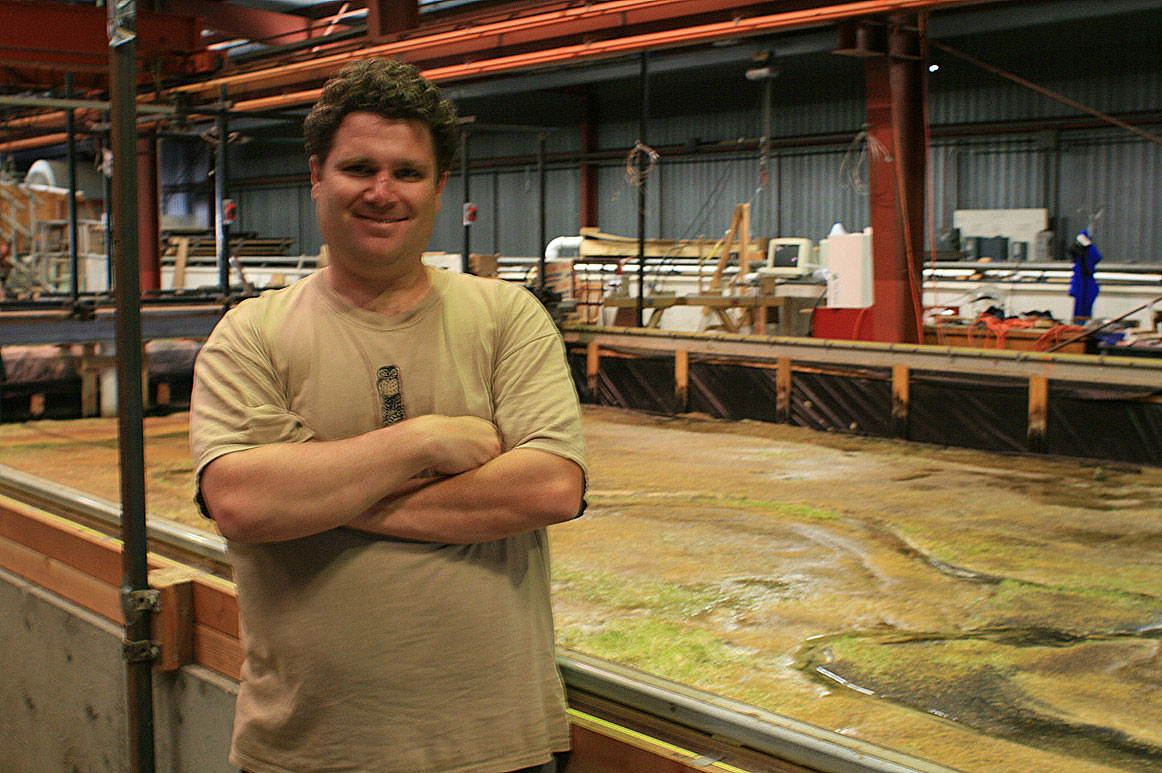
Should you use sand for stream restoration? Common wisdom said no, because it disrupts salmon spawning, researchers have successfully built and maintained a scale model of a living meandering gravel-bed river in the lab and found that sand is indispensable for helping to build point bars and to block off cut-off channels and chutes--tributaries that might start and detract from the flow and health of the stream.
The significance of vegetation for slowing erosion and reinforcing banks has been known for a long time, but this is the first time it has been scientifically demonstrated as a critical component in meandering.