In the age of the dinosaurs, you could have walked from one pole to another. At that time, the continents were all joined together, forming the supercontinent Pangea.
Yet they didn't.Though sauropodomorph dinosaurs first appeared in Argentina and Brazil about 230 million years ago, it took them 15,000,000 years to migrate to the northern hemisphere.
Do you think food is medicine? While Whole Foods imagery touted that in 2019, the coronavirus pandemic that began in Wuhan later that year punctured efforts to convince the public that health is a moral or economic issue - you owe it to your kids to buy overpriced food. SARS-CoV-2 and the COVID-19 pandemic showed that eating expensive onions won't save anyone from anything.
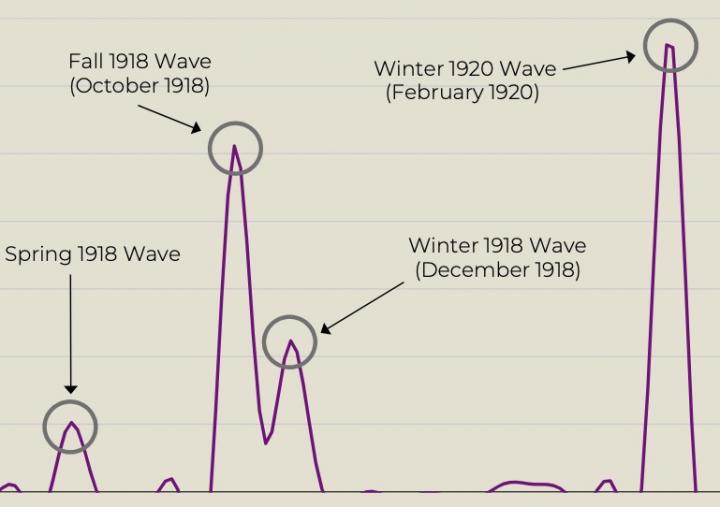
What may help save people is remembering the past rather than wishful thinking about the present. In this case, looking back at the 1918 Spanish flu pandemic which killed far more than COVID-19.
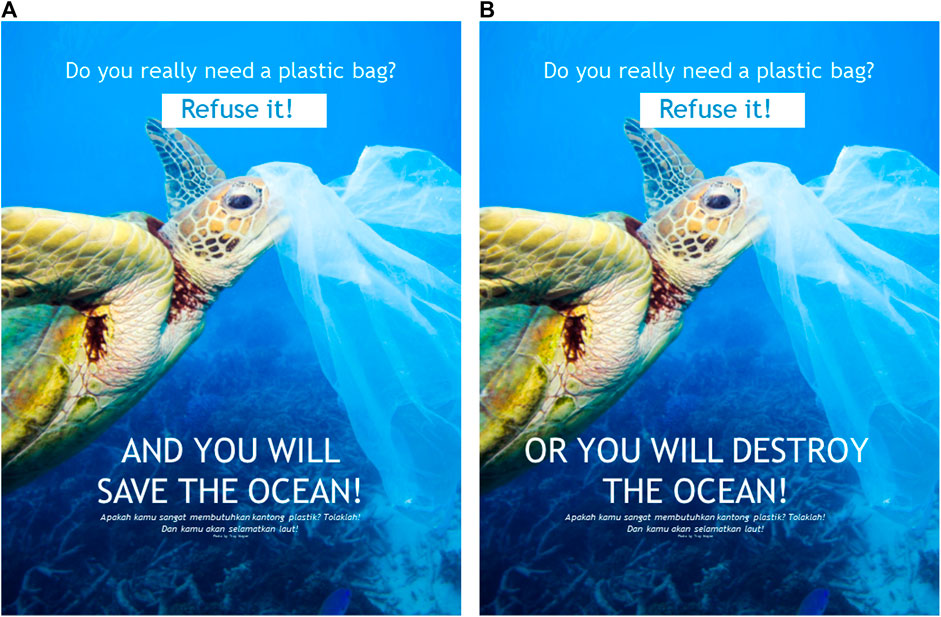
If a tourist doesn't know messing around with a coral reef is bad, they may try to touch them or pet turtles, but after being told by someone local that it has risks for the nature they are there to see they far less likely to do so.
A new paper found that such "nudges" works well. Which would mean we often don't need government 'ignore of the law is no excuse' type shaming policies to change behavior.
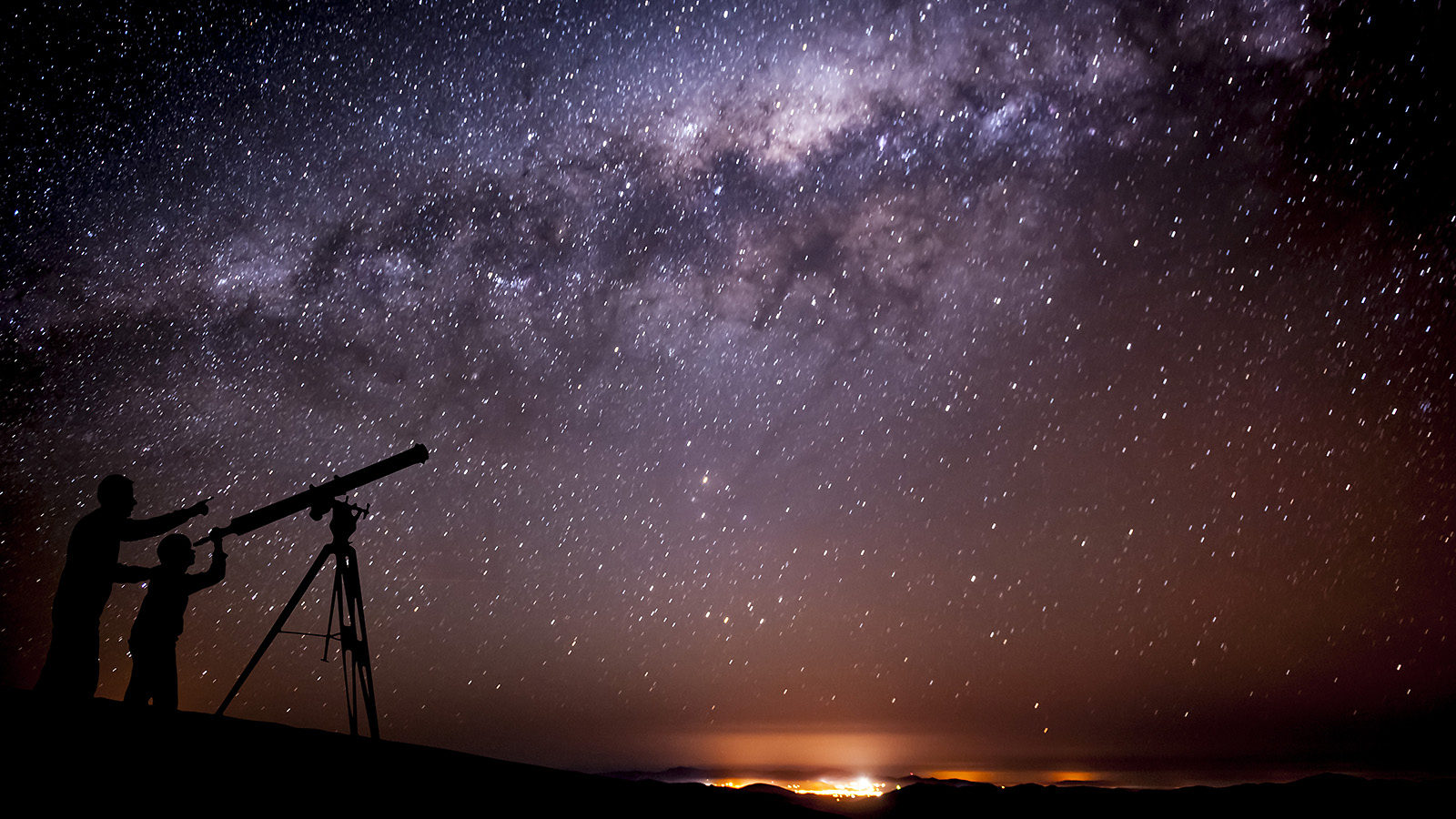
Have you ever looked up to a clear sky on a moonless night, in a place away from large cities? If you have, you will remember seeing hundreds of bright stars, and maybe even the faint collective glow of 250 billion more within the Milky Way, our own galaxy.
There are a few known risk factors for heart disease; age is the big one, and then genetics and smoking. Everything else is instead a risk factor for a risk factor for heart disease or even more circumstantial. So butter was a risk factor for cholesterol which was a risk factor for high blood pressure which was a risk factor for heart disease.
At the turn of the 20th century Carrie Nation smashed up a saloon in Kansas, gold was discovered in Alaska, and New York City's boundaries became set with the inclusion of Queens and Staten Island.
America had five new states and they had a big problem.(1)
Water.
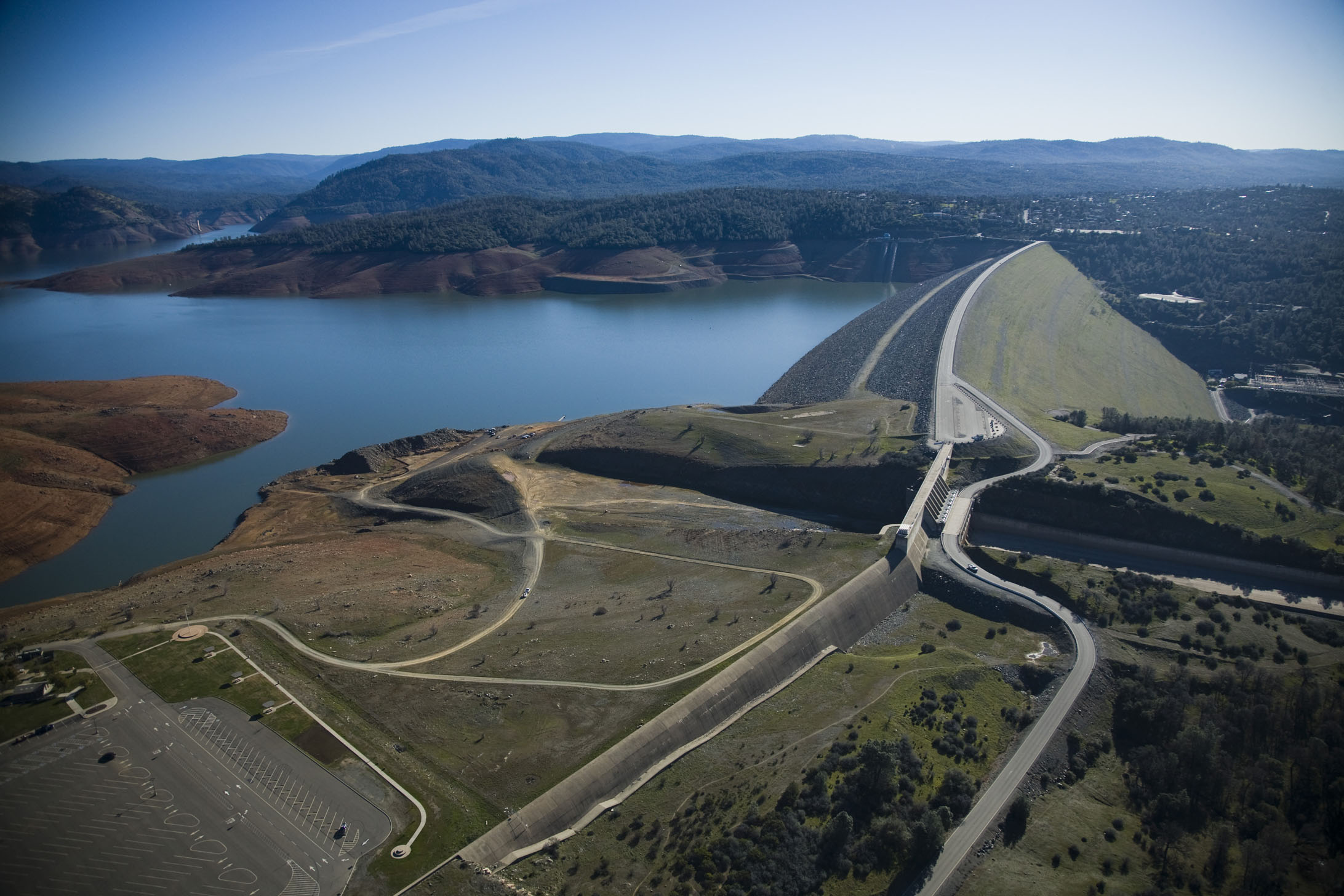
Homesteaders wanted to move out west, and government wanted to help, but there was a water issue. When rain was happening things were fine but nature is fickle. Weather was less predictable then and even if you lived near a river, there was no guarantee you'd have water.
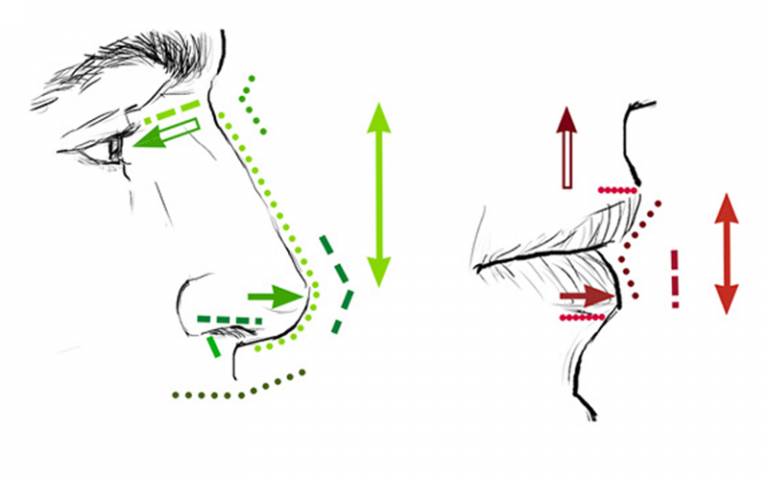
A new study has identified nine new regions that influence facial features such as nose, lip, jaw, and brow shape
The analysis of genetic data from more than 6,000 volunteers across Latin America was designed to find genes that determine the shape of a person's facial profile but also learned that one of the genes appears to have been inherited from the Denisovans, an extinct group of ancient humans who lived tens of thousands of years ago.
The Global Trends in Renewable Energy Investment 2019 report
stated that in the previous 10 years the world had spent $2.6 trillion on solar and wind power subsidies - which they framed as a good thing. Since we need to get billions off wood and dung, the largest sources of pollution, that so much money only led to 1,650 gigawatts(GW) of energy should have environmentalists concerned.
Instead of focusing on how we can get energy, and therefore water and sanitation. to the poorest, activists continue to create propaganda about natural gas and nuclear while claiming solar and wind are ready.
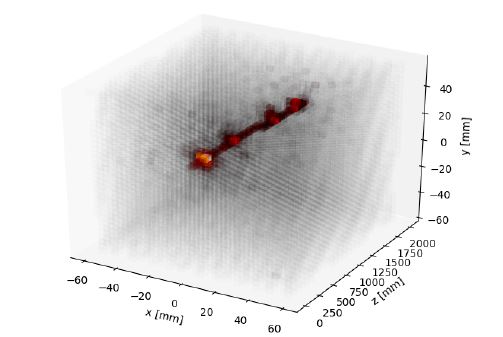
Today I wish to offer you, dear reader, the chance to contribute to scientific research in particle physics. And I claim you can do that by only leveraging basic high-school knowledge in mathematics and geometry. Let me explain what the problem is, first of all, and then I'll put you in the conditions of contributing!
Muons are subnuclear particles of high interest in collider physics. I could write about muons for ages, but it would not be of relevance for our problem of today, so let's just say they interact feebly with matter, so they traverse thick layers only depositing in them small amounts of energy (mainly in the form of electromagnetic radiation).
The Doomsday Clock, a marketing gimmick of the anti-nuclear group Bulletin of the Atomic Scientists, gets an unreal amount of attention from political allies in journalism in a way that scientists can't understand any more than how Environmental Working Group's so-called "Dirty Dozen" list of foods (that strangely exempts organic food pesticides their corporate donors sell) gets so much corporate media coverage.