


 Well, it’s that time of year again – and there it is; just four words into an article on Christmas I’ve used the word ‘time.’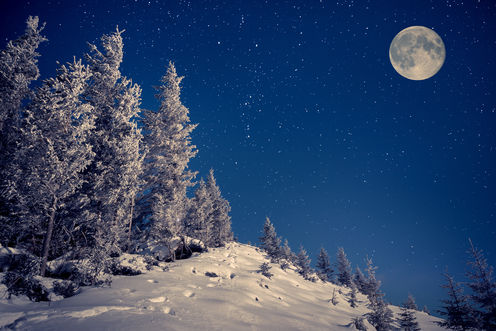
 Walk into any public square or shopping mall at this time of year and an encounter with a traditional Christmas carol is well-nigh unavoidable.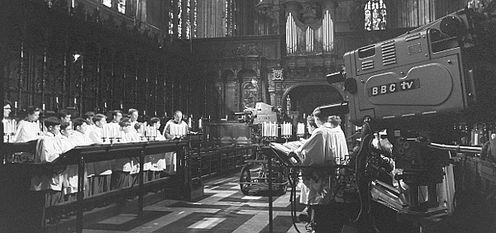
 At 3 pm on Christmas Eve, millions of radios around the world will be tuned to the Festival of Nine Lessons and Carols from King’s College Chapel in Cambridge in time to hear the pure voice of a single boy chorister singing one of the hardest solos of the church calendar, the first verse of “Once in Royal David’s City”.
 During winter it can sometimes feel that the whole day passes in the blink of an eye and that evening darkness comes far too quickly. While more daylight would be a lovely thing, the early darkness has one big advantage: the stars. On a clear evening you can look up and see far into space. I’ve spent many winter evenings with my children, on our way home from activities, looking for
Know Science And Want To Write?
Apply for a column: writing@science20.com
Donate or Buy SWAG
Please donate so science experts can write
for the public.
At Science 2.0, scientists are the journalists,
with no political bias or editorial control. We
can't do it alone so please make a difference.
We are a nonprofit science journalism
group operating under Section 501(c)(3)
of the Internal Revenue Code that's
educated over 300 million people.
You can help with a tax-deductible
donation today and 100 percent of your
gift will go toward our programs,
no salaries or offices.

- Gestational Diabetes Up 36% In The Last Decade - But Black Women Are Healthiest
- Social Media Is A Faster Source For Unemployment Data Than Government
- Object-Based Processing: Numbers Confuse How We Perceive Spaces
- A Great Year For Experiment Design
- Males Are Genetically Wired To Beg Females For Food
- Not Just The Holidays: The Hormonal Shift Of Perimenopause Could Be Causing Weight Gain
- 2025 The Year Idiocracy Was Utopia Compared To Reality
Interesting insights from outside Science 2.0


