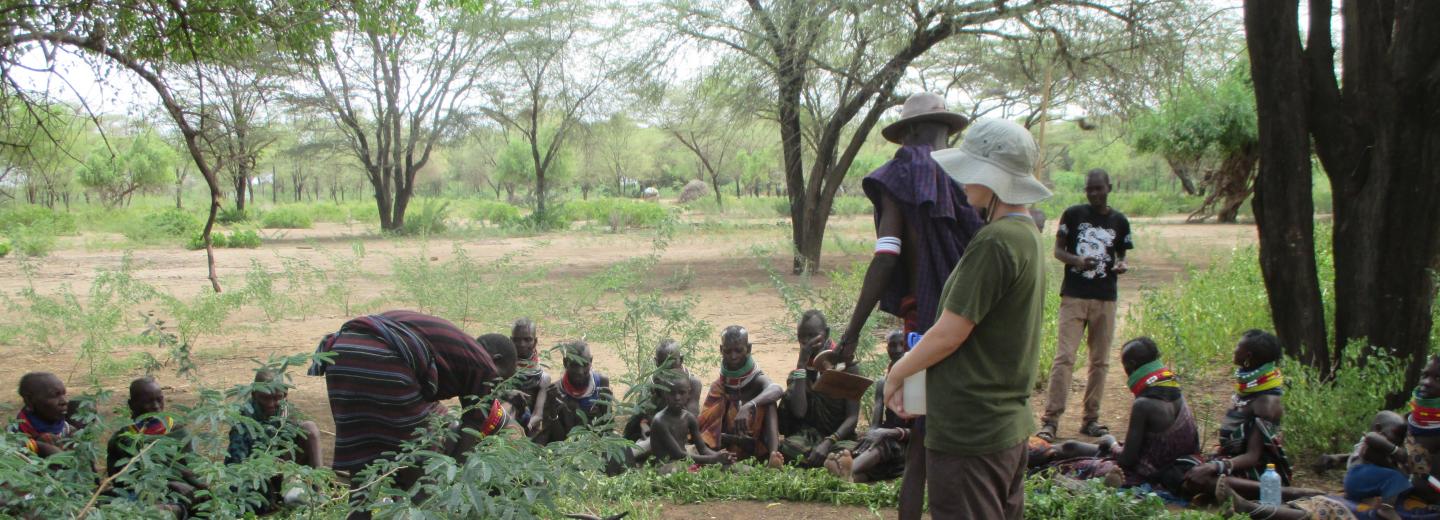
It doesn't seem like it if you watch political news but humans are unusually cooperative. We are unique in that we often cooperate with genetically unrelated strangers.
Nurses, firefighters, helping someone who dropped a package, standing in line, there is no natural selection benefit to that. In a natural selection-dominated world, the cheats, nepotists, and cronies would always win but unlike most of the animal kingdom, those behaviors are considered deviant.
Why do we cooperate? Language, intelligence, religion, the desire to hunt large game, there is no shortage of speculation about why we became Apex Cooperators.
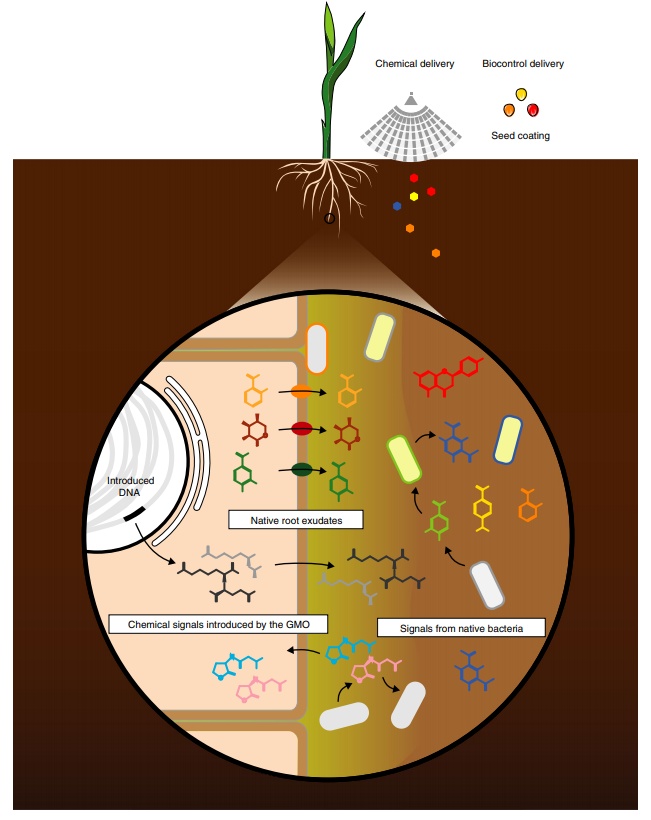
Everyone has heard of the
nutrient, nitrogen, but why
is it important to plants?
Despite flying being the single fastest way to grow our individual carbon footprint, people still want to fly. Passenger numbers even grew by 3.3% globally last year alone. The hype around “Flygskam” – a global movement championed by climate activist Greta Thunberg that encourages people to stop traveling by plane – seems to have attracted more media attention than actual followers.
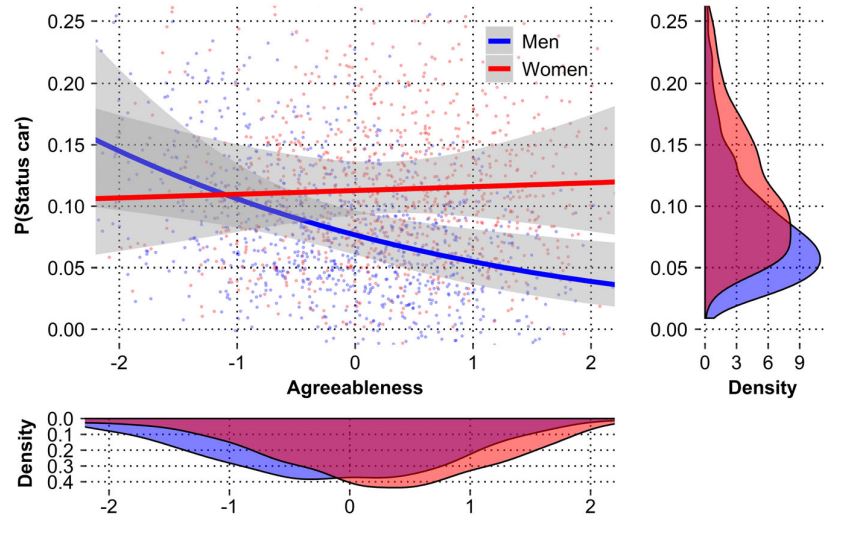
If you have never heard of the Journal of International Psychology, you are not alone.
As desert locusts ravage African crops, EU-funded NGOs maneuver in
the Kenyan parliament to leave farmers defenseless. Caught flat-footed by the emergency, the FAO struggles to purchase
enough pesticides to avert catastrophe.
Experts fear it may be too late to avert famine.
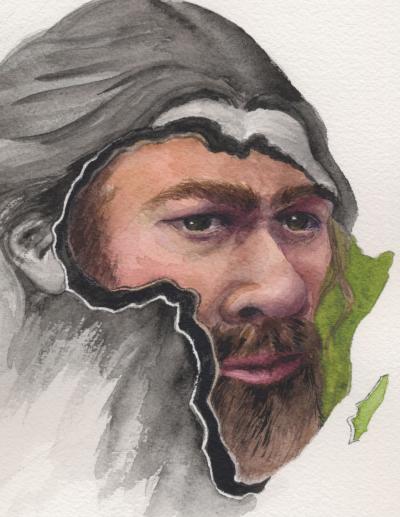
Neanderthal DNA sequences are more common in modern Africans than previously known, and different non-African populations have levels of Neanderthal ancestry surprisingly similar to each other,
according to a new study in Cell.
Researchers arrived at these findings by developing a new statistical method, called IBDmix, to identify Neanderthal sequences in the genomes of modern humans. The results also suggest that African genomes contain Neanderthal sequences in part due to back-migration of ancestors of present-day Europeans.
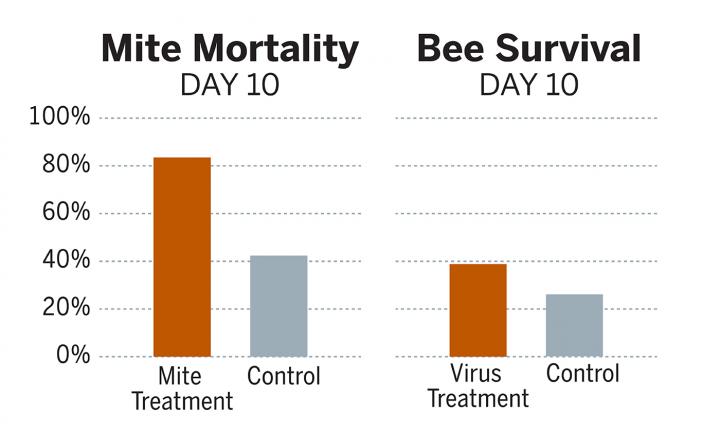
Sometimes bees die off in large groups. Since the first beekeeping recorded in history, in the 10th century, there have been documented cases where entire hives perished. Some blamed bad bee husbandry, some blamed weather, and then in recent cases some tried to blame pesticides.
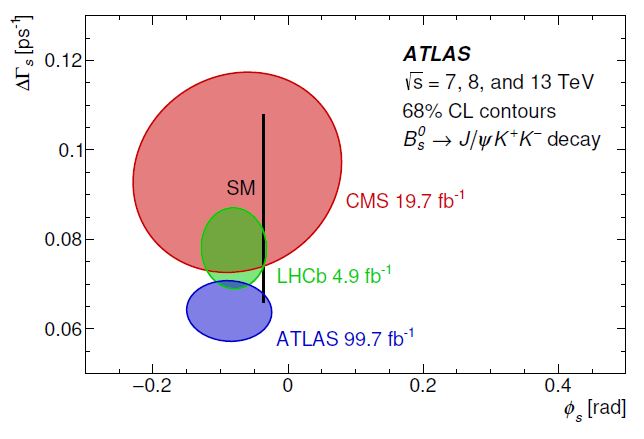
The ATLAS Collaboration has released last week the results of a careful analysis of a large dataset of proton-proton collisions acquired during Run 2 of the Large Hadron Collider. This is a measurement of CP violation effects in the system of B hadrons.
Although LHC and ATLAS are things that readers of Science20 may be acquainted with, I realize that the previous 14-word sentence contains already a mention of at least four unknown entities to 99.99% of non specialists, so I suspect I have to open a parenthesis already now.
Energy is the great equalizer in human existence.
Don't have enough water? Energy can fix that. Want to make a culture that prizes libraries, art, and education? Give people affordable energy. We can even do what ancient alchemists could not, turn lead into gold, with enough energy.
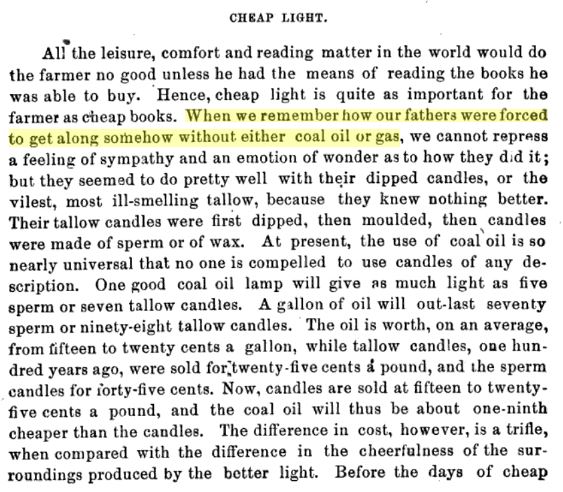
It goes almost without saying that energy made the difference when it comes to farming. In the early days of agriculture, one person might work harder than another, and they might even be prized for that, but nothing boosted productivity like when oxen came into use. No person could do the work of eight others but the ox could. Then the heavy plow raised the bar of energy efficiency again, and then the tractor.
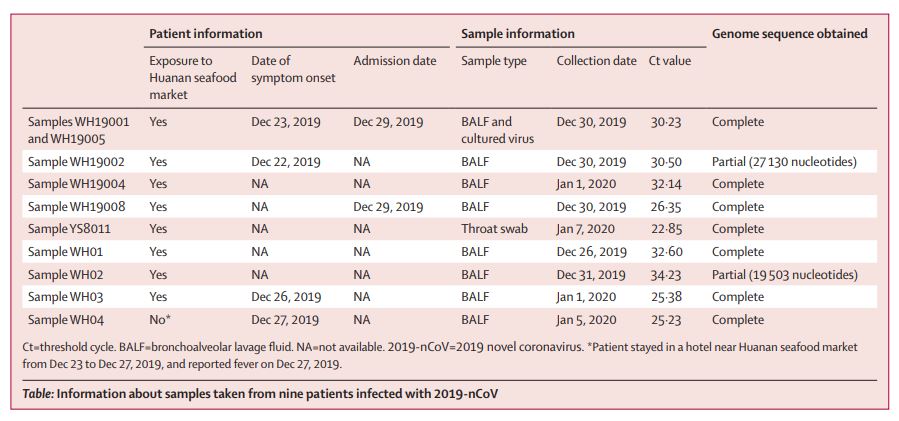
New genetic analysis of 10 genome sequences of novel coronavirus (2019-nCoV) from nine patients in Wuhan finds that the virus is most closely related to two bat-derived SARS-like coronaviruses, according to
a study published in The Lancet.
The authors say that although their analysis suggests that bats might be the original host of the virus, an animal sold at the Huanan seafood market in Wuhan might represent an intermediate host that enables the emergence of the virus in humans.