

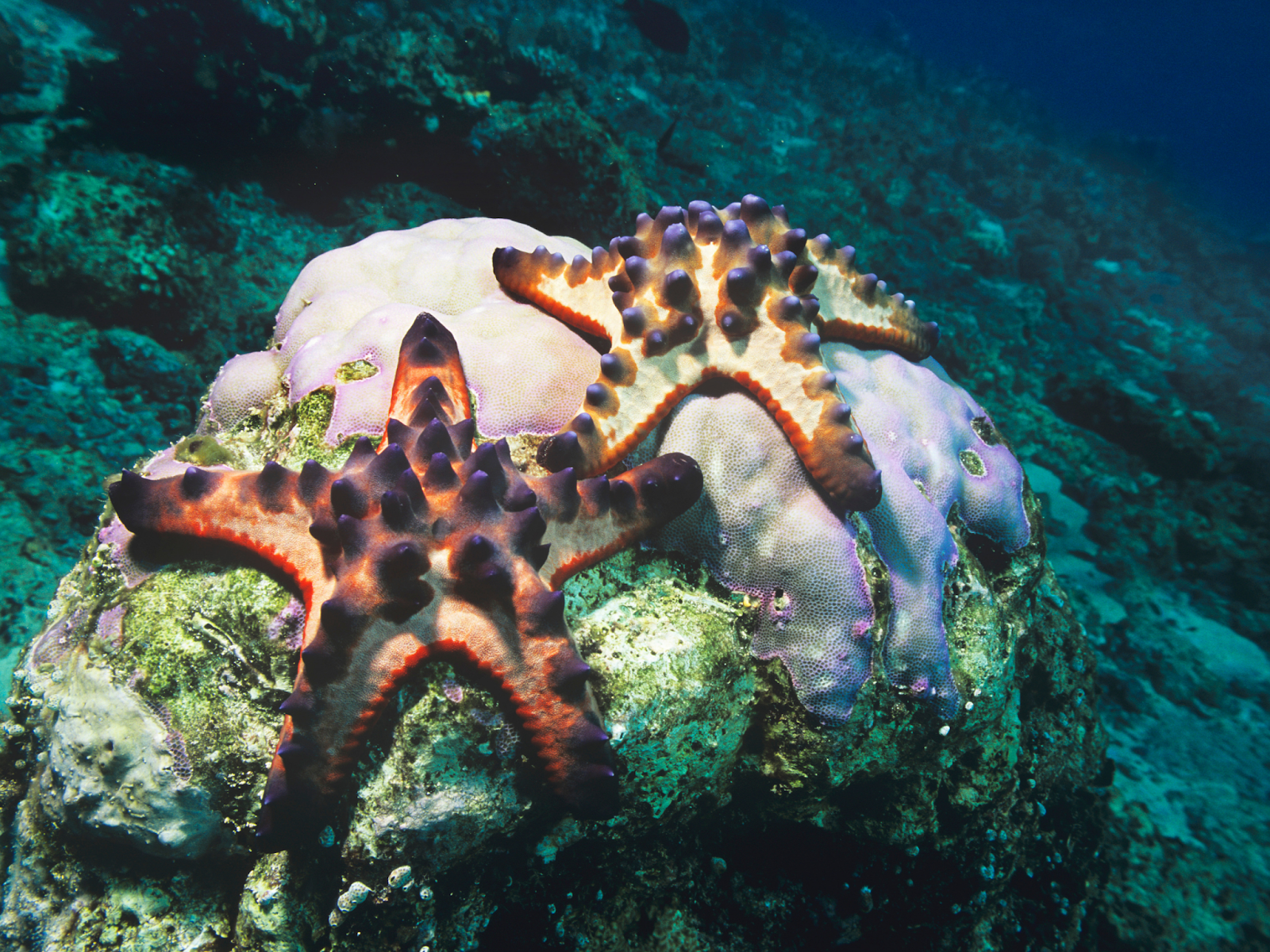




 This well-preserved partial ichthyosaur was found in the Blue Lias shales by Lewis Winchester-Ellis. The vertebrae you see are from the tail section of this marine reptile. The find includes stomach contents which tell us a little about how this particular fellow liked to dine. As with most of his brethren, he enjoyed fish and cephalopods. Lewis found fish bone and squid tentacle hooklets in his belly. Oh yes, these ancient cephies had grasping hooklets on their tentacles. I'm picturing them wiggling all ominously.


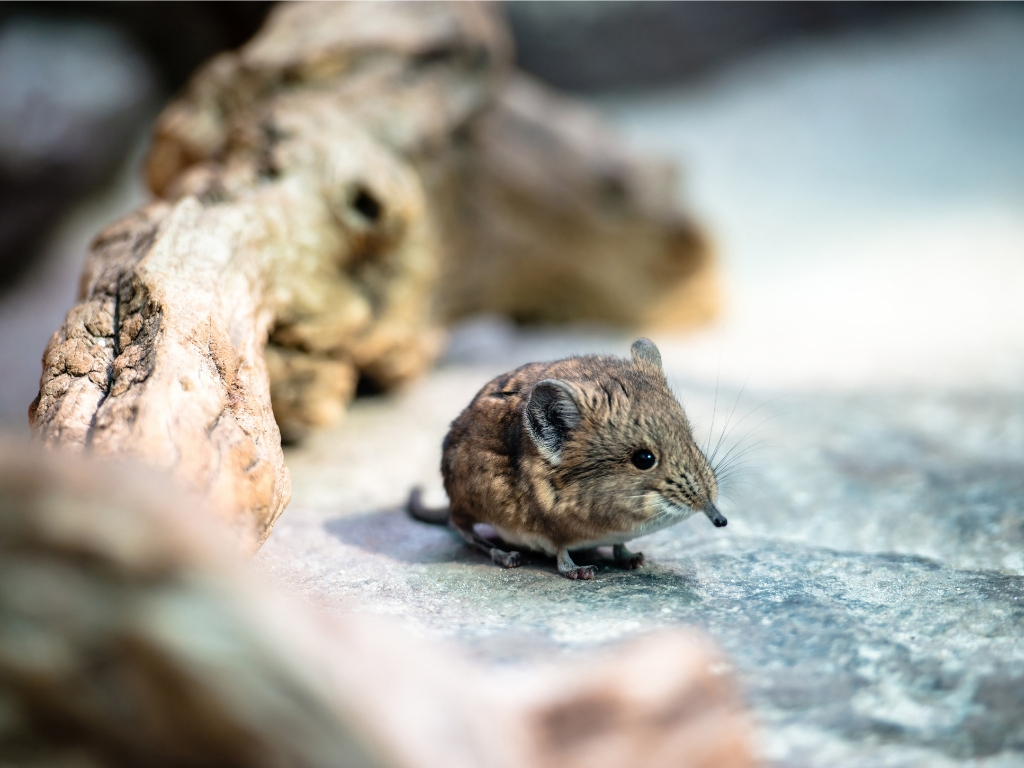 Meet one of the most adorable of all the Living Fossil species, the Elephant shrew, Macroscelides proboscideus, one of 15 species of this order. These small, quadrupedal, insectivorous mammals strongly resemble rodents or opossums with their scaly tails, elongated snouts, and rather longish legs.
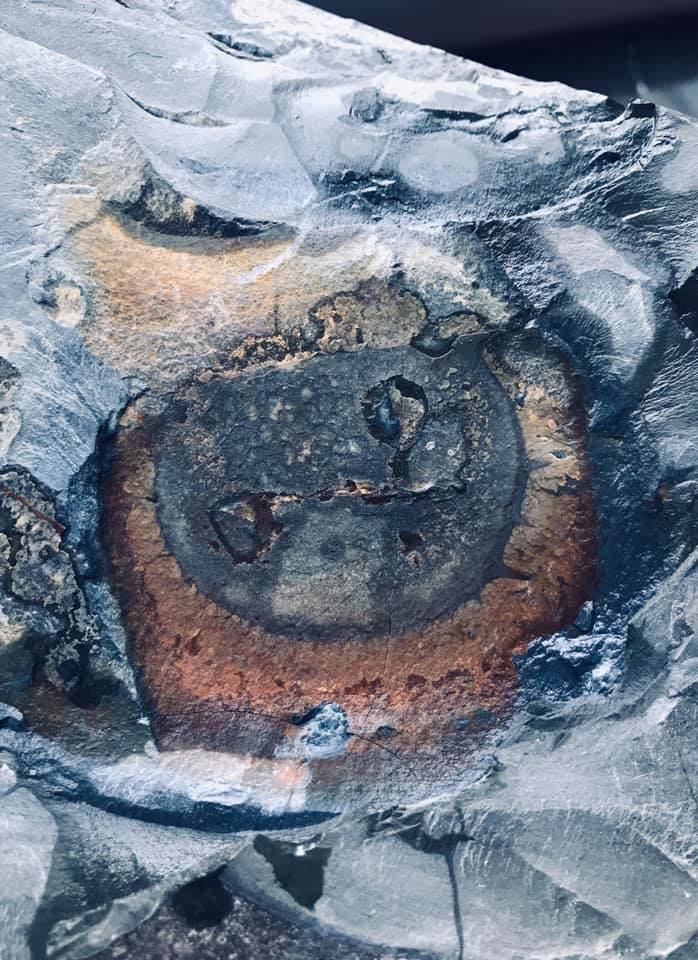

 Salmon have permeated First Nations mythology and have been prized as an important food source for thousands of years.
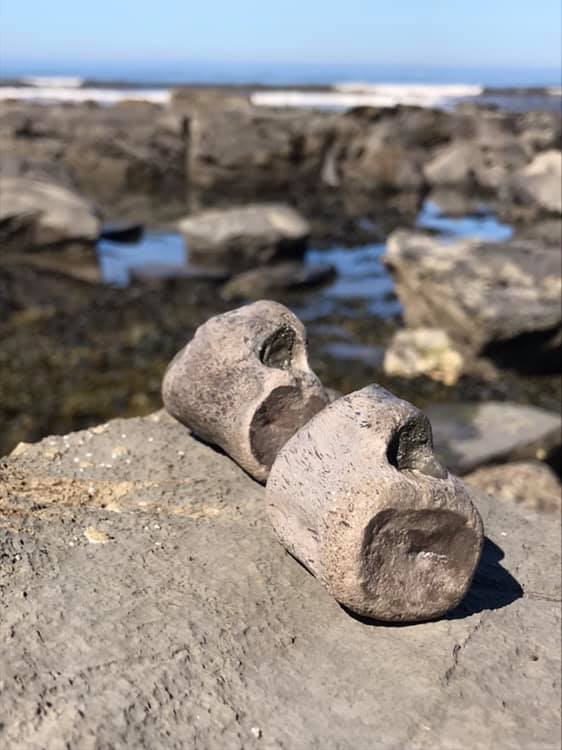
Know Science And Want To Write?
Apply for a column: writing@science20.com
Donate or Buy SWAG
Please donate so science experts can write
for the public.
At Science 2.0, scientists are the journalists,
with no political bias or editorial control. We
can't do it alone so please make a difference.
We are a nonprofit science journalism
group operating under Section 501(c)(3)
of the Internal Revenue Code that's
educated over 300 million people.
You can help with a tax-deductible
donation today and 100 percent of your
gift will go toward our programs,
no salaries or offices.

Interesting insights from outside Science 2.0
