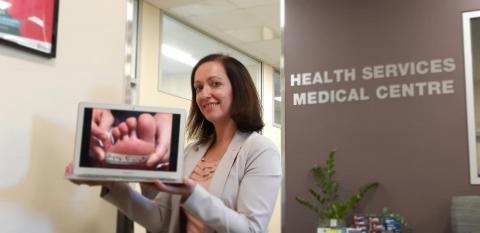
Doctors, like scientists, often aren't big on putting themselves into stories and getting selfies with patients, or even accepting pictures as part of care. But selfies are a part of modern culture, and that means they are empowering to patients, so allowing pictures from patients and parents of patients may streamline health care and also keep costs lower.
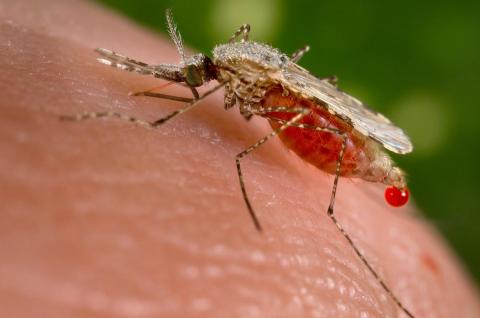
DDT and other chemicals remain the most effective way to contain malaria - by eliminating the disease vectors that spread it.
But even though the U.S. EPA has written the book for how DDT is to be sprayed inside homes, it was banned here over the objections of scientists and remains controversial for environmental groups who want to ban all chemicals.
A new method may make chemicals less necessary but it involves another area of science activists oppose; genetic engineering.
For those who used to believe that taking on massive student loan debt to pay for increased salaries for university employees that would lead to a high salary, a new reality has set in: the gig economy.
And that counts in journalism too. In the days of Walter Cronkite and Watergate, media enjoyed a great deal of trust, but as the public got more savvy about bias that trust declined and people began to seek out alternative sources. If media are going to be biased, people believed, it might as well be biased in ways they like.
Some species have thrived only because they are food sources. Cows, for example, would be endangered and likely extinct if not for human animal husbandry. The same goes for many vegetables. They would be sparse or even gone if not for our genetic intervention.
Plasma is like a lightning bolt, when it happens underwater.
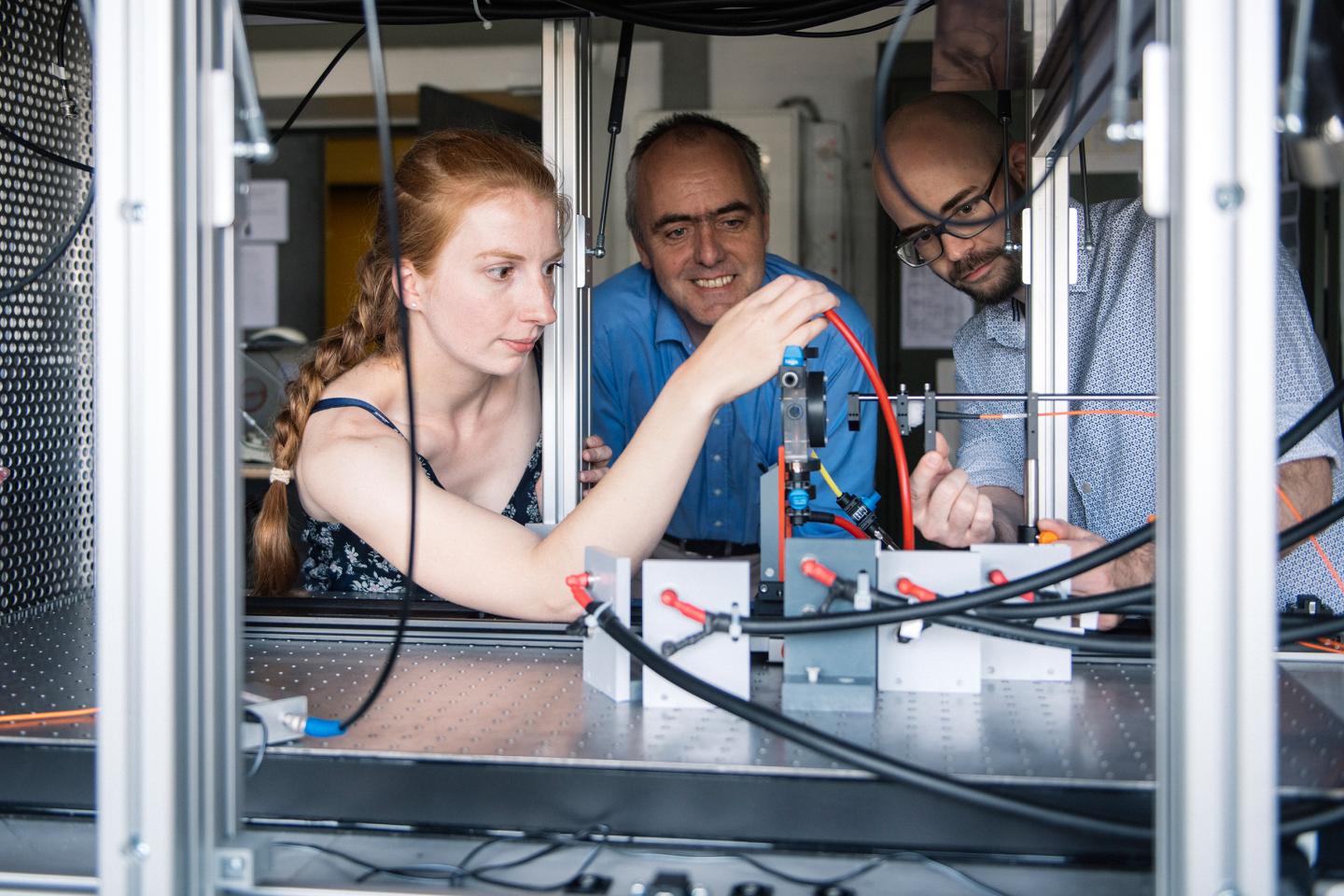
A new study explored how electrochemical cells that help recycle CO2 but whose catalytic surfaces get worn down in the process might be regenerated at the push of a button - using extreme plasmas in water. To show proof ofconcept, they deployed optical spectroscopy and modeling to analyze such underwater plasmas in detail, which exist only for a few nanoseconds, and to theoretically describe the conditions during plasma ignition.
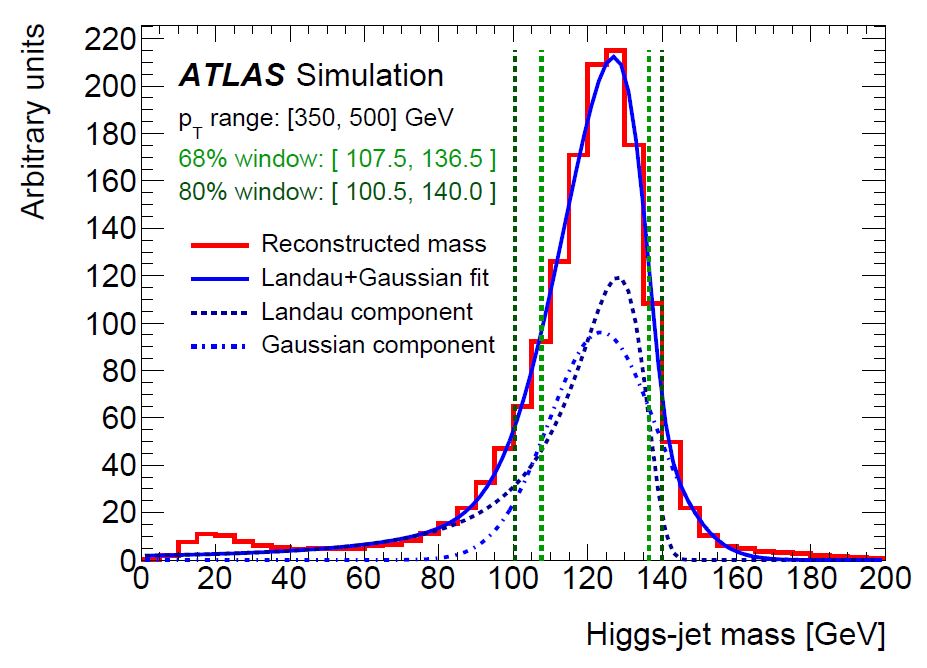
Particle physicists call "jet" the combined effect of many particles produced together when an energetic quark or gluon is kicked out of the hadron it called home, or when it is produced out of the blue by the decay of a massive particle.
The clearest example of the first process are the collisions we routinely produce at the Large Hadron Collider, where pairs of protons traveling at close to the speed of light bang into each other head-on. Protons are like bags of garbage: they contain a complex mix of quarks and gluons. So what happens in the collision is that one individual quark or gluon inside one proton hits a corresponding constituent in the other proton; the two pointlike objects scatter off each other, and get ejected out of the proton containing them.
More than 2 billion cups of coffee are consumed worldwide, which means coffee beans used in all those lattes, espressos and mochas create a livelihood for millions of people worldwide.
Yet coffee plant production remains decidedly low-tech, and gimmick labels like "organic" and "fair trade" keep developing nations growing coffee stuck in the past. That has resulted in a "biennial effect" in yields, where years with high yields are often followed by years with low yields. The biennial effect makes it challenging for coffee breeders to compare yields from different varieties of coffee. Without accurate measures of yield, breeders cannot know which varieties of coffee would be most useful for farmers to grow.
Bystander apathy is a social psychological construct where it is believed that someone who sees a victim is less likely to offer help when other people are present. They say it is proportional to the number of bystanders, the more people around not helping the less likely anyone will help.
It became a popular idea in pop culture, and therefore made its way into social psychology, after the 1964 case of Kitty Genovese, a 28-year-old woman who was raped and murdered in Queens, New York.
Throughout human history, humans have artificially selected food. The sweeter, the better. When agriculture came into being, such genetic engineering became commonplace. A banana we eat today has nothing in common with one of a few hundred years ago. At one time we couldn't consume corn at all.
That evolutionary legacy, we once didn't have confidence when our next meal might be, is still evident. Sweet foods sell well and science has made them affordable; so affordable we have the opposite of the starvation problem poor people faced in the past.
It was said there was a 'rainbow wave' of LGBTQ voters after the Trump presidency and a new survey analysis set out to find what makes them tick. To do so, authors
distilled results a nationally representative sample of U.S. adults collected by Survey Sampling International after the November 2018 polls.
They hoped to gain a deeper understanding of the political motivations of LGBTQ people and identify sexual, gender and queer identity gaps in liberalism.