





In today's Wall Street Journal my article Science Saves an Old Chestnut discusses the potential benefit of President Trump's executive order requiring USDA, FDA, and EPA to modernize when it comes to biotechnology approval. They have to consider actual risk instead of treating every product like a new invention. They don't make flowers go through tens of millions of dollars and 20 years of regulatory stonewalling, why do it for anything else? 
I am reading a fun paper today, while traveling back home. I spent the past three days at CERN to follow a workshop on machine learning, where I also presented the Anomaly Detection algorithm I have been working on in the past few weeks (and about which I blogged here and here). This evening, I needed a work assignment to make my travel time productive, so why not reading some cool new research and blog about it?
Once upon a time, epidemiologists believed bacon caused cancer, as did hot tea, a weedkiller that acts on no human biology, bread, apples, lettuce, mustard, tomatoes, and more.

That faraway time was actually last year.

You name it, and it is possible for statisticians at the International Agency for Research on Cancer (IARC) to find a chemical in it that links it to cancer. With most foods, it is also possible for other epidemiologists to link them to prevention of cancer.(1)

What did epidemiologists once deny causes cancer? The cancer history of your family - genetics. 
Some parents with a lesbian, gay or bisexual child report just as much struggle to adjust two years after the fact as they did when they first learned of their child's sexual orientation, according to a recent survey. That has nothing to do with caring for their child, most do, but it informs how to make the adjustment easier for everyone involved.
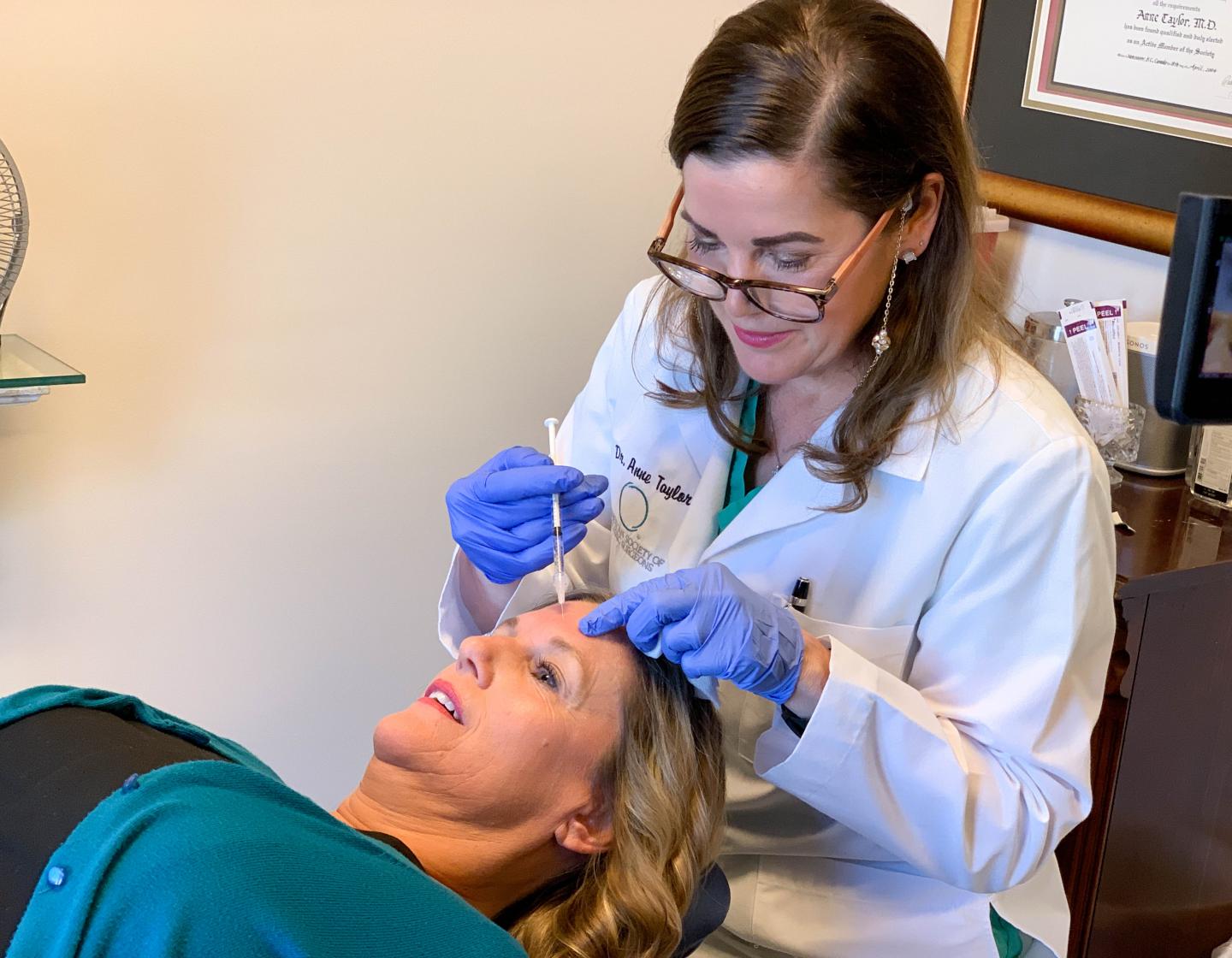
New statistics released by the American Society of Plastic Surgeons reveals that 50,000 more Americans age 55 and older got cosmetic procedures in 2018 than the previous year.

Aging gracefully is not in the cards for senior citizens with the means to change it, they now have choices, and those choices are likely spurred by the greater availability of later romances. Most common in her Ohio practice, says plastic surgeon Anne Taylor, MD; cosmetic fixes of the neck or double chin. Those are most prominent when looking down into a camera.
Understanding the Voynich Manuscript #1

Tom, Dick and Harry explain a statistical method.


The mysterious Voynich Manuscript.


A simple analysis of a sufficiently large text can reveal much about the topic of that text, if the language is known.

If the text, as in the case of the Voynich Manuscript, is written in an unknown script, then the same simple analytical method can point the way to the underlying language, or language group.
Astronomers using data from the W. M. Keck Observatory have discovered a dizzying cosmic choreography among typical star-forming galaxies; their cool halo gas appears to be in step with the galactic disks, spinning in the same direction. 

This is the first-ever direct observational evidence showing that corotating halo gas is not only possible, but common. Their findings suggest that the whirling gas halo will eventually spiral in towards the disk.
Is honey healthier than bleached white table sugar or brown sugar or high fructose corn syrup? If you ask people selling nutritional fads yes, but if you ask your mitochondria, sugar is sugar. It's the total, which means calories, that matter. in our increasingly wealthy, sedentary society.
Many people feel the need to live in important times, so they complain about how much worse things are today.

But scientists studying the ancient ruins of Çatalhöyük, in modern Turkey, found that its inhabitants - 3,500 to 8,000 people at its peak - experienced overcrowding, infectious diseases, violence and environmental problems. And that was 9,000 years ago.

Sorry readers of The Guardian, it wasn't better then. One ne of the world's first large farming communities were also among the first humans to complain about modern urban living.
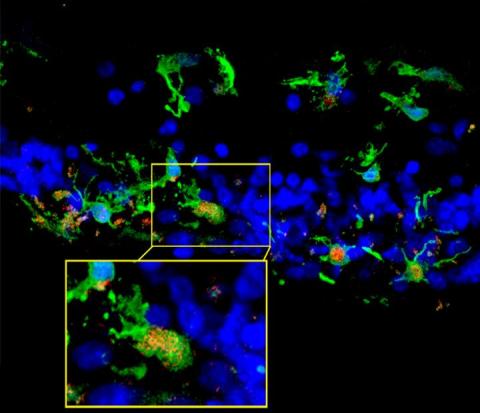
A new exploratory study in mice found that the complement system, part of the innate immune system, plays a protective role to slow retinal degeneration in retinitis pigmentosa, an inherited eye disease.

Retinitis pigmentosa is an incurable and unpreventable blinding eye disease that affects 1 in 4,000 people but if "in mice" isn't caution enough, even more is warranted. Other studies have found that the complement system worsens retinal degeneration because it mediates some aspects of inflammation and worsens damage in age-related macular degeneration (AMD), a leading cause of blindness in people age 65 years and older.


