If you read the Harry Potter series of novels or saw the films, you've known that fiction has people moving in and out of photographs - now that magic has been brought to real life.
The University of Washington algorithm Photo Wake-Up was posted in preprint form on arXiv in December and created a buzz because it can take a person from a 2D photo or a work of art and make them run, walk or jump out of the frame. The system also allows users to view the animation in three dimensions using augmented reality tools. Next week at the Conference on Computer Vision and Pattern Recognition in Long Beach, California, the researchers will be showing results.
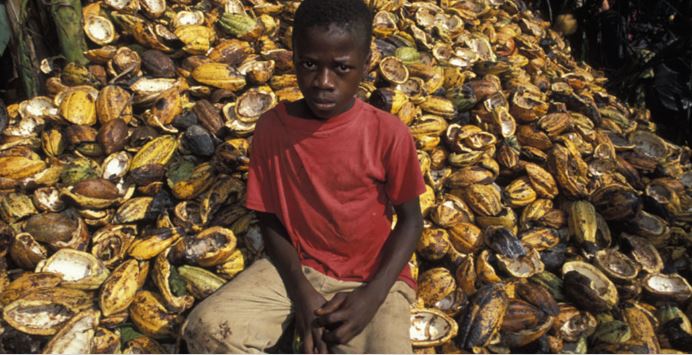
No one is for child labor but people are unfailingly for lower prices rather than higher. That is why the organic industry is a tiny fraction of the overall food market. With no benefit other than paeans to health halos or holistic beliefs about urban people about farming, most remain unconvinced.
What if it eliminated child labor? Nearly everyone would agree to that - unless they believe paying more would just lead to more profits by exploiters in developing nations.
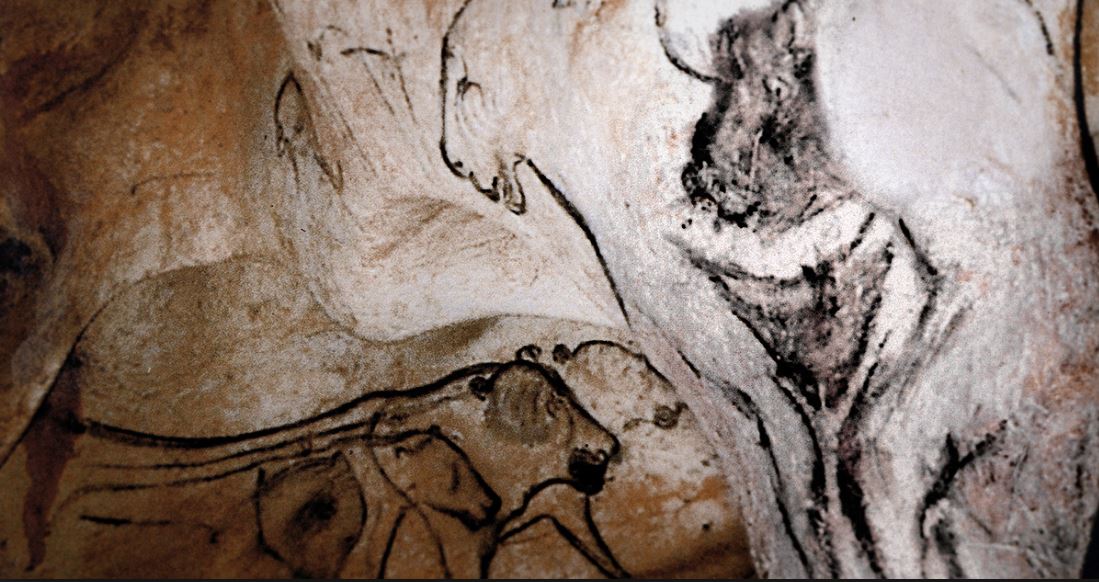
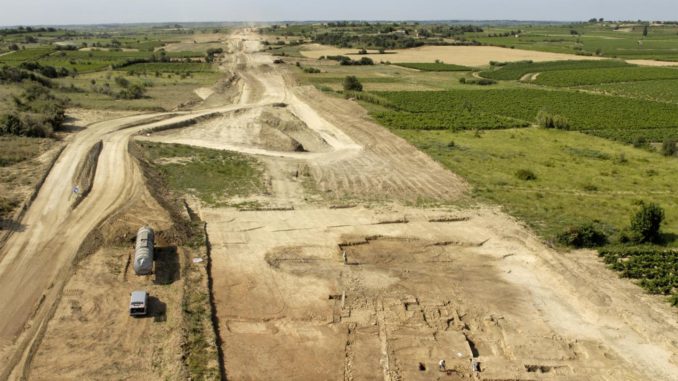
The Neolithic period, the end of the Stone Age and the beginning of civilizations, began about 12,000 years ago with the advent of agriculture in the Epipalaeolithic Near East. It spread to other parts of the world.
It provides not just the first evidence of farming,
it also provides early evidence of gender inequality. according to a paper by researchers from the Department of Prehistory and Archaeology at the University of Seville who study prehistoric societies in the Neolithic Period in the Iberian Peninsula.
I have always been fascinated by optical instruments that provide magnified views of Nature: microscopes, binoculars, telescopes. As a child I badly wanted to watch the Moon, planets, and stars, and see as much detail as I could on all possible targets; at the same time, I avidly used a toy microscope to watch the microworld. So it is not a surprise to find out I have grown up into a particle physicist - I worked hard to put myself in a vantage position from where I can study the smallest building blocks of matter with the most powerful microscope ever constructed, the Large Hadron Collider (LHC).
This article is scaring people, with the usual “all going to be extinct soon ” hype that we have had so many stories about this year. It is running in many news sources. I am not singling out the BBC as such but many people have come to rely on the BBC as a respected source on such matters so I'm taking them as an example. Similar remarks apply to most journalism in this topic area recently. In this case most of the articles were more measured, and the BBC one unusually was the most click bait of them all.
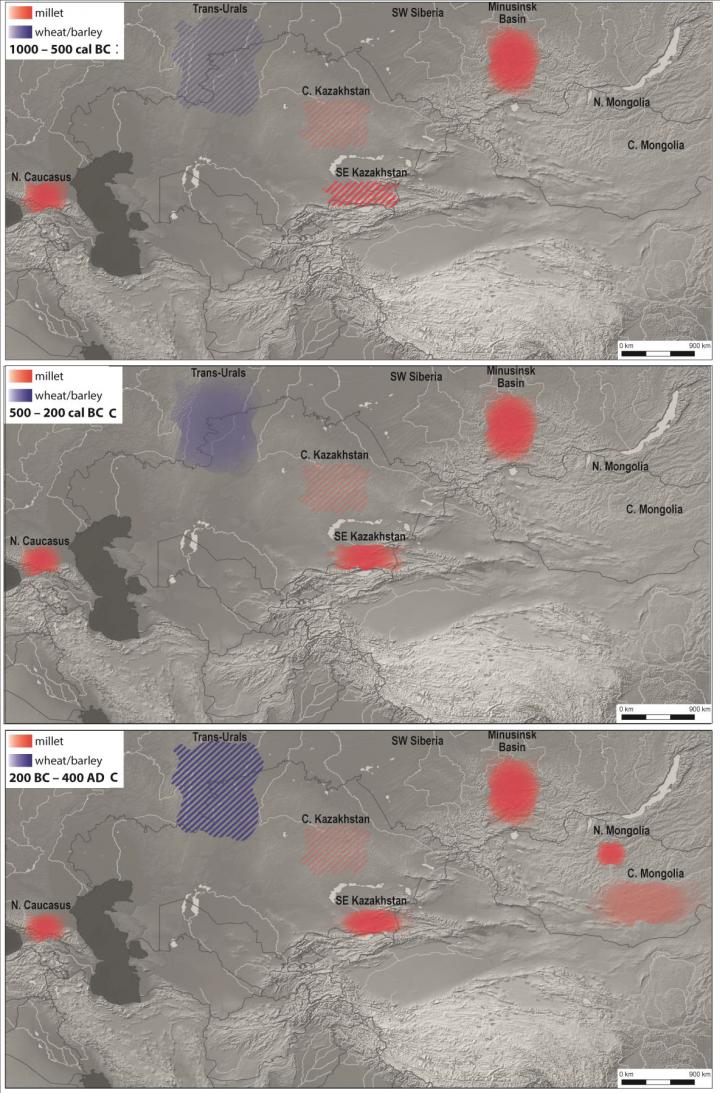
When we think of agriculture, we don't think of nomadic hunter-gatherers who simply followed nature rather than harnessing it.
But they engaged in trade also. Millet, originally domesticated in China, was likely consumed at low levels by pastoralists inhabiting the far-flung regions of Siberia and southeastern Kazakhstan, possibly as early as the late third millennium but with the expansion of trans-regional networks across the steppe, when objects and ideas were first regularly exchanged over long-distances, millet consumption began to increase.
Researchers set out to find a wine grape so popular no one wanted to change it.
And they did, thanks to
a genetic database of modern grapevines and 28 archaeological seeds from French sites dating back to the Iron Age. They discovered that Savagnin Blanc (not Sauvignon Blanc) from the Jura region of France was genetically identical to a seed excavated from a medieval site in Orléans.
That means the variety still grown now has grown for at least 900 years as cuttings from just one ancestral plant.
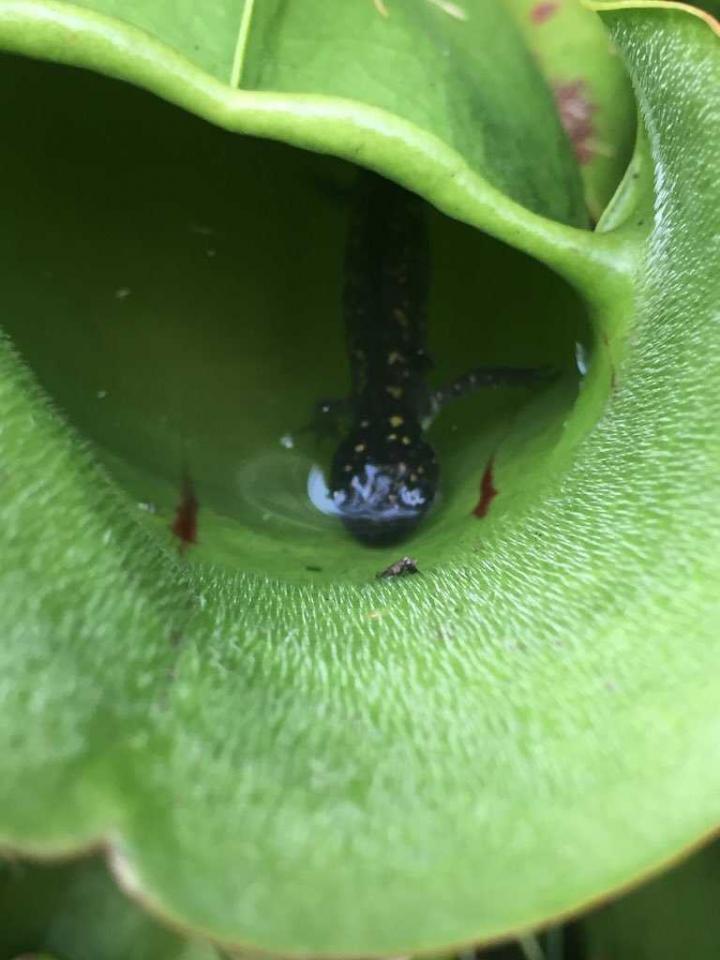
It's quite common for the circle of life to have animals eating plants in order to become bigger food for other animals and then animals die and become food for organisms in the soil but nature has flipped the script again.
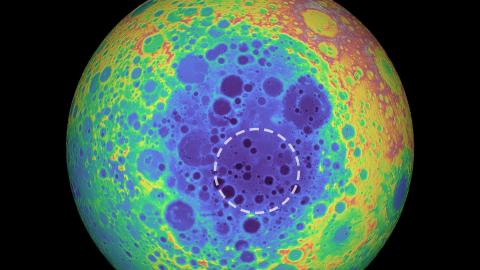
A mysterious large mass of material
has been discovered beneath the Moon's South Pole-Aitken basin, the largest crater in our solar system.
The crater, thought to have been created about 4 billion years ago, is oval-shaped and as wide as 2,000 kilometers (roughly the distance between Waco, Texas, and Washington, D.C.) and several miles deep. Despite its size, it cannot be seen from Earth because it is on the far side of the Moon.
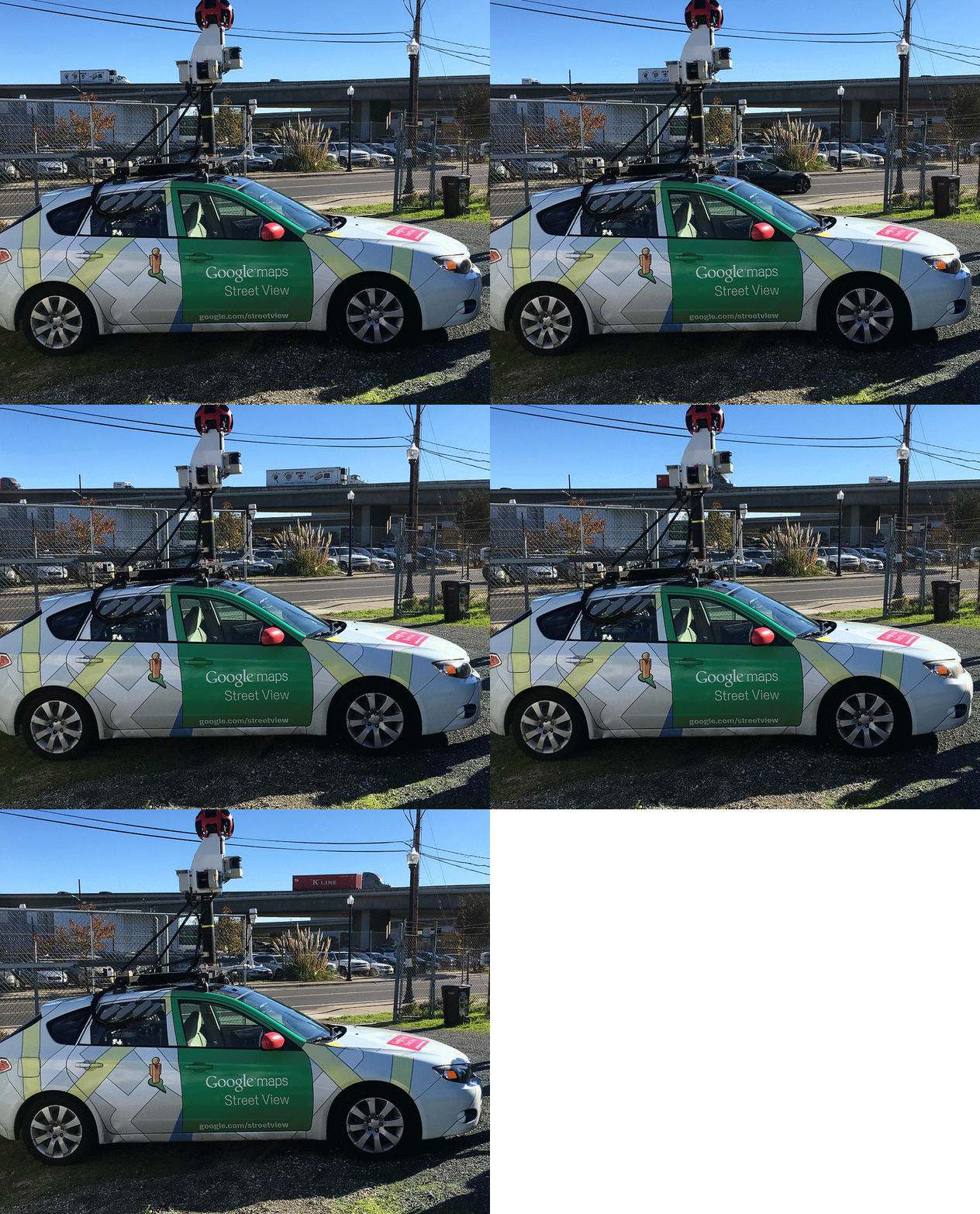
Industrial processes in the United States produce 8 gigagrams of methane emissions per year, according to experts. But Environmental Defense Fund, using a sensor on a Google street view car, is claiming otherwise
in a recent article they paid to publish in a small Berkeley-based journal (
Elementa: Science of the Anthropocene) that promotes stories about how humans are killing the planet.